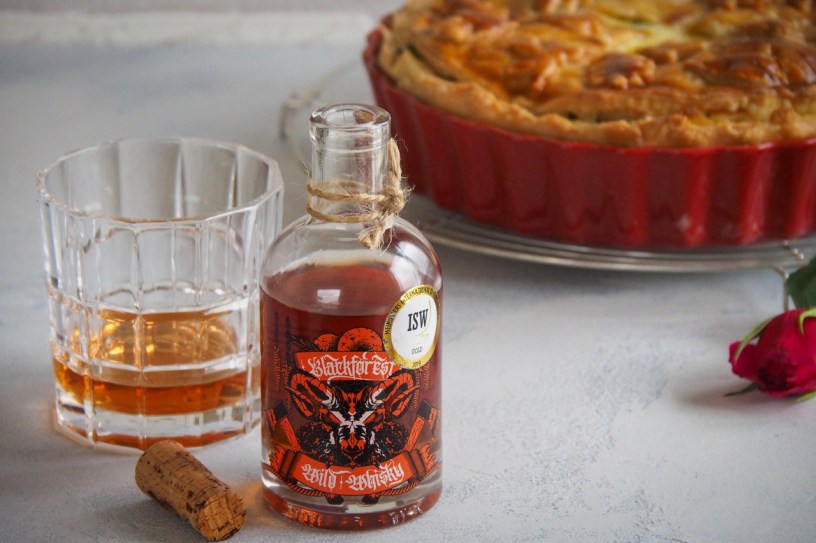
Here is your easy beginners’ guide to food and whiskey pairing
If you are planning a St. Patrick’s Day dinner featuring Irish food, there is no reason you could not pick whatever drink you prefer. In fact, there is no stopping you from opening your favourite bottle of wine.
On the other hand, there is certainly no better timing to move up your game and instead of the usual food and wine pairing you could make it a food and whiskey pairing. While whiskey (or whisky) is typically enjoyed either as an aperitif or after-dinner drink, it’s widely versatile with a range of food.
That said, just like wine there are many different types of whiskey and therefore not all whiskeys will pair equally well with different foods.
If you wonder which whiskey to choose for your St. Paddies lunch or dinner (or the other way around), read on the find an easy pairing guide for your best food and whiskey pairing experience.
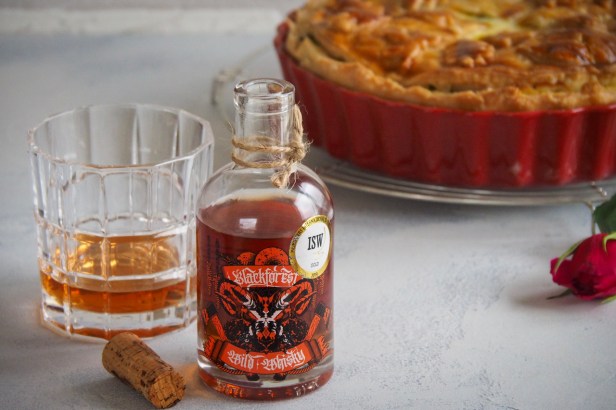
That said, bear in mind everybody has different tastes and preferences. In the end, it’s down to your own taste which whisky you prefer with a particular food. The guide below is just giving a rough guide what type of whisky and food will typically work well together. There is no stopping you to experiment with different food and whiskey pairings to find your favourite matches.
What different types of whiskey are there?
The differences in the styles of whiskey actually start with the writing. Calling (or better writing) is whiskey or whisky is not a random choice. Whether it includes an ‘e’ or not will tell you something about the origin of your dram.
Whiskey will come from Ireland and the United States.
Meanwhile, whisky hails from Scotland, Canada, and Japan.
The style of writing of course is not the only difference. The taste and flavour profile of both whiskey and whisky depends on the production method.

Before diving into the best food and whiskey pairings, let’s have a quick look at the different styles of whiskies based on the origin.
Once again, take into consideration the below is only a rough guide of flavour profiles based on the origin of the whiskey. This guide was compiled to give you a general understanding of the different styles but is by no means including all the nuances and differences that clearly exist within each of the categories.

Adding to this, the geographic list of whiskies below is by far not complete. Whiskey or whisky is basically made around the world. Though most styles will somehow follow the ones described below.
Irish Whiskey
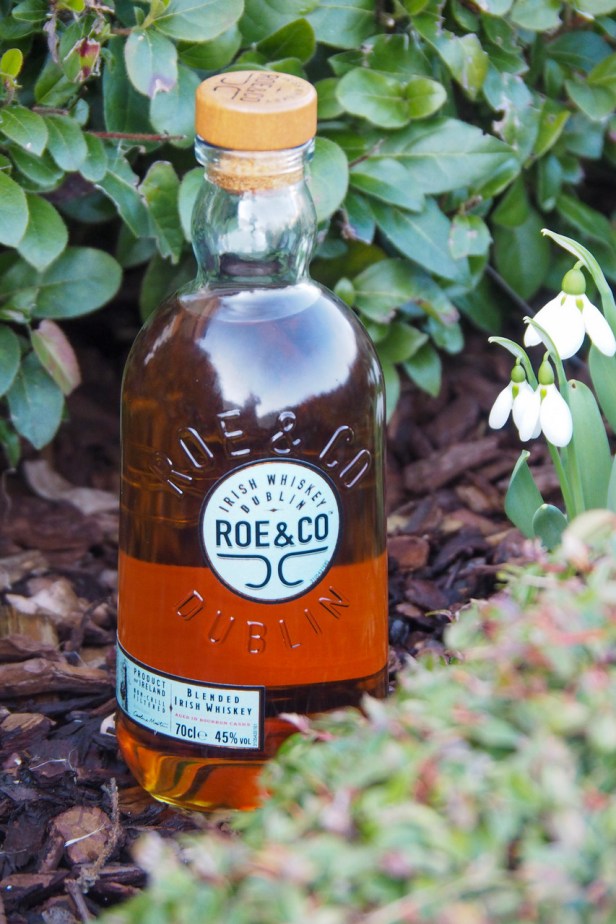
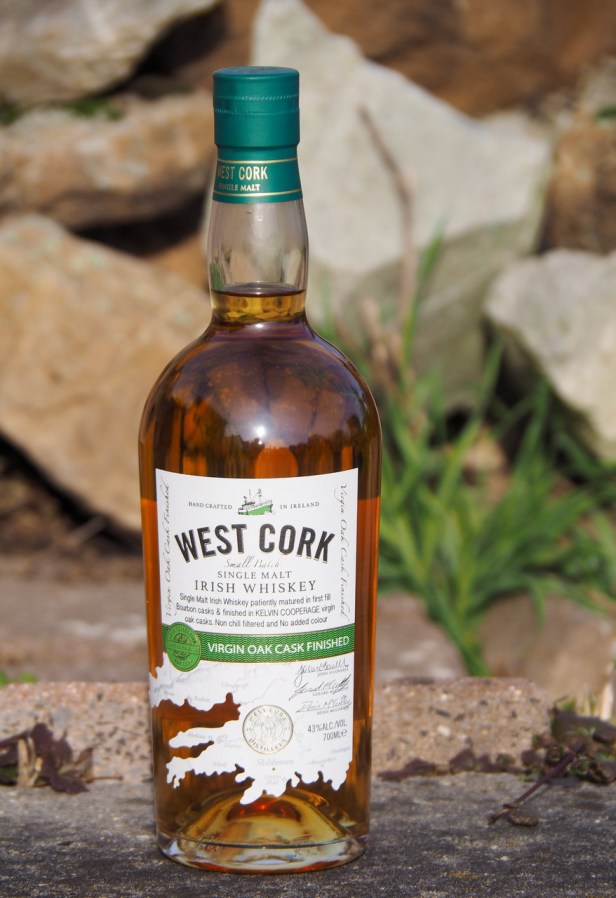
Made in Ireland, Irish whiskey is typically light and fruity with floral hints of vanilla and grainy notes. It is made from malt and aging must take place in wooden casks only, for at least three years.
Sottish Whisky
Whisky made in Scottland typically has a sharp and distinct flavour. Meanwhile, blended Scotch has a smoother edge and a spicier finish. It can be made from either malt or grain.
That said, the region where your Scotch was made will also determine different flavour profiles. Including lighter and fruitier versions.
Bourbon Whiskey
Bourbon is a type of whiskey originating form the U.S. characterised by a smooth and sweet flavour and strong notes of vanilla, caramel, and oak. It typically has a slightly spicy finish.
To be a bourbon, the whiskey must be made from at least 51% corn, must age in new oak, must be bottled at 80 proof our higher, and most importantly, must be produced in the U.S.
Rye Whiskey
Originating as well in the U.S., though also made in Ireland, rye whiskey is typically rough and spicy. It’s made from 51% rye, corn, and barley and distilled in a similar fashion as bourbon. It is a bold, full-bodied whiskey with a dry finish.
The flavour profile of rye whiskey will also vary based on the time it has been aged. The shorter the aging period, the bolder the level of spice while the vanilla and oak notes will be less developed. Longer aging rye whiskies will display a milder spice profile but more distinct notes of vanilla and oak.
Canadian Whisky
Expect whisky from Canada to be typically light and mild with a soft and sweetish flavour. Canadian whisky has a high corn content and must also be age for at least three years.
Japanese Whisky
Whisky produced in Japan is typically floral and fruity with notes of orange peel, honey, and white chocolate and a sweetish ending. Production of Japanese whiskies are produced in a similar style as Scotch.
Best food pairings with whiskey/whisky
As mentioned before, what matters most when choosing a whiskey for a particular food is down to your own taste and preferences. Therefore, take the below list of whiskey and food pairings as a rough guide but do not rule out trying any other pairings.
Lighter whiskey
Lighter whiskies with fruity and floral notes typically displaying a brighter and fresher taste are great with:
- Seafood, in particular fatty fish, salmon, grilled prawns, and crab
- Sushi/sashimi
- Charcuterie
- White meat such as grilled chicken BBQ duck, or pork belly
- Lamb with mint jelly
- Spicy foods
- Cheeses such as goat cheese, mature cheddar, blue cheese and brie-style cheeses
- Desserts such as apple pie, pear or plum tarts, a vanilla or orange flavoured creme brulée, a panna cotta with fruity toppings (except anything citrusy), and dark chocolate mousse.
Medium-bodied whiskey
- Cured meat
- Roast root vegetables
- Lamb
- Roasted pork
- Venison
- Medium-bodied cheeses such as cheddar and gouda
- Fruitcake
- Ice cream, particularly vanilla
Full- bodied whiskey
For full-bodied whiskies choose food that will stand the dominant flavour of the whiskey.
- Oysters
- Duck
- Roasted chicken
- Dry-aged beef / BBQ steak
- Meatloaf with a sweet, spicy barbeque sauce
- Blue cheese
- Dark chocolate
Sweeter whiskey
- Prawns
- Seared scallops
- Spicier foods
- Cream cheeses such as brie and camembert
Rye whisky
- Cream cheeses and gouda
- Smoked salmon
- Apple pie
- Milk chocolate
Final thoughts on food and whiskey pairing
If you have never tried to pair your whiskey with food (except for the usual drink snacks), this years’ St. Patrick’s Day dinner is the perfect occasion to get started. Or any other dinner on any other day of the year.
And don’t forget: Your favourite food and whiskey pairing will be down to your own preferences. If you prefer a pairing that does not follow the ‘rules’ that is totally fine.
 Carrots and Tigers