
Everything you need to know about cava, the traditional method sparkling wine from Spain
Are you looking for a delicious bottle of sparkling wine but don’t want to break the bank buying champagne? Then you should look out for a Spanish cava. This traditional method sparkling wine comes in a wide variety of flavour profiles, excellent quality, at prices well below that of champagne.
What is Spanish Cava?
Cava is a sparkling wine from Spain produced in the traditional method, which means second fermentation is taking place in the bottle. Thus, the production process is the same as for champagne although cava follows its own production rules.
Inspired by a visit to France, the first Cava was made in 1872 at Can Cordonu winery by Joseph Raventós. Back then, it was indeed called Spanish champagne but worries about legal issues with protection of origin rights let to the renaming to cava in 1970. The name refers to the underground wineries where sparkling wine is traditionally produced in Spain, called cava (cave).
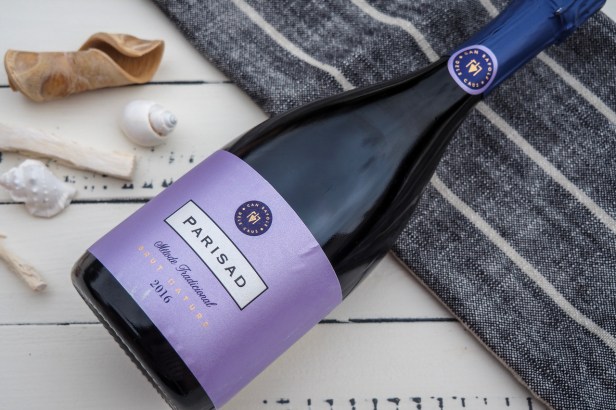
In 1986, the DO (Designation of Origin) Cava was implemented. Different to other denominations of origin which typically limit production to a certain area/region, cava can be made across various wine regions in Spain. Nevertheless, the majority (around 95%) is produced in the Penedès region, around 40 kilometres west of Barcelona. That said, recently some other regions have started to put their name on the map, making excellent cava locally. Notably, Rioja, Navarra, and Valencia.
Cava can be either white or rosé, though the majority is white.
How is Cava made?
All cava must be produced according to the strict DO Cava rules implemented in 1986.
Cava falls under the ‘traditional method’ sparkling wines, meaning it is made from a fermented still base wine, then yeast and sugar will be added, and the wine is bottled and sealed. This sets in place a second fermentation that takes place in the bottle.
The wine must mature on the yeast for a minimum of nine months, cannot be sold prior to one year after the grape harvest, and must have an alcohol content between 10.8 and 12.8 percent.
Typically, cava will be made from a blend of different grape varieties. Usually, each grape variety will be fermented separately which allows the winemaker to use different fermentation techniques for each of the grapes. Though this is no requirement.
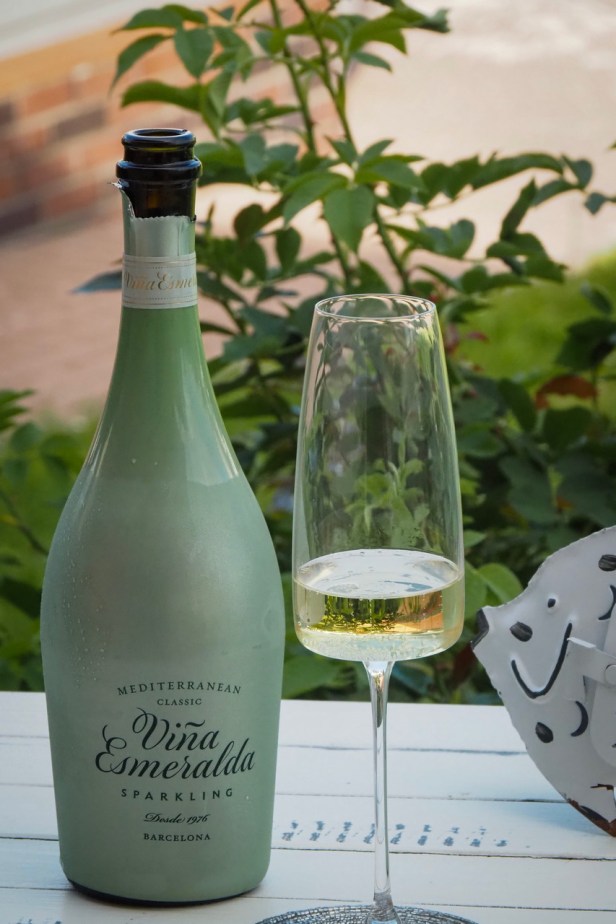
While cava can only be made from grape varieties allowed under appellation rules, these rules do not require to use a particular percentage of the various varieties. Which again allows the winemaker to create their very own blend, adding to the wide range of different flavour profiles of cava.
What grape varieties are allowed in Cava?
Cava is predominantly made from three indigenous grape varieties: Macabeu, Parellada, and Xarel-lo, all of which are white. Additional grapes allowed in Cava production are Chardonnay, Pinot Noir, Garnacha, and Monastrell, albeit only in small quantities.
What different styles of Cava are there?
Cava can be distinguished by the length of aging on the lees (determining the quality category) and the level of residual sugar.
Regarding the classification, four different styles of cava exist:
- Cava: Requires a minimum of 9 months aging in the bottle. The youngest version of cava is typically light and fruity with lots of bubbles.
- Cava Reserva: Aged for a minimum of 18 months in the bottle. It is typically rich and fresh, with balanced bubbles.
- Cava Gran Reserva: Must be aged in the bottle for more than 30 months, it is typically complex with intense aroma.
- Cava from a qualified site: This special type of cava must be aged in the bottle for a minimum of 36 months.
Meanwhile, considering the residual sugar, Cava can range from very dry (brut nature) to sweet.
What is the typical taste profile of Cava?
Short answer: it’s delicious.
But let’s go into a little bit more detail.
Typically, cava has a light to medium body, and is usually dry. It has very fine bubbles and a delicate mousse.
Cava can be described as delicate, with rich and complex flavours and aromas. Characteristic of cava are rich nutty brioche notes, subtle zesty and fruit flavours of citrus, apple, and peach, a distinct minerality and fine bubbles.
When cava is aged on the lees over a longer period it often develops notes of baked apple and a distinct nuttiness.
Food pairing: What food is best with cava?
As the saying goes, what grows together goes together. In other words, the food traditionally eaten in a wine region usually works best with these wines.
So, when looking for the best food to pair with Cava, you look at tapas, right? These little bite sized snacks are a popular appetizer across Spain, originally invented to be enjoyed together with a glass of wine or sherry before dinner.
That said, Cava is hugely versatile and works with a wide range of food.
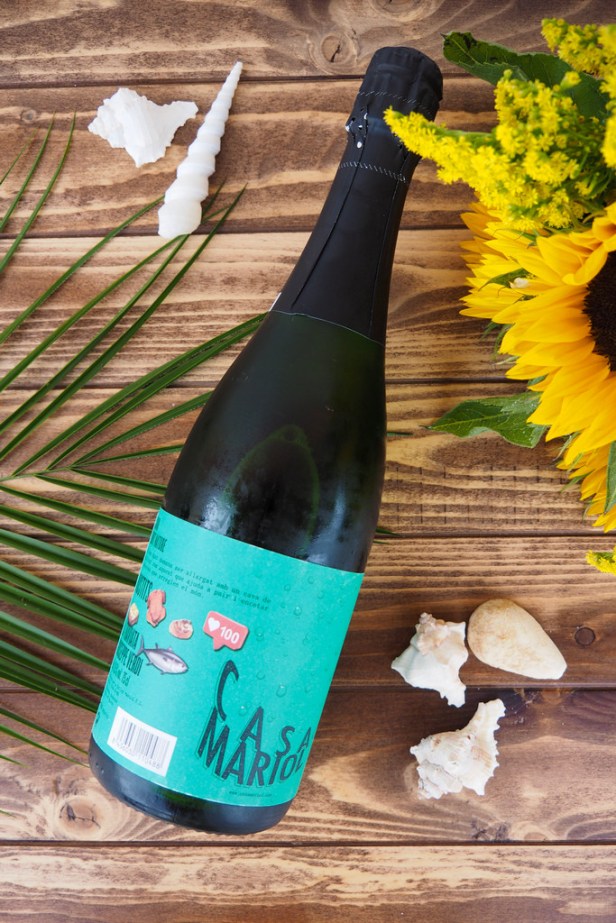
Racy acidity and fine bubbles make it a perfect palate cleanser. Thus, a perfect pairing would be charcuterie (certainly including the delicious Iberico ham) and cheese. It also works wonderful with barbecue-style food, Asian and Mexican food, pasta, fried fish, smoked salmon and sushi.
How much will a good cava cost you?
Despite its labour-intensive production and thus high quality, a good cava (those scoring 90 or more points) typically retails from around € 20. Only few will get close to € 50, though you can expect those that do to be exceptional.
There are bottles that will cost you even less, and while still made according to the traditional method, I recommend ignoring any cava costing less than € 10. These will be the cavas made in large quantities at lower quality.
Final thoughts about Spanish cava
To be honest, today there is no shortage of excellent, high-quality sparkling wines made according to the ‘traditional method’ around the world. If you need proof, read my post Traditional Method Sparkling Wines Beyond Champagne.
That said, avoiding the cheaper bottles, cava is without doubt one of the best sparkling wines in the world. And perhaps the one closest to champagne. At the same time, it’s hugely versatile and a wine to drink at any time of the day and for any occasion.
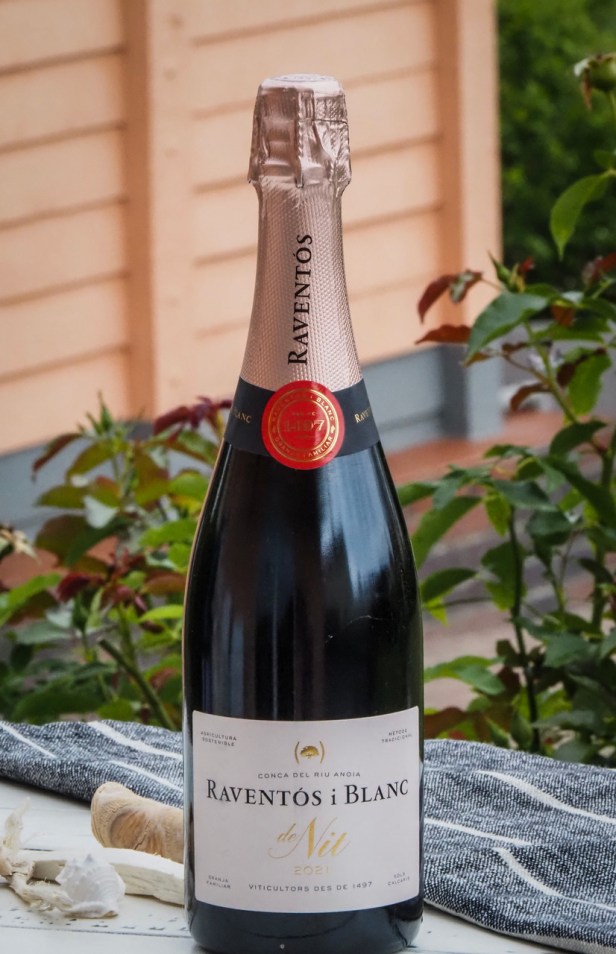
If you are still unfamiliar with cava, it’s time to get your glasses out and start exploring.
 Carrots and Tigers