
All you need to know to understand Blanc de Blanc champagne and sparkling wine
Blanc de Blanc is a term you will most likely see on a bottle of champagne or traditional method sparkling wines, which are made in the same way as champagne. However, other sparkling wines can also use the name as it is not restricted to a specific appellation. It simply refers to the grape varieties used to make this type of wines, which are exclusively white.
That might sound a bit puzzling, as you would expect sparkling wines to be make from white grapes (unless we are talking rosé sparkling wines, but that is another story). However, as usual in winemaking, it’s more complicated.

Let’s stick with champagne to explain what I mean. Which is quite appropriate, because Blanc de Blanc originally comes from the Champagne region in France.
By appellation rules, seven grape varieties are allowed to make champagne. However, most champagne is made from a blend of three main grape varieties: Chardonnay (white) and the two red varieties Pinot Noir and Petit Meunier. The reason the final product is a white champagne is down to the production process. The red (or rather blue/black) grapes are very carefully pressed to avoid extraction of colour from the skins. Without this skin contact, the grape juice, which is usually clear (or slightly green or greyish) even when the grape is red, will not take on a pink or red colour.
On the other hand, there are champagnes made blending Chardonnay with other allowed varieties and some are made purely from Chardonnay. To distinguish champagne made only from Chardonnay, the term Blanc de Blanc was created.
Interesting point to note, in case a sparkling wine is made with more than only one white grape varietal it is no longer a Blanc de Blanc but a Blanc de Blancs. See the difference?
Technically, all sparkling wines made with only white grape varieties are Blanc de Blanc or Blanc de Blancs, even when this is not specifically mentioned on the label. Take prosecco for example. It is made from the white Glera grape and therefore technically a Blanc de Blanc. However, the term will usually not appear on a prosecco label. The same is true for Spanish cava, which is predominantly made from the three white grape varieties Macabeu, Parellada, and Xarel-Lo (while Chardonnay, Pinot Noir, Garnacha and Monastrell are also allowed according to appellation rules albeit in smaller quantities). Yet, it is not very common that the term Blanc de Blanc will be put on the label. That said, given the popularity of the style, recently some cava wineries now call some of their cavas Blanc de Blanc.
Elsewhere in the world, Blanc de Blanc sparkling wines are made in places such as Germany, the UK, the U.S., South Africa, and Australia.
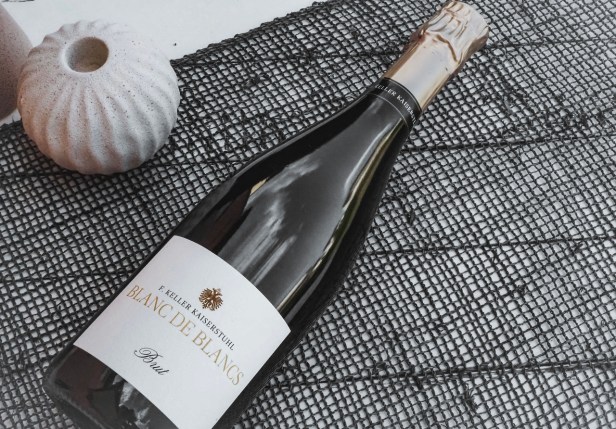
In Germany, where traditional method Winzersekt has gone from strength to strength over recent years, nearly all wineries making this type of sparkling wine will also have their own Blanc de Blanc (or Blanc de Blancs). Many are made from Riesling grapes, but White Burgundy, Sauvignon Blanc, and Pinot Gris are also commonly used.
What makes Blanc de Blanc stand out from other champagne and sparkling wines?
Blanc de Blanc champagne and sparkling wines are made from only one grape variety. In the case of champagne usually Chardonnay while traditional method sparkling wines from other parts of the world can be made using other locally leading white grape varieties.
Working with only one grape variety means, the winemaker is restricted to a smaller source of grapes, for example grapes from a particular vineyard / growing area. Which has a significant impact on aromas and acidity levels.
Blanc de Blanc are considered particularly puristic and elegant, reflecting terroir and soil in a very unique way.
What is the typical taste profile of a Blanc de Blanc champagne and sparkling wine?
Most obviously, Blanc de Blanc and Blanc de Blancs sparkling wines offer significantly distinguished taste profiles, if you compare them with champagne and sparkling wines made not exclusively from white grape varieties.
That said, since a Blanc de Blanc can be made anywhere in the world, a wide range of different styles exists. You can find Blanc de Blanc ranging from light to full bodied with complex flavour profiles. What all have in common is that most tend to be on the drier side, and therefore usually fall into the Brut, Extra Brut, or Brut Nature categories.

Blanc de Blanc champagne is usually crisp and bright, with aromas fresh fruit such as green apples, pears, white flowers, and citrus notes, and usually higher acidity compared to other sparkling wines. Which makes it a fantastic match with seafood.
Those Blanc de Blanc from other parts of the world can have slightly different taste profiles while they will still tend to be crisp and refreshing. However, those made from different white grape varieties than Chardonnay often tend to have more subtle flavour profiles.
What food pairs best with Blanc de Blanc
Like champagne and sparkling wine in general, Blanc de Blanc are hugely versatile with food. From all sorts of appetizers to seafood, fish, sushi, sashimi, pasta, poultry, and soft cheeses, you can’t go wrong with a Blanc de Blanc.
 Carrots and Tigers