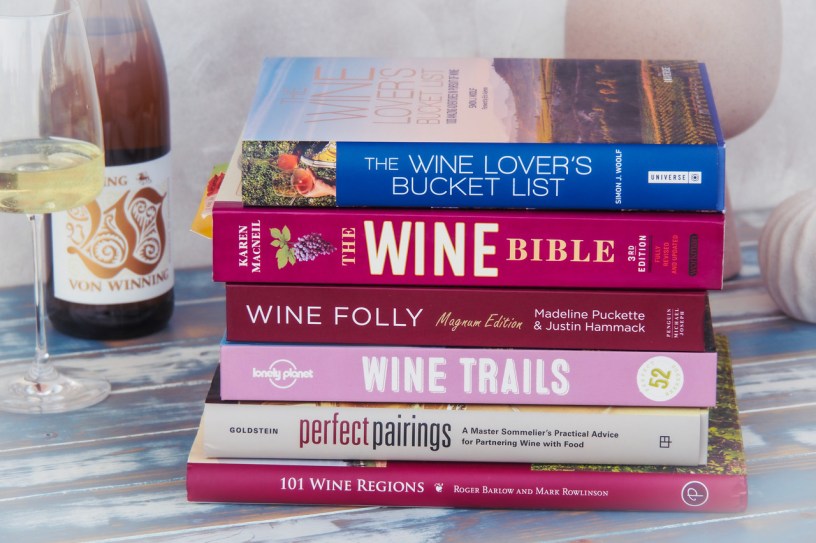
The top wine books you should read before planning a trip to a wine region
Wine travel, thus visiting a region where the wine is made, is one of the most exciting and rewarding travel adventures.
As someone who has visited quite a few of the most exciting wine regions around the world, let me give you a crucial advice, however. While you can have a nice time visiting a wine region without much planning, it’s almost guaranteed that you will miss out on some of a wine region’s most exciting or unique experiences if you come unprepared. To say it with the words of my mother (though I am sure she’s borrowed it from someone else): If you don’t know something exists, you will never going to experience it. Which is certainly true for all types of travel, but even more so when wine regions are involved.
Wine regions around the world are hugely diverse, and this not only concerns different landscapes, climates, and soil, and thus different wines. Globally, wine regions are at very different stages in wine tourism. While guests are usually welcome anywhere, only few wine regions around the world have mastered wine tourism like Napa Valley. Not all, and indeed only few, wine regions will allow you to walk into almost any of the local wineries, offering a dedicated tasting room open on regular hours 7-days a week, and a huge number of local restaurants and hotels catering to wine experiences. Elsewhere, you will likely have to make arrangements in advance to visit a winery, attend winery dinners, and other activities around wine and local food.
So where to start if you are planning to visit a wine region?
Sure, you could simply google a wine region. No doubt, that would bring up some of the leading local wineries, perhaps tell you when local wine festivals will take place, and get you a list of local restaurants and hotels. But if you want to be on the safe side, and make the best of your wine trip, I recommend starting to read about wine and wine regions ahead of your visit.
Though no worries. You don’t need to become a wine expert before you can have a great time visiting a wine region. In fact, far from it. Even as a total wine novice, visiting a wine region can turn out to be the most fun trip of your live. However, as said before, my own experience visiting wine regions around the world has thought me one thing. If you want to turn your visit into an unforgettable experience, don’t come unprepared.
Below, I’ve rounded up my favourite wine books when it comes to planning a wine trip. Some are actual travel guides to wine regions, while others are written as a guide to wine regions and their leading wines albeit purely from a wine knowledge point of view. Still, all of them are easy and fun to read wine books, and together are the perfect starting point when planning to visit a wine region.
That said, there is something to keep in mind when purchasing these or other wine books: In the world of wine, there is only one constant, and that is change. And right now, we are in a particularly dynamic period when it comes to changes in wine styles and wine regions around the world. Therefore, be careful when consulting a wine book older than two or three years. While it likely will still be hugely useful, not all the provided information might still be relevant/up to date.
The Wine Bible
Believe it or not, but the first edition of Karen MacNeil’s Wine Bible (published in 2001) was the first wine book I purchased in my life. By chance, on the whim, at the souvenir shop of Thomas Jefferson’s Monticello estate, during a Virginia road trip fourteen years ago! A trip that was by no means intended to be a wine trip, and in fact was not, though Virginia is home to some intriguing wineries. But that, I learned only later.
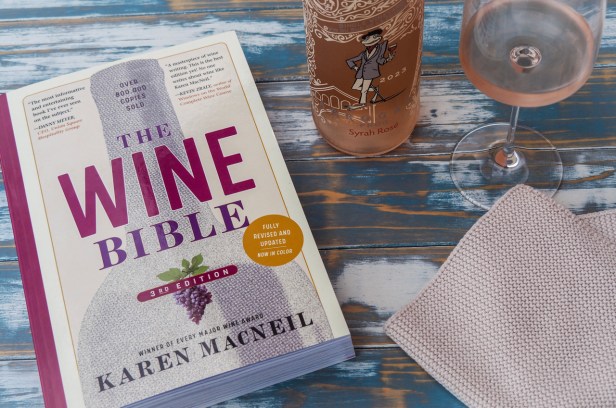
Back to the Wine Bible, though. Ever since digging through this nearly 800-page guide to the world of wine, the book became a constant go-to when planning a wine trip. To be honest, it is probably even one of the reasons I got hooked on wine travel.
Why the book is great for wine travel: It’s no surprise to me the Wine Bible became one of the top five best-selling wine books ever. Starting off with a quick introduction into the process of wine making, grape varieties and how to taste wine, the book provides tons of information on wine regions around the world, the types of wine you will find there, listing some of the leading wineries, along with a roundup of the typical local food.
While the Wine Bible is not specifically addressing wine travel, it is a fantastic guide to all things wine in the world. And perhaps the most comprehensive wine guide covering nearly all wine regions globally, though the lesser known still emerging ones, or those that are unlikely to go beyond the threshold of a certain quality and amount of winemaking (at least for the time being) will only get mentioned as a side note. But that’s fine for the purpose of travelling, as wine experiences for visitors will be limited if not unavailable in these regions anyway.
Yet if planning a trip to say Italy’s Piedmont, or wonder which are the wine regions of Austria, New Zealand, or South Africa, then the Wine Bible will provide you with a great general introduction to the wider areas, the leading grape varieties, some of the wines to look out for, and possibly point you to some of the local foods you should not miss trying.
Wine Folly
Teaching you everything about the world of wine, Wine Folly is all about learning about wine. So why should you consider it a guide for wine travel?
Why the book is great for wine travel: Travelling to a wine region means to taste the local wines, and pair them with local food. Wine Folly will teach you the essential facts to know about wine regions around the world, and the wines to look out for in these regions. However, above all, this book will help you tons to feel comfortable tasting and buying wine whether you are a beginner or expert, in an environment (a wine region) where you will meet a ton of people knowledgeable about wine by default. Yet, the Wine Folly is not your usual book about wine. You won’t find long texts about the art of winemaking, soil types, micro-climates and similar. This book is about teaching you visually, using maps and easy diagrams to do the explaining.
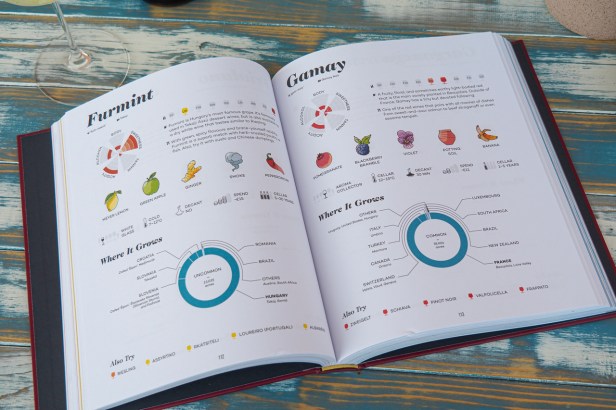
Planning a trip to one of the major or most historic wine regions globally? Then Wine Folly will provide you with a quick introduction to the main grape varieties and the region’s most outstanding wines to explore, along with some of the other important facts such as to understand the wine labels of a particular region.
Though you could use the book in an entirely different way. Ever thought to approach wine travel through the lens of your favourite wines? Say, you like Chardonnay. Perfect. Look up the Chardonnay section on Wine Folly and find out where in the world it is cultivated. Now you can go ahead and plan a visit to one (or more) of these regions and tasting the different local styles of your favourite wine.
Perfect Pairings / Daring Pairings
I’ve said it before. You don’t need to be a wine expert to enjoy vising wine regions. And I mean it. So why would I recommend learning about food and wine pairing to prepare for a wine trip? Because, visiting a wine region is as much about the wine that is made there locally, as it is about the traditional dishes of that region. And while these dishes will naturally complement the local wines, not all local dishes will match perfectly with all the different wines made locally.
Why the books are great for wine travel: While written as a guide to food and wine pairing, Even Goldstein’s Perfect Pairings and Daring Pairings are so much more. Both books are a revelation about flavour, texture, and taste. Easy to read, they not only act as guides to match wine with food. Each book provides valuable context on the discussed grape varieties and the wine regions where they are grown, along with easy recipes for each type of grape varietay.
Having been published in 2006 and 2010 respectively, the books have been around for a while. Thus, wine recommendations need to be taken with caution (while the latest release of any particular wine could still be a good match). But the general understanding what type of wine works well with what certain types of food, ingredients and preparation methods is tremendously helpful when you are looking for the best wine and food experiences. The second book (Daring Pairings) addresses a wider range of lesser-known grape varieties, including those becoming increasingly popular today such as Albarina, Grüner Veltliner, and Tempranillo. Getting a grip of these wines, you will invariably be attracted to learn more about the regions where they are grown. Thus, the book is a great start when looking for inspiration which wine regions to explore.
101 Wine Regions
Published in 2011, some of the information will be outdated. Yet the main attributes required to make outstanding wine – soil and climate –remain in place, even though climate change is already making a mark on some wine regions.
Why the book is great for wine travel: While looking at wine regions purely from a point of wine knowledge, 101 Wine Regions highlights wine regions providing excellent potential to produce distinct, high-quality wines. Including lesser-known regions with great winemaking potential or specific wines worth learning more about. With so many excellent wine regions around the world, it can be daunting to decide where to start. So particularly when you are still new to wine travel, this book will be a great starting point.
Lonely Planet Wine Tails
This book is full of wonderful wine weekend travel tips. A total of 52 of them precisely. Across the most acclaimed but also including some lesser-known wine regions in the world, from Australia to the U.S. (keeping in the chronological order of the book).
Why the book is great for wine travel: Wine Trails is clearly written for the wine-interested traveller. There is no teaching about wine here. It’s all about amazing experiences in wine country. As highlighted in the introduction ‘tasting wine in the place it was made can be a revelation’. No arguing here. And the book will single out some of the most intriguing places where you can do just that: taste wine in the place it was made, based on outstanding wine adventures, including where to stay, where to eat, and what to do beyond wine tasting. It also lists some of the leading wine events in each chosen destination.
While the book is picking out only a handful of wineries and wine adventures to attend in each of the destinations – after all it’s intended to be a weekend travel guide – it is the perfect starting point to find intriguing wine destinations. And there is no one stopping you to stay longer than just a weekend.
By the way, in addition to the global Lonely Planet Wine Trails edition, there are dedicated guides to wine trails in Europe, USA & Canada, and Australia & New Zealand, each including additional wine regions in each of these locations.
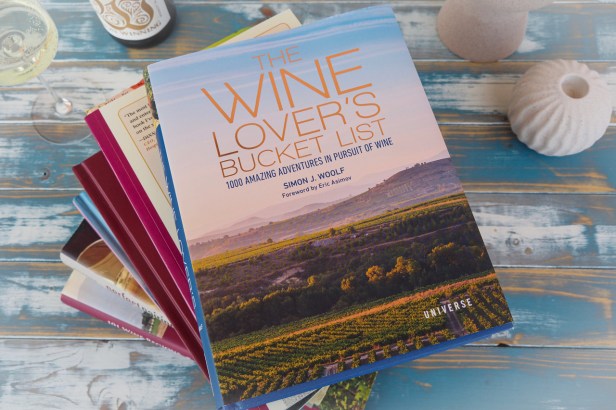
The Wine Lover’s Bucket List
Let me be honest. It’s taken me a while to appreciate the book. Why? Well, read on.
Why the book is great for wine travel: The Wine Lover’s Bucket List picks out some of the most outstanding or quirky activities around wine in some of the world’s most exciting wine regions.
Think of activities like a personal Champagne tour, drive Tuscany’s most famous wine route, get to know Pedro Ximénez, or perhaps dine with a vineyard view.
There are 1,000 of such wine adventures highlighted in the book. While the information around each of these single adventures is limited to just about a few sentences, and no general introduction to wine regions, types of wines and local wineries is given, the short glimpses into local wine activities are nonetheless valuable ideas what wine country can offer. Around wine and beyond. Most of the activities describes, while in the book taking place in a particular destination, can be easily copied into many other wine regions as well.
The Wine Lover’s Bucket List in my view is a book to consult in two ways: Alongside more detailed guides on wine regions, once you have put together your shortlist of regions to visit, as it lists fun and quicky wine adventures that will add extra fun. Or as a source of enjoyable, quirky, and not-to-be-missed wine adventures around the world that might trigger your interest for a particular wine region in the first place.
Do you have a favourite wine book? Which one? Let me know in the comments below.
 Carrots and Tigers