
Have you ever wondered why some white wines are called Blanc de Noir?
Blanc de Noir, translated literally black to white, describes a white wine made from black grape varieties. Or more precisely, red or blue grapes as there are no black grapes.
At first, this might sound strange. How can a red grape produce white wines? And why would a winemaker bother to use red grapes to make white wines when plenty of white grape varieties exist to make white wines?
How Blanc de Noir wines are made
So, how can one make white wines from red grapes?
The answer might surprise you, but Blanc de Noir are made just like other wines. Grapes are destemmed, pressed and fermented. However, there is one very important difference, which has a lot to do with the nature of grapes themselves.
Grapes will be any nuance of green or red, but the only part taking on the colour is their skin. However, regardless of the skin colour nearly all grapes produce clear juice (there are very few exceptions here red grapes will also produce darker juice).
To make the wine red, the juice will be left in contact with the skins and stems for a certain time. While skins and stems will be removed when making white wines. Including skins and stems from green (white) grapes.
The same is done when making white wines from red grapes. Skins and stems will be quickly removed after the grapes pressed to avoid that the grape juice will take on colour. Thus, the final wine will be a white wine.
That said, even when pressing the grapes very gently and removing the dark skin quickly, it is not possible to avoid at least a minimum of skin contact. The next time you go and buy a Blanc de Noir, look closely, and maybe put the bottle next to a white wine made from white grape varieties. You will notice a slight difference. Blanc de Noir, even so they look white a first glance will offer a more reddish-golden colour shade while white wines from white grapes typically display a slightly greenish hue.
Blanc de Noir or Blanc de Noirs. Is there a difference?
So, white wine made from red grapes are Blanc de Noir wines.
But you might have seen bottles that use the term Bland de Noirs (with an ‘s’ at the end) on the label. What is the difference?
Blanc de Noir wines are made using one red grape variety. While Blanc de Noirs are made from more than one red grape variety. Thus, the latter are blends while Blanc de Noir are single varietal wines.
How do Blanc de Noir wines taste?
Now that you know how Blanc de Noir(s) are made, you will likely ask yourself:
Why would a winemaker bother to use red grapes to make a white wine?
Certainly, there are enough white grape varieties to make white wines.
Well, the answer is quite obvious. White wines made from red grape varieties offer an exciting mix of lightness and the more intense aromas typical of red wines.
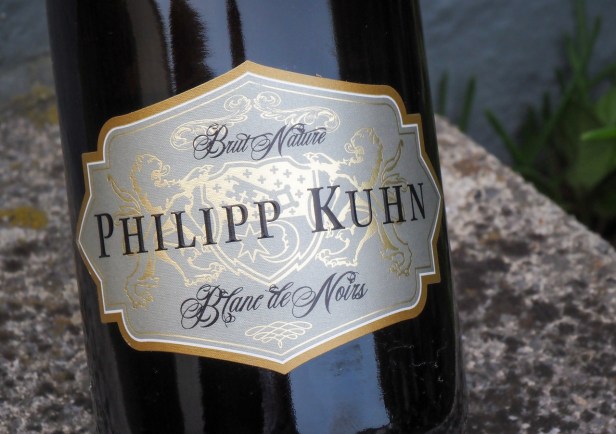
Take the perhaps most famous Blanc de Noir wines as an example, Blanc de Noir Champagne.
The world’s favourite bubbles (the white ones, not talking about rosé Champagne), are traditionally made from white Chardonnay grapes blended with the two red varieties Pinot Noir and Pinot Meunier. In this case, the final wine is white because the red grapes are fermented without (or with just very minimal) skin contact. However, since the final product includes a certain percentage of white grape varieties, a traditional Champagne is not a Blanc di Noir, as only wines (dry and sparkling) made from 100% red grape varieties are allowed to be called Blanc de Noir.
Blanc de Noir Champagne must be made from 100% red grapes, typically Pinot Noir and sometimes a blend of Pinot Noir and Petit Meunier (which means the Champagne ends up being a Blanc de Noirs).
Champagne made from 100% red grape varieties offers more structure and density, boasting fruity, floral aromas and flavours. Thus, a Blanc de Noir(s) Champagne is much more complex relative to Champagne made from only white Chardonnay grapes, or those with a small addition of red grapes.
Talking about Champagne, you might remember term Blanc de Blanc (or Blanc de Blancs) on the label. Now that you understand the meaning of Blanc de Noir, you can likely imagine what it means. White from white, thus Champagne exclusively made from white grapes, either 100% Chardonnay (Blanc de Blanc) and sometimes blending few other permitted white varieties (Blanc de Blancs).
By the way, Blanc de Blanc is a term almost exclusively used for Champagne since no dry white wine is usually made with the addition of red grapes.
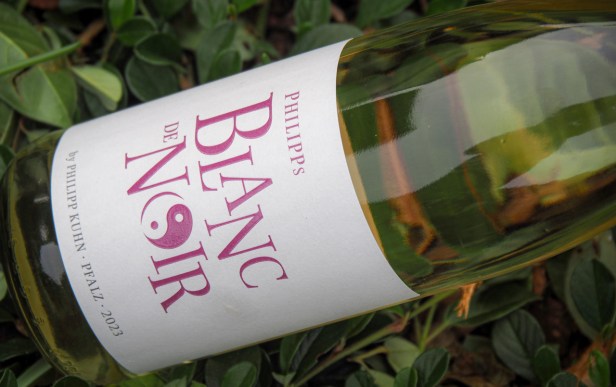
Which brings us back to Blanc do Noir(s). Champagne is a primary example for the style, but the same technique is regularly used for dry wines too. Like Champagne, dry Blanc de Noir(s) wines have a spicier character, fuller body, and more intense berry aroma relative to white wines made from white grape varieties. They will also contain less acidity and as a result a milder taste profile.
What food to pair with Blanc de Noir
Blanc de Noir(s) offering more intense aromas and body weight makes the wines an ideal match to heartier food. Any food that would typically as for lighter red wines, like white meat such as pork, or grilled meat will pair very well with Blanc de Noir. They will also work well with fish (think grilled halibut or tuna steak), seafood, poultry, Asian dishes with more intense spices and heat, and hearty cheeses.
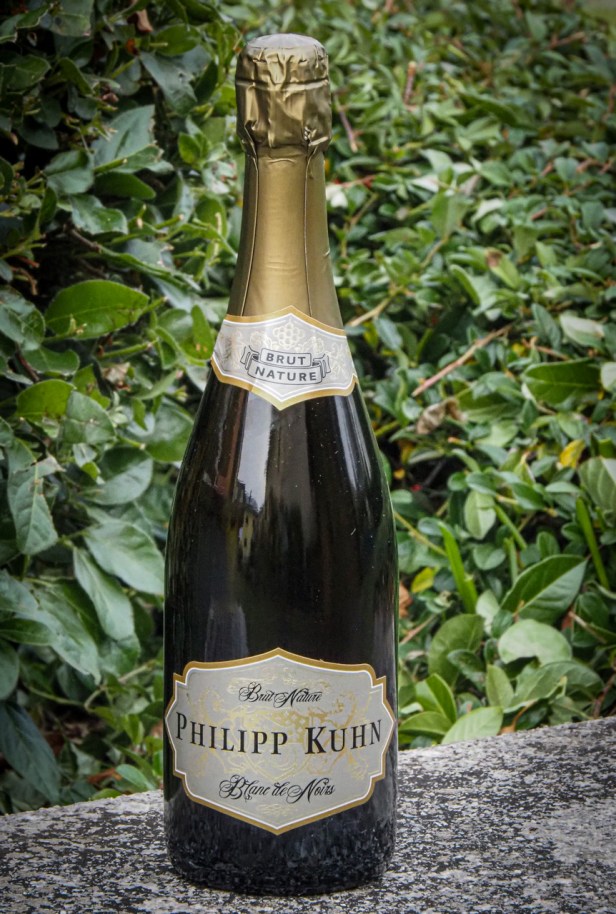
Do you have a favourite Blanc de Noir, either Champagne or dry one? Let me know which one in the comments.
 Carrots and Tigers