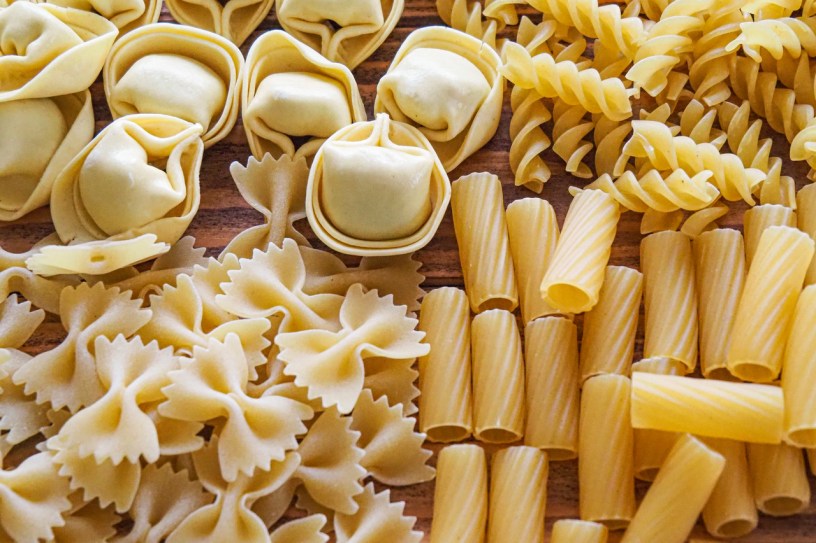
Learn how to perfectly pair pasta shapes with the right sauce
You can never go wrong with pasta. Whatever the occasion, pasta always works. Whether it’s a garden party, a family dinner, Sunday lunch, or even a birthday celebration. Don’t you agree?
The best part of it, it is not difficult to make a great plate of pasta.
However, when it comes to make the most of your pasta dish, there is one important advice unknown to many: The type of pasta you choose must compliment the sauce.
With few exceptions, pasta is made from the same few base ingredients: eggs, flour, and water. That said, different types of flour, the number of eggs incorporated in the dough, and the use of few other ingredients can make each type of pasta taste slightly different. Likewise, if the pasta is fresh or dried also makes a difference.
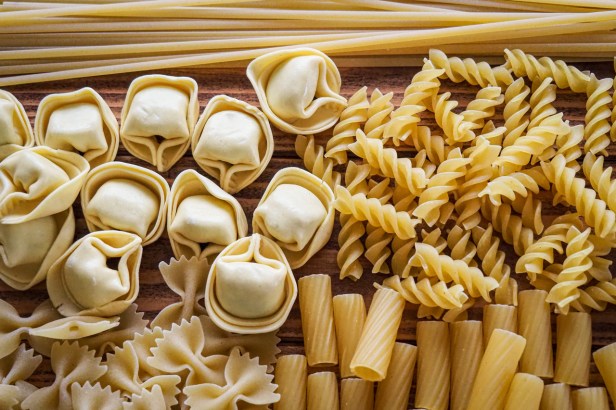
As for the various sizes and shapes, you only need to head to your nearest supermarket, and you are presented with a huge range of different types, sizes, and shapes of pasta. The most widely known include the likes of spaghetti, tagliatelle, maccheroni, penne rigate, tortellini, and ravioli. Just to name a few.
However, these types are only the tip of the iceberg. Estimates range from more than 300 up to more than 600 different existing shapes of pasta. Head to Italy, and you will quickly realize that each region or perhaps even each town uses slightly different shapes of pasta.
Why all these variations?
Clearly, there must be a reason why pasta is shaped in different ways?
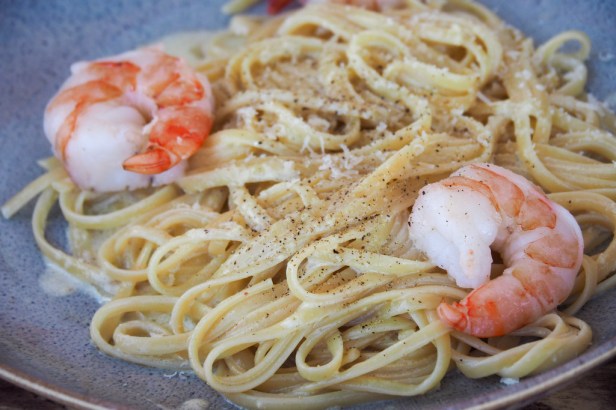
Well, off course, there is a reason. Pasta is not cut into different sizes and shapes just to create a new look or for a pasta maker to show of his creative soul.
There is nearly an unlimited number of different pasta dishes. Pasta can be served with accompanying sauces, it can be used for soups, salades, of baked pasta dishes. The different shapes are created to compliment in the best possible way with a particular sauce.

If you don’t believe me, there is a simply way to find out by yourself. Simply cook different types of pasta (for example spaghetti and penne rigate) and try them with the same sauce. You will realize how the taste of the dish will change. In fact, using the wrong shape and type of pasta might cause the sauce to slip away or to scoop up too much of it. This as a result will change the texture of the dish and causing it to taste less delicious than it’s supposed to.
What Type of Pasta To Pair With What Type Of Sauce
As a rule of thumb, the meatier and thicker the sauce, pasta with rougher surfaces or holes will be better suited to scoop up the sauce relative to slick, thin shapes of pasta. While thinner, longer shapes of pasta compliments with lighter sauces.

Check out some of the suggestions below, to get an understanding of the best pairings.
That said, you can interchange similar types of pasta and as usual, your own taste will determine the pasta you prefer with a certain type of sauce.
| Type of pasta | Shape and texture | Best for |
| Spaghetti | Long, thin, and solid | Tomato sauces, pesto, aglio e olio, seafood sauces |
| Spaghettini, angel hair spaghetti | A significantly thinner, more delicate version of spaghetti | Light, delicate sauces |
| Linguine | Long, flat, and narrow | Pesto, oil-based sauces, fish sauces, stir-fry dishes |
| Tagliatelle | Long, flat, with slightly broader surface | Creamy sauces, ragu |
| Fettuccine | Long, narrow ribbons | Creamy sauces |
| Pappardelle | Long, flat, with a broader surface | Ragu, meaty sauces |
| Bucatini | Long, hollow, spaghetti-like tubes | Fresh, thick tomato sauces; also great for Asian stir-fries |
| Macaroni | Short, semicircular, tube-shaped | Good for a very wide range of sauces, creamy casseroles, baked pasta dishes, and soupes |
| Penne rigate | Short, cylindric shaped tubes cut diagonally at both ends, small trenches on the outside | The shape is great for retaining sauces on the whole surface and scooping them into the hole. Chunky meat or vegetable-based sauces |
| Rigatoni | Short, wide tubes with ridges on the outside but smooth on the inside | The ridges and wider hole are perfect to scoop up the sauce. Chunky sauces with meat and vegetables, baked pasta dishes |
| Farfalle | Shaped like a butterfly | |
| Conchiglie | Shaped like a seashell in various sized (small, medium, and large) | Small conchiglie are typically used for soupes. The two larger versions are perfect for stuffing or very thick, meaty sauces |
| Fusili | Short spiral, corkscrew-like shapes, great for holding sauce | Perfect with nearly any type of sauce, but particular great for pesto, and thick sauces, or used in soupes or salads |
| Tortellini | Rings of pasta, designed to hold a range of stuffings | Light sauces or served in rich broth or soupes |
| Ravioli | Round or rectangle shaped parcels of pasta stuffed with finely chopped or ground fillings from vegetables to cheese and meat | Oil or butter-based sauces or served in soups |
| Orecchiette | Small, ball shaped – the name translates into ‘small ears’ | Vegetable- and oil-based sauces |
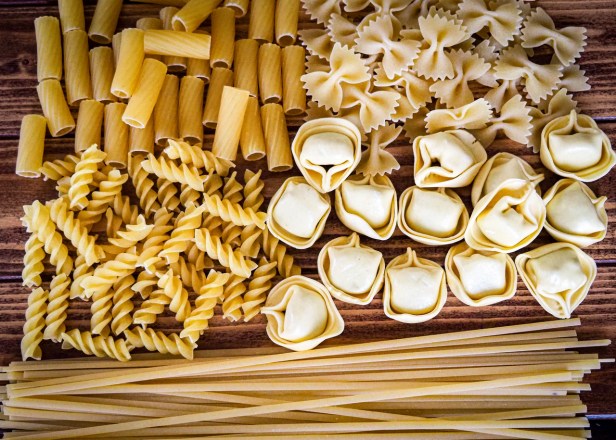
Have you ever thought about pairing particular pasta shapes with sauce? Next time you prepare a plate of pasta, make a point to choose the type of pasta that best compliments the sauce you make. Only the best combination will make your pasta dish next-level amazing.
 Carrots and Tigers