10 outstanding European food cities to inspire your 2026 travels.
Did you know UNESCO recognized the Italian cuisine as intangible cultural heritage? This might sound not too surprising, considering Italian food is among the most popular and widely known globally. Yet, while there are various culinary traditions or specific foods recognized by UNESCO (just think about the Frensh baguette or Belgium’s beer culture), this was the first time a national cuisine was added to that list in full.
But did you also know UNESCO lists cities around the world for their local gastronomic scene as well?
If you are a ‘will travel for food’ sort of person looking for inspiration where to go in 2026, planning a visit to a UNESCO listed City of Gastronomy (or several of them) should be a safe bed to enjoy outstanding foodie experiences. Don’t you agree?
What is a UNESCO City of Gastronomy?
Ask a foodie to name a leading gastronomic city, places like Lyon, Madrid, London, Parma or perhaps San Sebastian would undoubtedly come up. What these cities have in common is a large number of Michelin-starred restaurants, famous local flagship foods, and many culinary events throughout the year.
Yet not all these cities made it to UNESCO’s City of Gastronomy list. So, what is the criteria for to be included?
Any city awarded with the City of Gastronomy status must offer a well-developed, diverse food culture, maintain a strong knowledge about traditional cooking practises, use local ingredients and focus on sustainable production. This means a particular attention to indigenous ingredients and sustainable sourcing.
The destination must also offer a lively food scene with a wide range of place to eat from traditional to modern restaurants, food markets, and food-related festivals.
UNESCO’s European Cities of Gastronomy worth to plan a visit to
At the time of writing, UNESCO’s Gastronomic Cities list features 56 cities distributed across 34 countries around the world.
Since that is a lot to cover, today I will start with the 10 European cities currently on that list.
Alba, Italy
Talking about Italy’s Piemonte region from a culinary perspective means two things in particular: Wine and white truffles. The annual white truffle fair which takes place in the little hilltop town of Alba in the province of Cuneo near Turin is clearly the regions’ best-known foodie events.
Perhaps less well-known, Alba did also play a huge role in creating the iconic Slow Food movement. The initiative stands for food quality, respect of the environment and fair prices. In addition, Alba is the home of Ferrero, the famous brand producing the iconic hazelnut-cocoa spread Nutella.
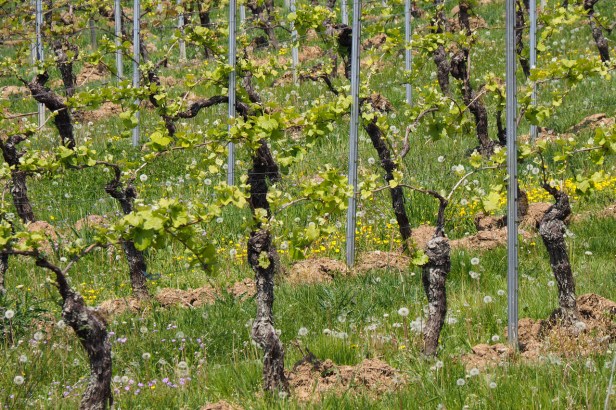
Surrounded by the rolling vineyards of the Langhe region, home to the well-known Barolo, Barbaresco and Asti wines, the area boasts one of the highest concentrations of Michelin-starred restaurants in Italy, some of the most iconic Italian wineries as well as a breathtaking scenery, lovely medieval towns and a growing range of luxury accommodation.
Signature food/produce: White Alba truffles, hazelnuts, peaches, wine.
Must-try dishes/food: Pasta or risotto with white truffles (when in season), Agnoletti del Plin (tiny, pinched meat-filled pasta, often served with roast drippings or butter), Vitello Tonnato (cold, thinly sliced veal covered in a creamy sauce of tuna, anchovies, and capers), Brasato al Barolo (beef slow-cooked in Barolo wine).
Best time to visit: White truffle season runs from October to early December, while April through October is best for mild/warm weather, winters can be fairly cold and many restaurants and hotels will be closed.
Bergamo, Italy
This little gem, located in the Lombardy region just northeast of Milan, is still largely overlooked. Yet the historic upper part (Bergamo Alta) is truly breathtaking. Encircled by Venetian walls it features small cobble-stoned streets and historic houses, a stunning cathedral (Duomo di Bergamo), the Romanesque Basilica di Santa Maria Maggiore and the grand Cappella Colleoni, a chapel with 18th-century frescoes by Tiepolo.
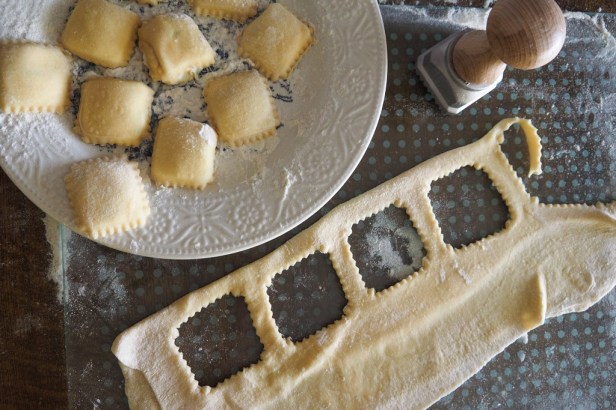
Talking about food, you might be surprised Bergamo is home to the largest production of cheeses protected by the European “Protected Designation of Origin” certification by number. Otherwise, local food is hugely influenced by the surrounding mountains and plains.
Signature food/produce: Cheese, including Gorgonzola, Taleggio, and Bitto
Must-try dishes/food: Casoncelli (small stuffed pasta resembling ravioli filled with a mixture of meats, cheese, breadcrumbs, herbs and raisins or amaretti), Polenta e Uccelli (a sponge cake covered with orange liqueur, filled with almond paste with a bird-shaped chocolate on top), Stracciatella ice cream (which was invented in Bergamo).
Best time to visit: Shoulder season (April to June, and September to October) is best for lesser crowds and pleasant weather.
Parma, Italy
Italy’s Emilia-Romagna region is home to such household names like Prosciutto di Parma and Parmigiano Reggiano. The area is often referred to as the ‘food valley’ of Italy and stands out for excellent quality.
Parma itself boasts a historic centre with Romanesque buildings, including the frescoed Parma Cathedral, strong nods to a French-inspired past while it is also a vibrant university city, which adds quite unique vibes to the day-to-day life.
There are many bistro-style restaurants, elegant boutiques, antique stores and art galleries lining the streets. For music lovers, the annual Verdi Festival is a must while the easily walkable city centre is way less crowded compared to the better-known and more touristy Florence, Rome or Venice.
Signature food/produce: Prosciutto di Parma, Parmigiano Reggiano cheese, Culatello di Zibello, Coppa di Parma, Colli di Parma DOC wines.
Must-try dishes/food: Anolini in Brodo (tiny, meat-filled pasta dumplings served in a rich broth), Tortellini (traditionally served in broth but occasionally topped with cream sauces), Torta Duchessa di Parma (a cake with layers of hazelnut paste, chocolate custard, and zabaglione).
Best time to visit: Shoulder season (April to June, and September to October) is best for lesser crowds and pleasant weather, with many food festivals in the Emilia-Romagna falling into this time as well.
Bergen, Norway
Norway’s second largest city is one of the country’s historic port cities linked to fishing. The city is surrounded by impressive mountains and fjords and perhaps best known for its colourful wooden houses lining the old wharf.
Bergen is particularly known for its sustainable fishing practices, a rich biodiversity of the surrounding sea, and boasts more than 3,000 small local producers of organic food.
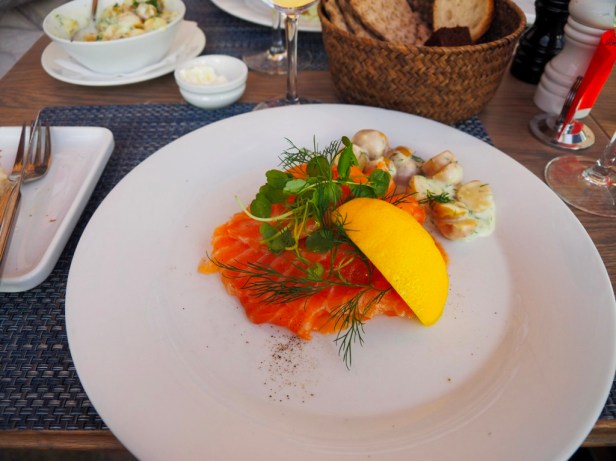
If you love visiting food markets then Fisketroget, the Bergen fish market is a place not to be missed. Otherwise, the city boasts many seafood restaurants located by the fjords.
Bergen hosts its annual seafood festival in February. September is peak cider season, with the local cider festival the main attraction.
Signature food/produce: wild salmon, cod, and other seafood, cider
Must-try dishes/food: Bergensk fiskesuppe (a local fish soup), Persetorsk (pressed cod in a salt and sugar liquid), Brunost (a brown cheese from Norway), fresh seafood.
Best time to visit: Bergen is a year-round destination also the weather can be a bit more unpredictable during shoulder season and there is a high chance to encounter rain during anytime in the year. Summers are pleasant with mild temperatures and high chances to experience the Midnight Sun. Winters are cold with plenty of snow meaning plenty of skiing/snow activities albeit days can be fairly dark. February and March are the best months for a chance to see the Northern Lights.
Burgos, Spain
Located in the region of Castile and León, Burgos is characterized by a particularly intact medieval architecture. The French Gothic Cathedral of St. Mary is undoubtedly the city’s most stunning landmark. It is home to the Chapel of Condestable, and the tomb of legendary 11th century military commander Rodrigo Díaz de Vivar, better known as El Cid.
Burgos is also one of the main stops along the famous Camino de Santiago and is home to many more stunning medieval landmarks and buildings.
The city and surrounding region of Castile and León are characterized by a hearty, rural cuisine. Lamb dishes are among the most present, from the regions iconic suckling lamb to roasted lamb, lamb stew and several others.
Signature food/produce: Morcilla (blood sausage), Lechazo (roast lamb), Burgos cheese (a soft white cheese made from sheep’s milk), Ribera del Duero wines
Must-try dishes/food: Lamb-based dishes, Sopa de Ajo (garlic soup), Arroz Morcilla (rice made with blood sausage), Olla Podrida (stew made with red beans and pork), Yemas de Burgos (rich egg-yolk cake).
Best time to visit: Late spring (May) to October offers pleasant weather with limited to no rain.
Denia, Spain
The historic port city of Denia, located in the province of Alicante on the eastern coast, halfway between Alicante and Valencia, is dominated by the ruins of Denia Castle towering over the city.
Perhaps best known as the ferry gateway to the islands of Ibiza and Formentera, Denia boasts a charming historic centre, beautiful large beaches, mountain slopes and above all is home to a rich culinary heritage evolving around seafood and Mediterranean fruits like oranges, lemons and grapes.
Signature food/produce: gamba roja (red prawns), fresh seafood, local fruits (oranges, lemons) and vegetables (tomatoes, peppers, eggplants)
Must-try dishes/food: Arroz a Banda (rice made with squid, fish stock, tomatoes, and a variety of spices including pepper, paprika and bay leaf), La Llandeta (rustic, flavorful stew featuring various local fish and seafood), Espencat (grilled vegetables including pepper, tomato, eggplant, and onion), Coc (a thin flatbread topped with peas, anchovies, or grilled vegetables) red shrimp from the coast of Denia, sea urchins
Best time to visit: Shoulder season (April to early June, September and October) offers pleasant weather with still lower crowds. Summer (June to September) is usually hot with peak tourist numbers. Winters are usually mild but several places might be closed.
Fribourg, Switzerland
I am always amazed about the rich culinary heritage and diversity of Switzerland, especially considering the relatively small size of the country. Nearly any part of the country is worth visiting during any time of the year.
The widely unknown Fribourg, located between Lausanne and Bern along the shores of the Sarine River in the western part of Switzerland, one of the most picturesque and well-preserved medieval towns in Europe. It boasts beautiful historic architecture, including the iconic Gothic Fribourg Cathedral.
The local food scene is a blend between German and Franch cuisine, centred on local farm produce enjoyed in a modern cafes, cozy pubs, and fine dining restaurants, all set within its stunning medieval Old Town
Signature food/produce: Gruyère and Vacherin Fribourgeois cheese, artisanal ham, rustic tarts.
Must-try dishes/food: Fondue moitié-moitié (a mix of Gruyère and Vacherin Fribourgeois cheeses, melted with white wine and spices served with potatoes), Vully Tart (made with bacon and cumin for the savoury version, while the sweet one has cream and sugar on top), Cuchaule (saffron-flavored brioche bread, perfect with butter and sweet/spicy Bénichon mustard)
Best time to visit: Like all destinations across Switzerland, Fribourg is a year-round destination. Spring is perfect to experience spring flowers, summers are warm yet not too hot, autumn brings colourful foliage and rich harvest produce while winters are best for slow-living experiences.
Heraklion, Greece
Crete is one of my top bucket list destinations and 2026 might be the year I will finally return to this beautiful island (mind you, my last visit was about 30 years ago).
The island’s capital city, Heraklion, is located on the eastern coast. Best known for such iconic historic site like the Palace of Knossos, dating back thousands of years to the Minoan civilization, and the beautiful Venetian port featuring the 16th-century Koules fortress.
Crete is home to millions of olive trees and counts more than 150 types of edible wild greens, with both being a major backbone of the traditional local cuisine.
Signature food/produce: Olive oil, wild greens, Raki (a grape based spirit enjoyed after meals)
Must-try dishes/food: Dakos (barley rusks topped with grated fresh tomato, mizithra or feta cheese, oregano, and olive oil), Chochlioi Bourbouristi (snails fried with rosemary and vinegar), slow-cooked lamb or goat, Kalitsounia (small, delicate pies filled with sweet or savoury cheese or wild greens)
Best time to visit: Shoulder season (May to June and September to October) offers pleasant weather and lower tourist numbers. Summers are warm yet not too hot but can be humid and tourist numbers will be the highest.
Santa Maria da Feira, Portugal
Yes, I had to look it up as well. Santa Maria da Feira is located in the northern part of Portugal, around 30 kilometres south of Porto. The small city is home to the beautifully preserved medieval Castle of Santa Maria da Feira.
In August, the city transforms itself into a medieval stronghold, hosting the 12-day Viagem Medieval festival featuring medieval tournaments, markets, shows, and period food.
Signature food/produce: locally grown vegetables and mushrooms, seafood
Must-try dishes/food: Fogaça (a sweet bread with a distinctive shape recalling the four towers of the castle), Caldo Verde (a soup of kale, potato, and chouriço), Arroz de Pica no Chão (chicken & giblet rice), Rojões (tender chunks of pork marinated in wine and garlic, then fried).
Best time to visit: Shoulder season (April to June) and September/October) usually means mild weather. Late June to early September is the warmest time but usually it will not be too hot with the largest culinary festival, the Viagem Medieval festival usually taking place in August.
Östersund, Sweden
You are most likely not the only one that has never heard about this little village located at the shores of Lake Storsjön, Sweden’s fifth-largest lake just opposite the island of Frösön, approximately in the middle of Sweden. It was one of the first UNESCO gastronomic cities thanks to a strong focus on sustainable food production, upholding the proven historic techniques preserving food for the long, extreme winters.
Signature food/produce: reindeer and moose meat, caramelized messmör cheese, arctic char, Goat cheese, cloudberry jam, tunnbröd
Must-try dishes/food: Classic Swedish staples like cured fish and potatoes, local game (often served stewed or as steak).
Best time to visit: The summer months (June to August) offer mild weather, midnight sun, and many of the local festivals will fall into this period, in particular the annual Jämtland Food Festival, usually held in August. Winter (November to March) is best for seeing the Northern Lights, snow sports and ice fishing.
If food plays a major role in your travel planning, why not plan a trip to an UNESCO City of Gastronomy this year? Which of the cities listed above has captured your attention?
 Carrots and Tigers