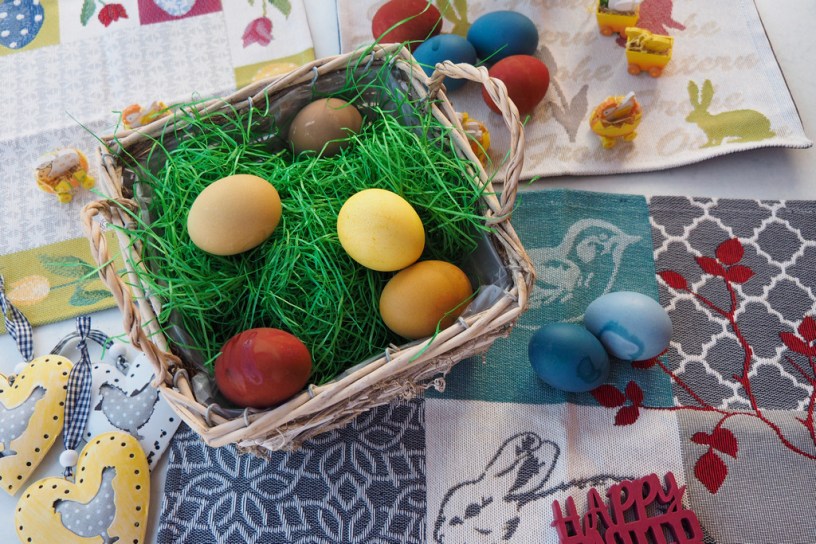
Discover some of Europe’s most exciting Easter Market destinations, blending tradition and artistry along with the first vibes of springtime.
Is it too early to talk about Easter?
Certainly not if you have plans to travel in Europe in March. Which is the time when beautiful Easter Markets will start to appear almost anywhere.
Despite following the same rational like the hugely popular and widely known Christmas Markets, Easter Markets (or Easter Egg Markets) are still largely overlooked. Which make them my preferred choice. I love to explore the vibrant, spring-themed stalls selling hand-painted eggs, crafts, and traditional food and drinks without the large crowds and expansive price tags you can expect come Christmas.
What are Europe’s Easter Markets?
Europe’s Easter Markets are part of a century long tradition centred in old pagan rituals celebrating the arrival of spring. Which means, many of these markets have been around for a long time. Often, Easter Markets around Europe are disguised behind regular farmers markets which in the run-up to the long Easter weekend will add seasonal Easter items, from decorated eggs to crafts, flowers and the traditional foods associated with the Easter period. That said, more recently, dedicated Easter Markets have started to spring up in many destinations across those European countries traditionally celebrating Easter.
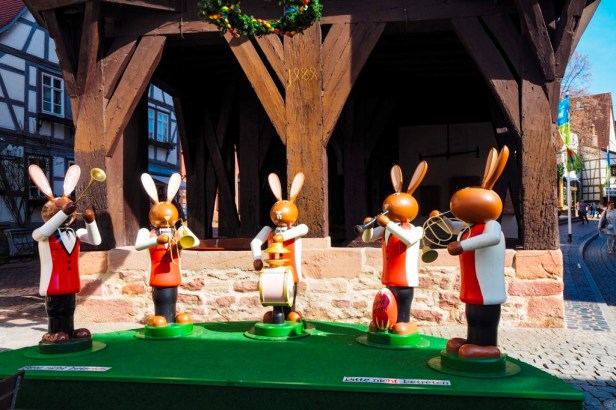
The markets take place during the season of Lent, between Ash Wednesday and Easter Sunday. Many will only be held for one week, over the weekends just ahead of Easter, or sometimes just for one weekend.
Different to Christmas Markets, which are an open-air affair, it is quite usual for many Easter Markets to take place indoors. Still, there will be beautiful Easter decorations in historic towns and city centres, featuring spring flowers, decorated Easter eggs, Easter bunnies, and more.
Once you start looking out for Europe’s Easter Markets, you will realize, there are hundreds of them. Some in the larger European cities, but the majority are still found in the smaller, historic towns and villages, particularly in Germany and Austria along with Eastern European countries.
16 traditional Easter Markets across Europe worth putting on your bucket list
So, where do you find Easter Markets across Europe worth visiting? Below, I have listed 16 markets hosted in 12 different cities and towns I recommend exploring should you visit in March/April.
Easter Markets in Germany
Easter Markets have a long tradition in Germany, particularly in the smaller medieval towns and villages, though more recently cities like Berlin, Hamburg and Munich have started to add their own markets.
Nuremberg, Germany
This is one of the largest Easter Markets across Germany and one of the oldest, with roots going back to medieval times.
The beautiful historic city centre will transform into a vibrant, bustling hub of beautiful Easter and spring decorations. The Easter market, located at Hauptmarkt, the city’s central square dating back to the 16th century, will feature nearly 100 stalls selling Easter items, craft and food specialities.
Originally held as a spring market selling useful household items, market stalls continue to offer table linen, baskets, tableware and cooking pots alongside Easter items.
When: March/April 2026
Berlin Easter Markets
Berlin in recent years has added a number of Easter Markets to its attractions.
Taking place for the fourth time this year, the Easter Market at Potsdamer Platz will feature stalls selling all sorts of Easter decorations, wood products and handicrafts along with a fairytale carousel and the Easter Bunny visiting on Easter Sunday. In addition to stalls selling culinary specialities, there is also a little beer garden.
When: 29th March to 6th April
Michelstadt Easter Egg Market
The historic town centre will transform into a sea of beautiful Easter and spring decorations.
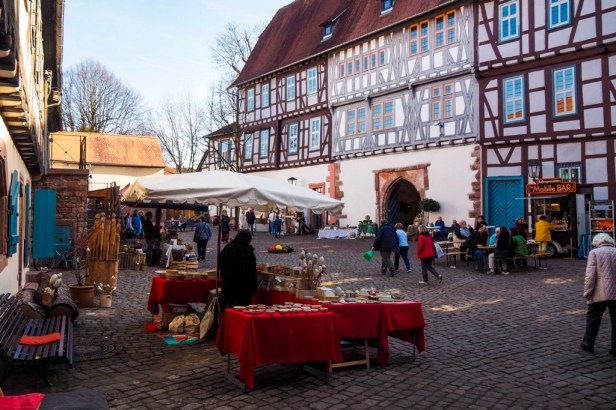
The small Easter Egg Market will be once again held in the historic Erwin-Hasenzahl-Hall where up to 40 stalls will sell crafts and decorations, including skilfully decorated Easter eggs.
When: 14th and 15th March, 2026
Eberbach Abbey Easter Market
Set in the historic Cistercian monastery, famous for being one of Germany’s oldest Riesling wineries, and the location where the famous movie The Name of the Rose starring Sean Connery was filmed, the market features around 70 international exhibitors selling handcrafted items along with beautifully decorated chicken, goose, duck, and ostrich eggs. Artists from many European countries will be on site showcasing their egg decoration skills.
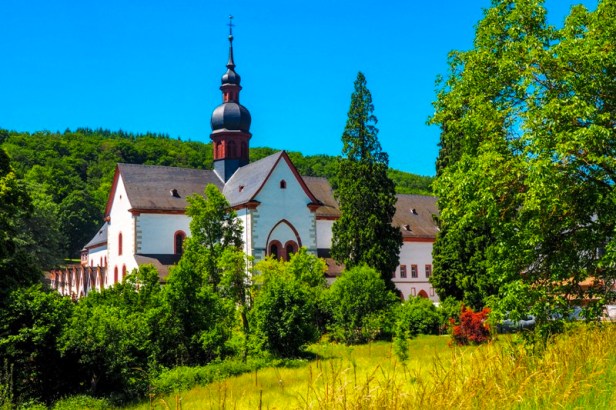
While you are there, head over to the modern Vinothek for a wine tasting and to pick up a few of Eberbach Winery’s bottles.
When: February 28th and March 1st, 2026
Schwetzigen Palace International Easter Market
The small town near Heidelberg is particularly famous among asparagus lovers for its annual asparagus festival (usually during the first weekend in May). Less known is that come spring Schwetzingen Palace will transform into one of Germany’s largest Easter Markets.
When: March 7th to 8th, 2026
Rothenburg ob der Tauber
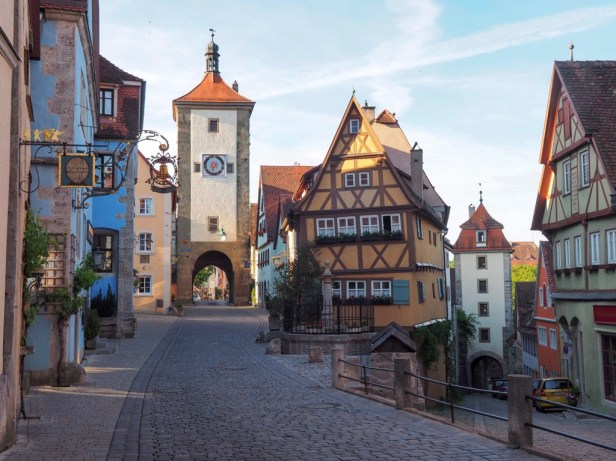
Famously known as one of Germany’s best preserved medieval villages, and home to one of the most magical Christmas Markets, the small city square in front of city hall will dress up for the Easter weekend as well. Stalls will sell handcrafted Easter decorations, painted Easter eggs and regional food specialities.
When: usually starting just before the long Easter weekend, ending on Easter Monday.
Easter Markets in Austria
From the Austrian capital to the well-known cities of Salzburg and Innsbruck and beyond, Austria offers a long list of beautiful destinations that come March will transform into artfully decorated Easter backgrounds.
Vienna, Austria
The Austrian capital traditionally hosts three major Easter markets, each with their own unique vibes and attractions.
The historic Old Viennese Easter Market at Freyung, one of Europe’s oldest Easter markets, dating back over 350 years, is locally well-known for featuring a giant egg mountain. It is made up of over 40,000 decorated eggs
When: from mid-March to April 6th, 2026
Schönbrunn Palace EasterMarket is hands down one of the most picturesque. Around 60 stalls set up in front of the stunning baroque palace will sell handicraft, decorations and delicious food.
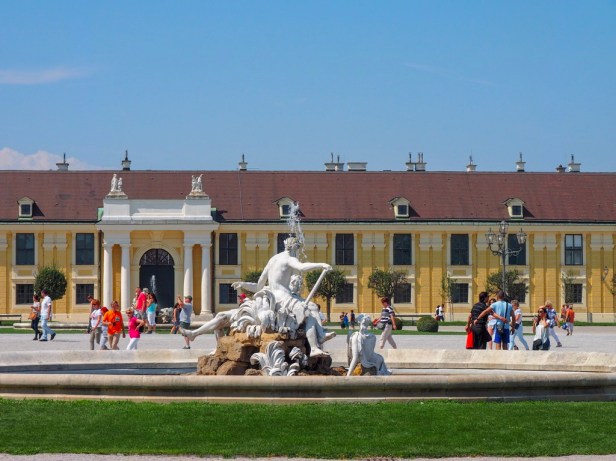
While traditionally ending on Easter Sunday, the market now extents beyond the long Easter Weekend, transforming into a beautiful spring market for another two weeks.
While there, make sure to visit the palace and gardens and treat yourself to a freshly made apple strudel at the Palace Café. Perhaps also time your visit to attend one of the apple strudel baking demonstrations.
When: March 25th to April 19th, 2026
Easter Market Am Hof, located directly at the imperial Hofburg Palace. Around 50 stalls will offer a wide range of Easter decorations, handicrafts, spring flowers and food.
When: March 20th to April 6th, 2026
Salzburg, Austria
Music fans planning to visit Salzburg’s famous Easter Music Festival are in for a special treat.
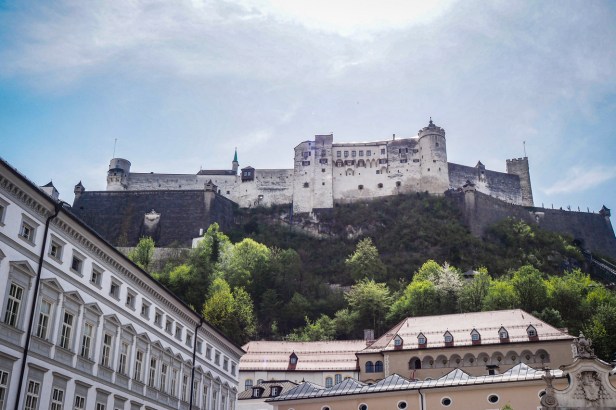
Distributed across the historic city centre, as well as on the grounds of Mirabell Castle, a couple of small markets will pop up in the weeks before the long Easter weekend. Stalls will sell handicrafts, Easter and spring decorations, along with seasonal local food.
When: Saturday, March 28th, 2026
Outside the city, Salzburg Open Air Museum will host its annual Easter Market including traditional performances on the last two weekends in March.
Meanwhile, Aiderbichel Farm, founded 25 years ago to offer a safe haven for animals in need will also host its annual Easter event from March 21st to April 6th, 2026. Expect to find lots of Easter decorations, from decorated eggs to Easter braids, and more. Combine your visit with a tour through the farm and say hello to the wide range of animals.
Easter Markets around Europe
The beautiful tradition of Easter Markets does not stop beyond the boundaries of Austria and Germany. While less widespread, many other countries will host their own markets.
Brussels Easter Market, Belgium
Place Sainte-Catherine will become the backdrop of Belgium’s largest Easter Market. Stalls will sell handmade crafts including unique wood carvings and decorated (mostly painted) eggs, seasonal floral decorations, and a wide mix of culinary specialities. Life music and street performances will complete the experience while special Easter activities like Easter egg hunts will keep the little one’s entertained.
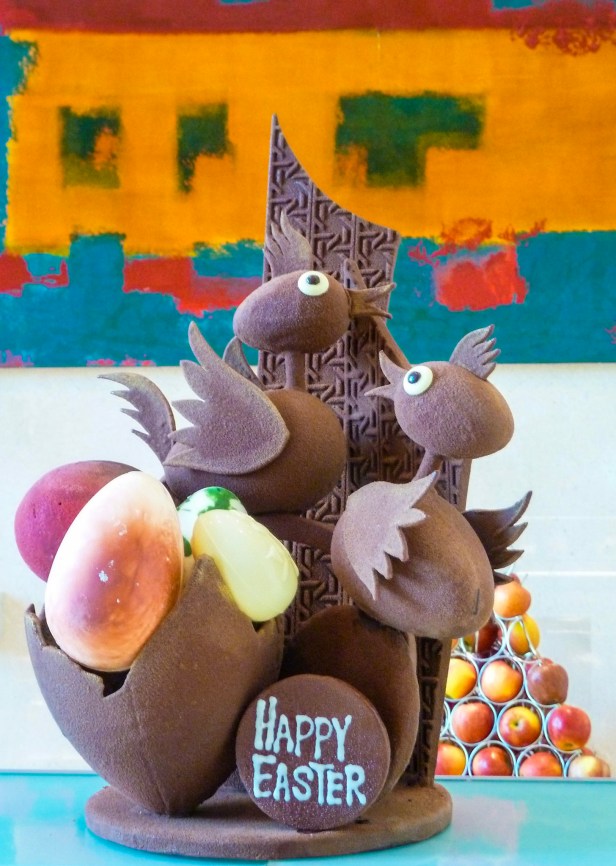
Off course, this being Brussels, look out for artisanal chocolates, shaped into Easter Eggs for the occasion, and the famous Belgium waffles.
When: April 3rd to 6th, 2026.
Colmar, France
Medieval Colmar, in the French Alsace region, not only hosts one of the most adorable Christmas Markets across Europe. The beautiful town centre transforms into the perfect backdrop for one of the loveliest Easter/Spring Markets.
More than 70 stalls will offer traditional Easter items and all sorts of spring-related artisanal products including pottery, wine from Alsace, and local food.
When: April 2nd to 26th, 2026
Prague, Czech Republic
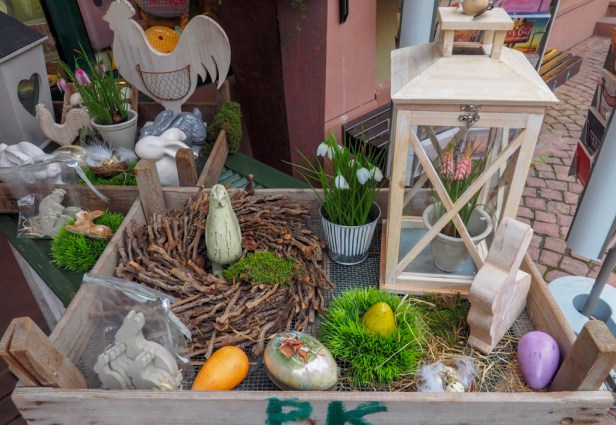
Just before the long Easter Weekend, Prague’s two major squares, both just round about a 5-minute walk from each other. Old Town Square and Wenceslas Square will transform into a scenic setting featuring wooden hoods decorated with spring flowers and colourful ribbons holding painted Easter eggs. Stalls will sell local food and crafts and there will be live performances.
Highlights include the traditional ‘Burning of the Witches’ ceremonies along with music performances featuring traditional instruments.
In addition, expect live demonstrations of egg decorating and whip braiding.
When: open daily from March 21st to April 21st, 2026
Krakow, Poland
Located in the Main Market Square, specializing in pisanki (painted eggs), lace, and traditional, food the market is set in front of the historic St. Mary’s Basilica.
In addition to eggs featuring traditional designs from all over Poland, expect to spot the traditional butter lamp sculptures
When: Late March to April 2026
If you are lucky enough travelling in Europe during the weeks running up to the long Easter Weekend, make sure to seek out the traditional Easter markets featuring seasonal decorations, and the delicious regional foods of the season.
 Carrots and Tigers