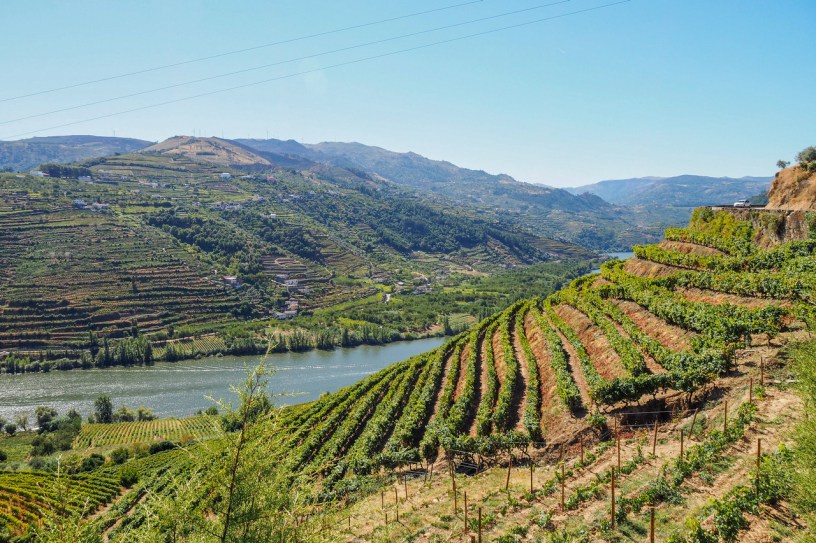
From the home of port wine to the sandy beaches in the south, plan your next wine-themed trip to one or all these Portuguese wine regions.
The wine world might be in turmoil and younger generations are consuming less wine (and other alcoholic beverages) then previous ones. That undeniable trend notwithstanding, wine regions remain hugely popular travel destinations. For wine lovers, but also for anybody else thanks to the combination of usually stunning landscapes, rich cultural heritage and excellent dining options.
Portugal might not feature among the world’s most famous winemaking nations, thought port wine – its flagship product – is a style likely known by most. Lisbon, and more recently Porto along with the Algarve are also well-known travel destinations.
So, if you are looking to explore Portugal beyond its major destinations, I highly recommend starting with these beautiful and vastly different wine regions. They will quickly win you over even when you do not come for the wines.
What are Portugal’s wine regions
Portugal might be one of the smaller European countries, but with 14 official wine regions, 31 DOC/DOP areas (standing for the highest quality wines), and over 250 autochthone grape varieties, the country offers a hugely varied wine landscape to explore. Deciding which region to visit first can be truly overwhelming.
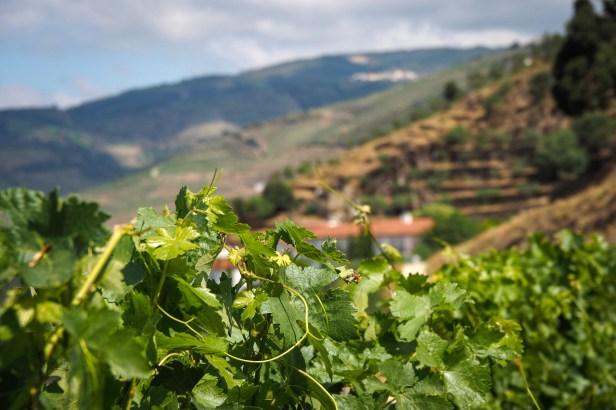
From the mountainous north featuring wine regions like the Duoro Valley and Vinho Verde to the central Dao and Bairrada, the warm southern plains of the Alentejo and Algarve, and onto the island regions of Madeira and the Azores, each offers a distinctively different climate and landscape, along with many historic local sites, and excellent dining experiences.
If you are planning to explore Portugal’s wine regions through vineyard experiences, local landscapes, culture and food, I highly recommend getting started with these five distinctive regions. Not only do they offer some of the country’s best wines, but they also feature hugely diverse landscapes, historic sites and villages, along with excellent gourmet experiences and accommodation.
Learn more about these regions, what they are known for, how and when to visit, where to stay and what wines to taste in the region-by-region guide below.
Duoro Valley, the home of port wine
The world’s oldest demarcated region (in 1756 by the Marquis of Pombal) is renowned for Port wine and dramatic terraced landscapes. But the UNESCO-listed Duoro Valley has long moved on from exclusively making port wines. Nearly all local quintas (wineries) here now also produce excellent dry white and red wines.
The steep, terraced vineyards nestled along the Duoro River offer some of the most breathtakingly beautiful views. The areas major historic villages Pinhão, Peso da Régua, and Lamego are more than worth a stop while a river cruise will offer entirely different views of the vineyards dotted with quintas (wineries) sitting either directly on the riverbank or strewn high on the slopes, with narrow curvy roads leading up to them.
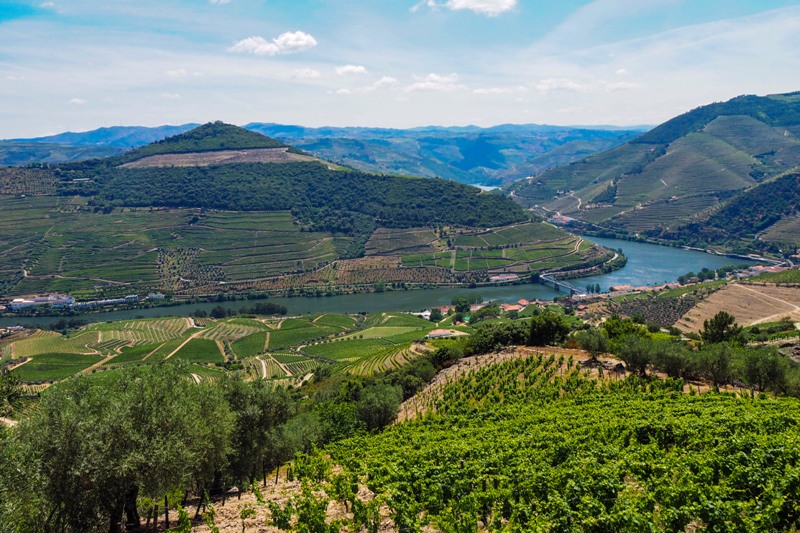
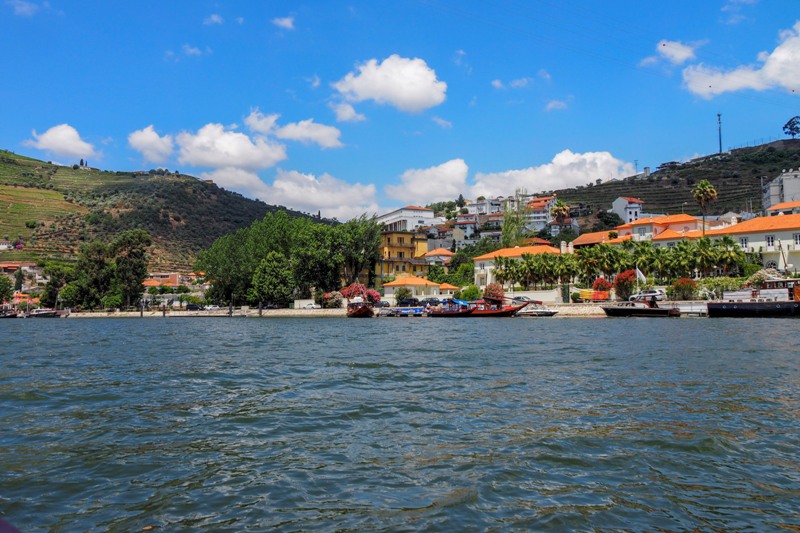
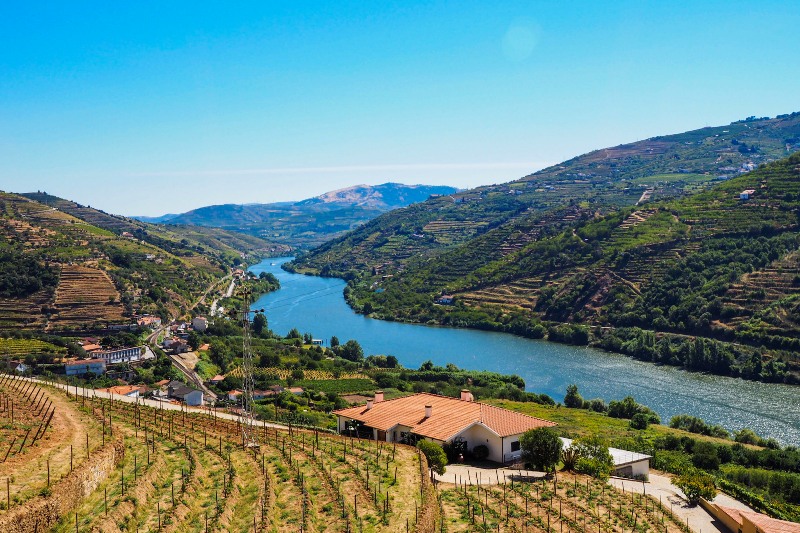
You could also consider this world-famous wine region as one of Portugal’s most outstanding destinations for luxury vineyard accommodation.
Where is it located: In the northeastern part of Portugal, about 100 kilometres from Porto.
How to get there: Driving from Porto/Porto airport via the A4 takes round about two hours and is the most flexible way to explore the area. Meanwhile, the train connections from Porto-Campanha or Porto-São Bento to Peso da Régua and Pinhão with the Linha do Douro line take round about two to two and a half hours. You can also take a boat trip from Porto that takes you into the heart of the Douro Valley although these trips or usually offered as day trips including a return via train on the same day.
Main grape varieties: Leading red varieties include Touriga Nacional, Touriga Franca, Tinta Roriz, Tinta Barroca, and Tinto Cão while whites are dominated by Viosinho, Gouveio, Rabigato, and Malvasia Fina.
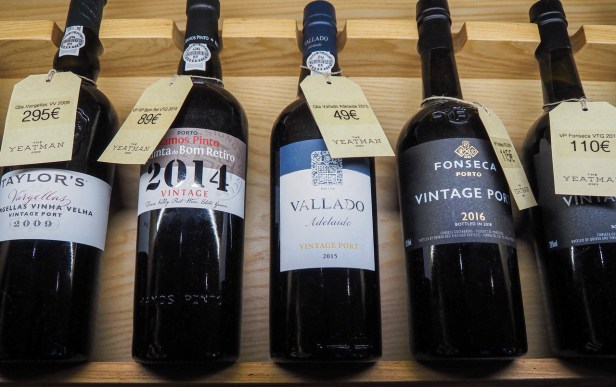
Wine styles: Port wines still rule, ranging from rich ruby tawney ports to vintage and white ports. Dry wines feature powerful berry-driven red table wines, and fresh, mineral-driven whites.
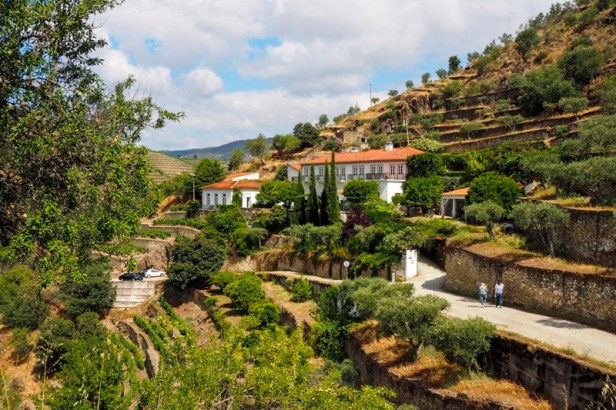
Wineries to visit: Quinta da Pacheca, Quinto do Crasto, Quinta do Vallado, Quinta do Seixo, Quinta de Nápoles (Niepoort), Quinto do Panascal.
Attractions beyond wine: Visiting the historic villages of Pinhão, Peso da Régua, and Lamego including such landmarks as the oldest surviving chapel of The Corinthian columns (built in the 1100s), the Lamego Museum (hosted in a beautiful palace itself and hosts a number of paintings, sculptures and tiles along with archaeological and liturgical artefacts from different eras), Lamego Castle and the Lamego Cathedral dating back to 1129. The most famous Lamego attraction however is probably the stairway leading up to the hilltop chapel named The Shrine of our Lady of Remedies, which was built in 1791 and today has become a site of pilgrimage. Other activities include river cruises, along with hiking or biking through the vineyards.
Best time to visit: April to May offers beautiful, lush green scenery coupled with mild temperatures. September to October is harvest time with vineyards turning into shades of red and gold.
Where to stay: Outstanding vineyard accommodation in the area include the Six Senses Douro Valley, Vintage House Pinhão, Lamego Hotel, Quinta da Pacheca and Quinta da Vacaria.
Good to know: Most of the local wineries are open to visitors. Nevertheless, many still require appointments made in advance. So, if you want to visit a particular winery, make sure to find out in advance if you need an appointment.
Vinho Verde, the world of crisp whites
Best-known for crisp, light and fresh white wines, mostly from Alvarinho and Loureiro grape varieties, Vinho Verde is perhaps Portugal’s most famous region for white wine with low alcohol and bright acidity. The area is one of the country’s – and Europe’s – largest demarcated wine regions. Interestingly, the name Vinho Verde has nothing to do with the colour of the local wines but rather describes the areas lush green scenery.
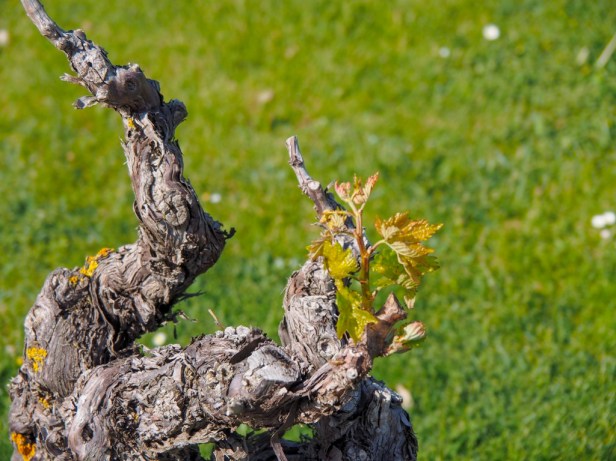
The region is indeed characterized by the aforementioned lush green scenery and gently rolling hills. While the landscape is stunning, the area is known for its cool and humid climate.
Where is it located: In the northwestern part of Portugal, just under one hour from Porto, covering the entire Minho region, bordered by the Minho River to the north, the Atlantic Ocean to the west, and the Douro to the east.
How to get there: It’s a one-hour drive from Porto/Porto airport, and driving offers the most flexibility exploring the area. Train connections from Porto arrive at Braga and Guimarães.
Main grape varieties: The most iconic include Alvarinho, Loureiro, Trajadura, Arinto and Vinhão. The far lesser known red Vinho Verde wines are usually made from Vinhão, Padeiro, and Espadeiro.
Wine styles: Structured whites with balance and subtlety, crisp acidity and fresh young flavour. Most Vinho Verde wines are a blend of indigenous local white varieties.
Wineries to visit: Quinta de Covela, Quinta da Aveleda, Quinta do Soalheiro (one of the pioneers in cultivating the Alvarinho grape), and Quinta da Calçada (sitting in an imposing 16th-century manor house).
Attractions beyond wine: Featuring a rich history and cultural heritage with medieval towns and historical sites like Guimarães and Ponte de Lima, known as the oldest town in Portugal. The Amarante sub-region features attractions like Igreja de São Gonçalo church built in the 13th century. Outdoor activities are also plenty here including many kilometres of nature tails.
Best time to visit: Early summer is the best time to explore the area.
Where to stay: Braga is the most convenient central base for exploring the region with Torre de Gomariz Wine & Spa Hotel one of the top choices. Meanwhile Monverde Wine Experience Hotel or Casa da Calçada Relais & Châteaux are among the best hotels when staying in the Amarante area.
Good to know: While some vineyards are open, it is highly recommended to book tours and tastings in advance.
Dao, Portugal’s Burgundy hotspot
A region protected by mountains, Dao is well known for its elegant, sophisticated, and age-worthy red wines, mostly from Touriga Nacional.
Situated on a plateau at approximately 500 meters above sea level, flanked by the Serra do Caramulo in the west and the Serra da Estrela in the south-east, the local landscape features dramatic granite scenery, gentle slopes, extensive pine, eucalyptus and chestnut forests, and deep river valleys (particularly the Dão River).
Where is it located: In the north-central part of Portugal in the Beira Alta region, around one and a half hour southeast of Porto.
How to get there: The best option is driving with the airports of Porto in the north about 1.5 hours away and Lisbon in the south around three hours. Meanwhile, trains run from both Porto and Lisbon to major towns in the area. However, locally public transport is limited to major spots making it difficult to explore the area without a car.
Main grape varieties: The primary red grape variety is Touriga Nacional while other key varieties include Tinta Roriz (Tempranillo), Jaen (Mencia), and Alfrocheiro. With only around 20% of the region’s vineyards planted with white varieties, Encruzado is the flagship white. Bical and Malvasia Fina are also grown.
Wine styles: Characterized by high acidity, elegant structure, and balanced, savoury, and often earthy aromas. Aromatic structured reds and crisp, mineral-driven whites. Great aging potential.
Wineries to visit: Quinta de Lemos (incl. a Michelin-star restaurant on site), Caminhos Cruzados, Casa da Passarella, Soito Wines (for those loving picnics in the vineyard), Boas Quintas.
Attractions beyond wine: The area is dotted with historic solares (manor houses), Roman roads, and villages with narrow, cobbled streets and granite homes.
Best time to visit: May to June for mild weather and green scenery and September to October for harvest season and still pleasant weather.
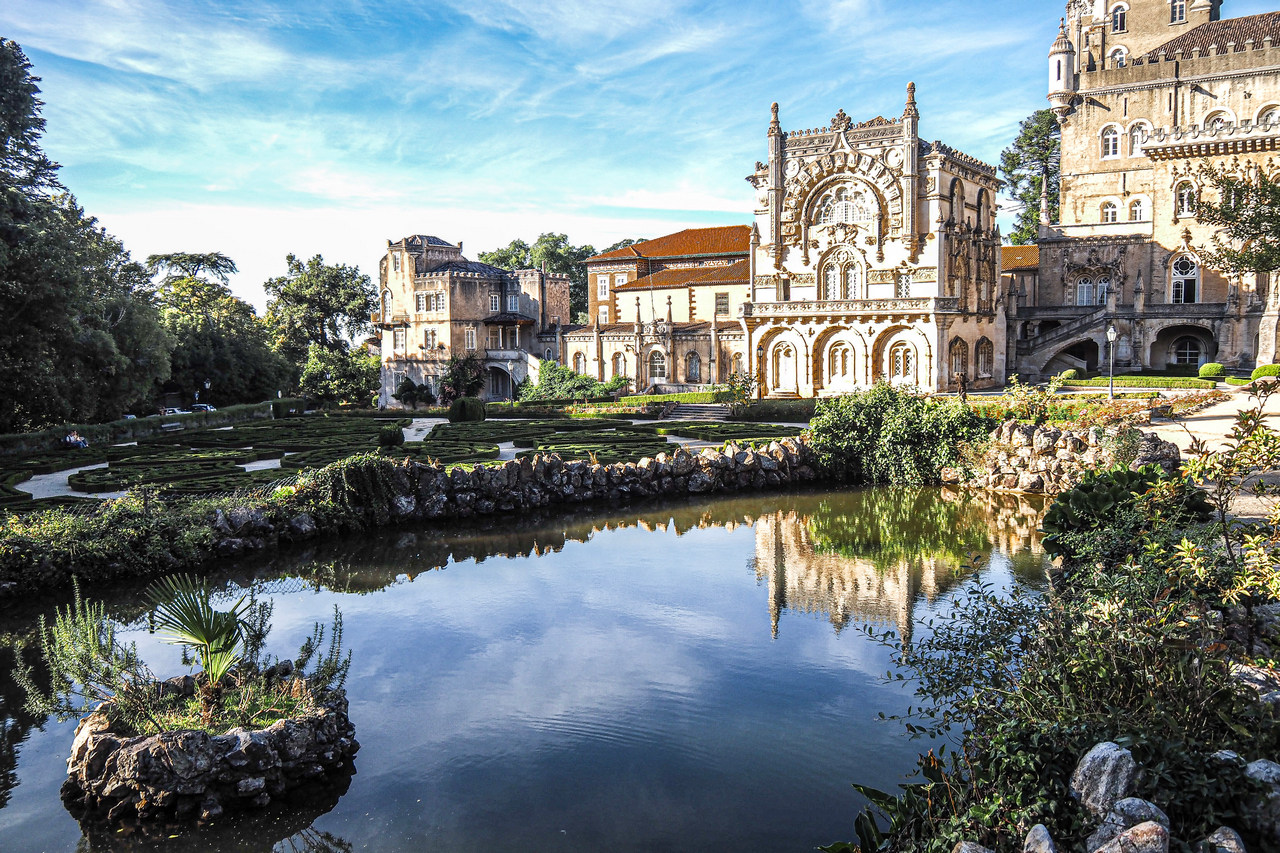
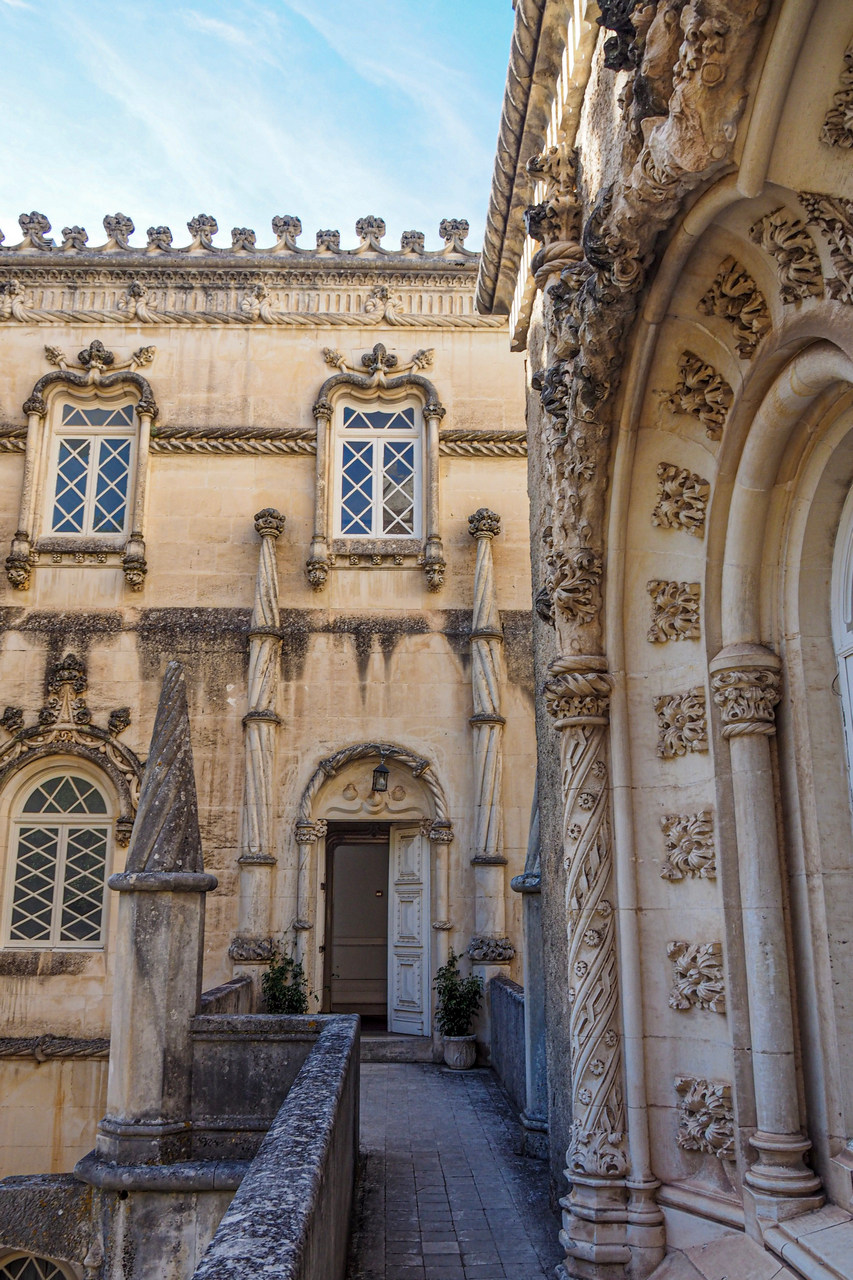
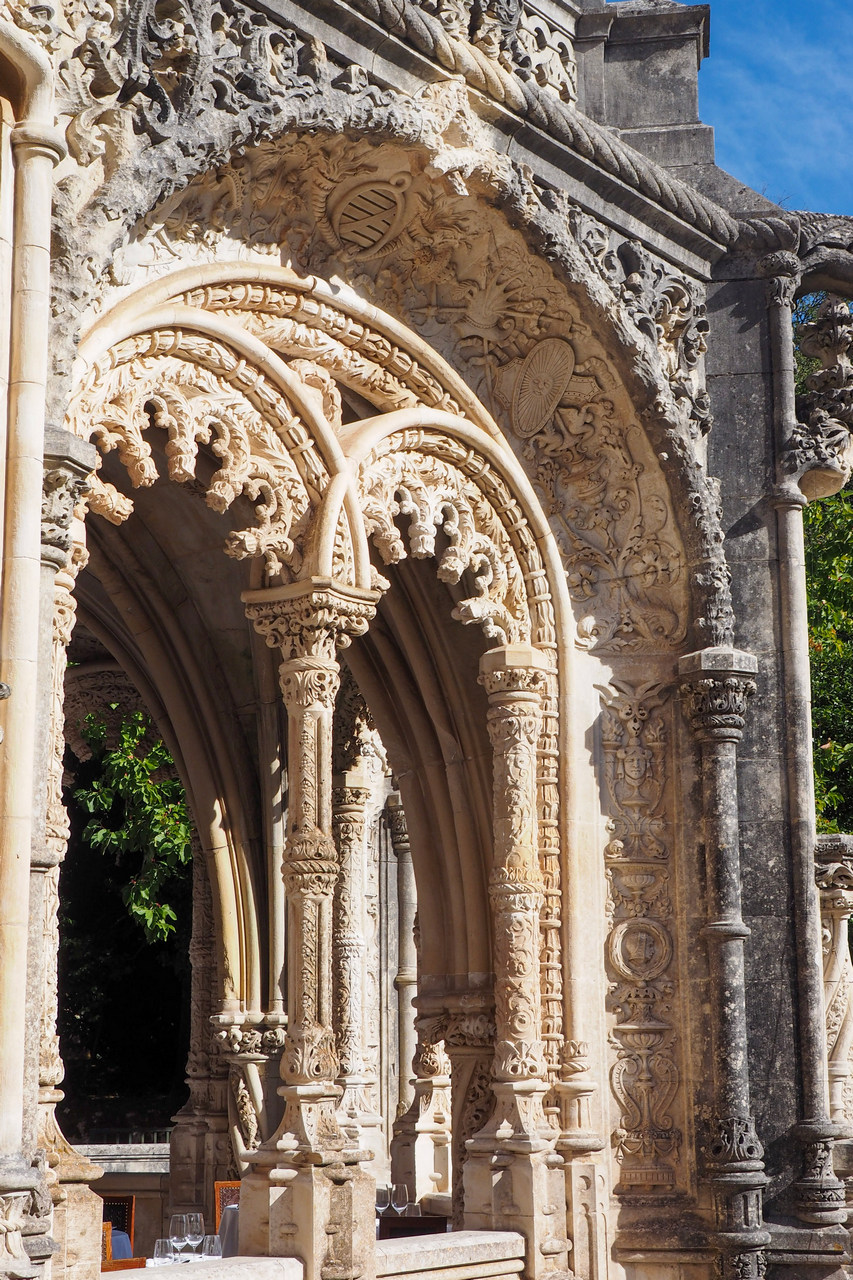
Where to stay: Viseu is the most centrally located area to explore the region. Pousada De Viseu, Avenida Boutique Hotel are the best choices here. Meanwhile, Valverde Santar Hotel & SPA – Relais & Châteaux in Santar and Parador Casa Da Insua in Insua are well worth driving a little further.
Often mentioned is Bussaco Palace Hotel, in the Bussaco National Forest near Coimbra. While the site is clearly stunning, and the hotel is classified as 5-star hotel, the aforementioned places are likely the better choice.
Good to know: Many estates offer tours of modern wineries, vineyard strolls, and pairings with local food.
Alentejo, the cradle of red wine
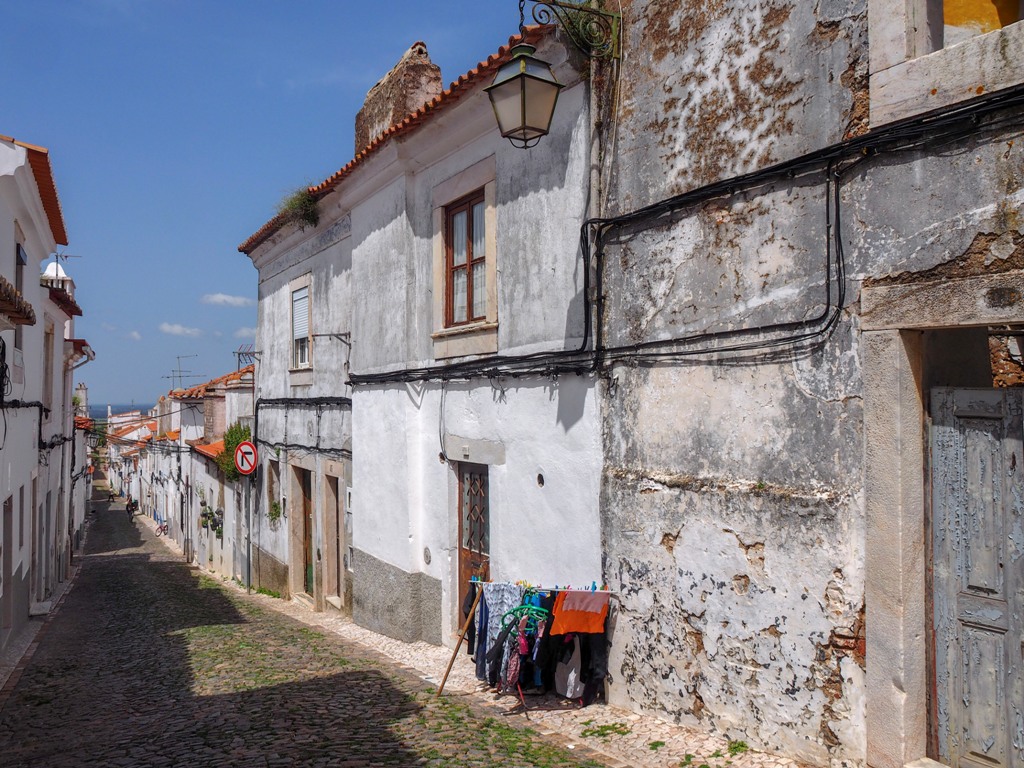
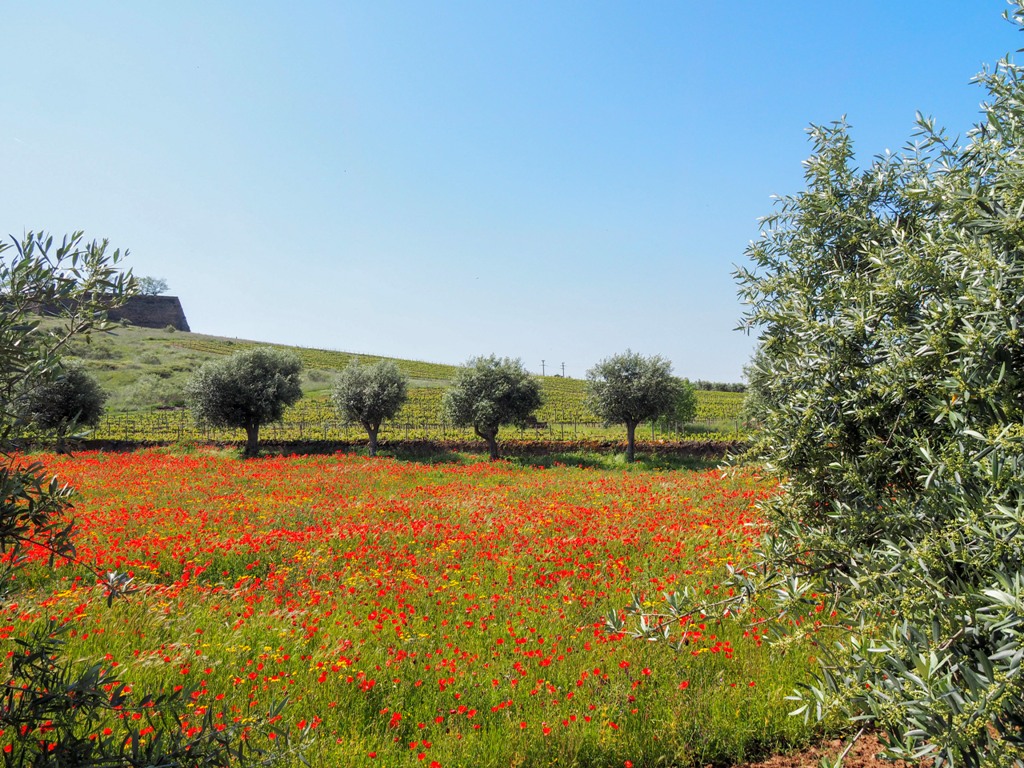
Sun-trenched, endless weeping plains, vast wheat fields, olive groves, cork oak and eucalyptus forests, whitewashed historic hilltop towns including UNESCO-listed Evora, Europe’s Capital of Culture 2017, along with sand dunes and huge white sandy beaches, rural and largely untouched Alentejo is widely recognized as Portugal’s breadbasket.
The region is home to nearly one third of Portugal’s wine production with a large number of historic and modern wineries.
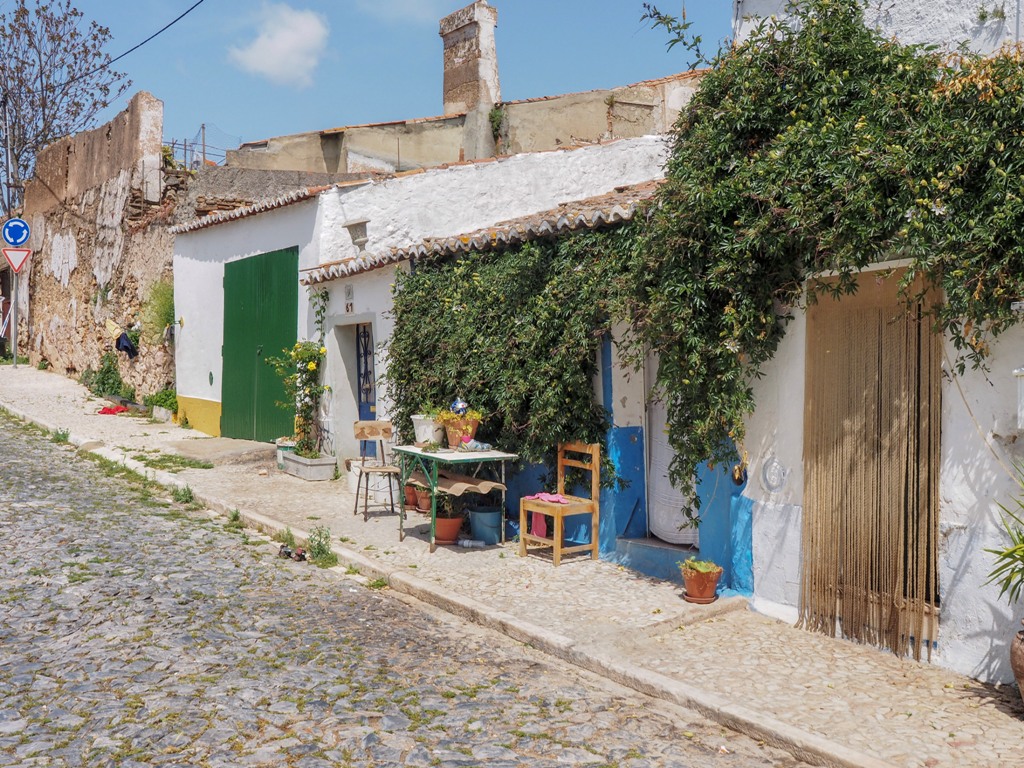
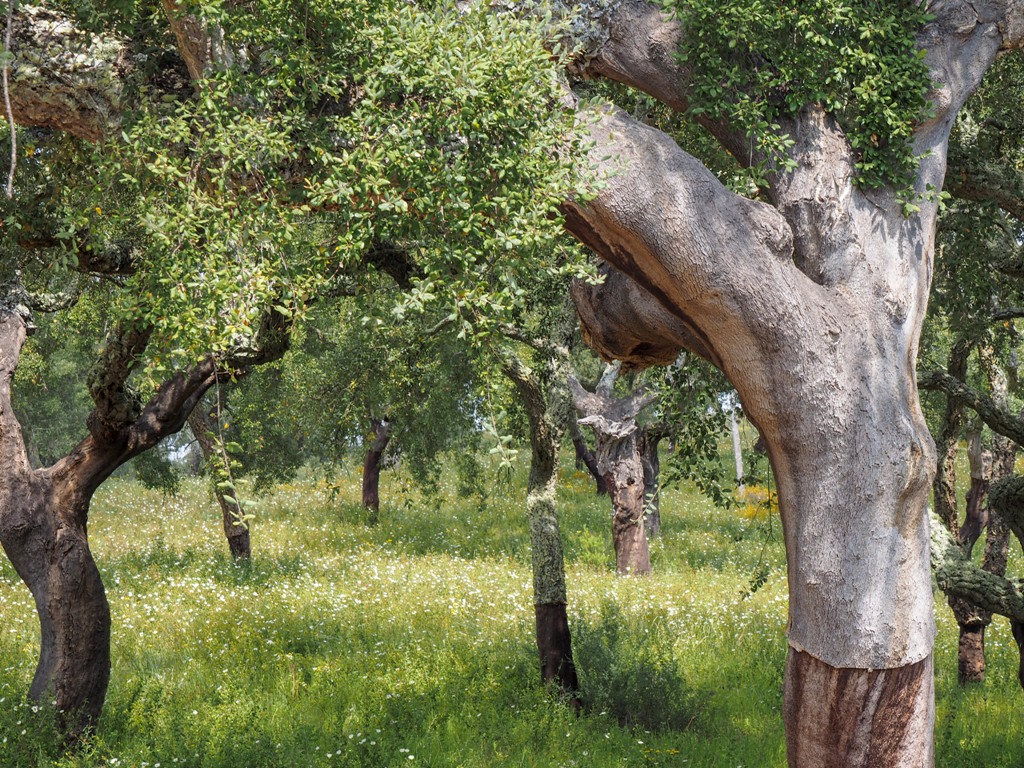
There is no shortage of amazing boutique hotels, often directly associated to local wineries.
Where is it located: The vast area, covering roughly one-third of Portugal stretched from just south of Lisbon all the way down to the Algarve.
How to get there: Your best option is driving from Lisbon as the vast rural area offers a very limited public transport network.
Main grape varieties: Red varieties include grapes like Aragonez, Alicante Bouschet, Alfrocheiro, Trincadeira and Touriga Nacional. White varieties include Antao Vaz, Arinto and Roupeiro
Wine styles: The Alentejo is a vast area spanning some 27,000 square kilometres, which means there are regional differences, in particular different types of soils. That said, the overall prevailing hot and dry climate is perfect for the production of intense red wines and most wines made in Alentejo display strong notes of fruit, are full bodied, concentrated and smooth. Most of the wines produced in the area are blends including native and international grape varieties.
Wineries to visit: Herdade da Malhadinha Nova, Adega Cartuxa, Adega Mayor, Quinta do Quetzal, Herdade do Sobroso, Herdade do Esporão, Quinta do Quetzal
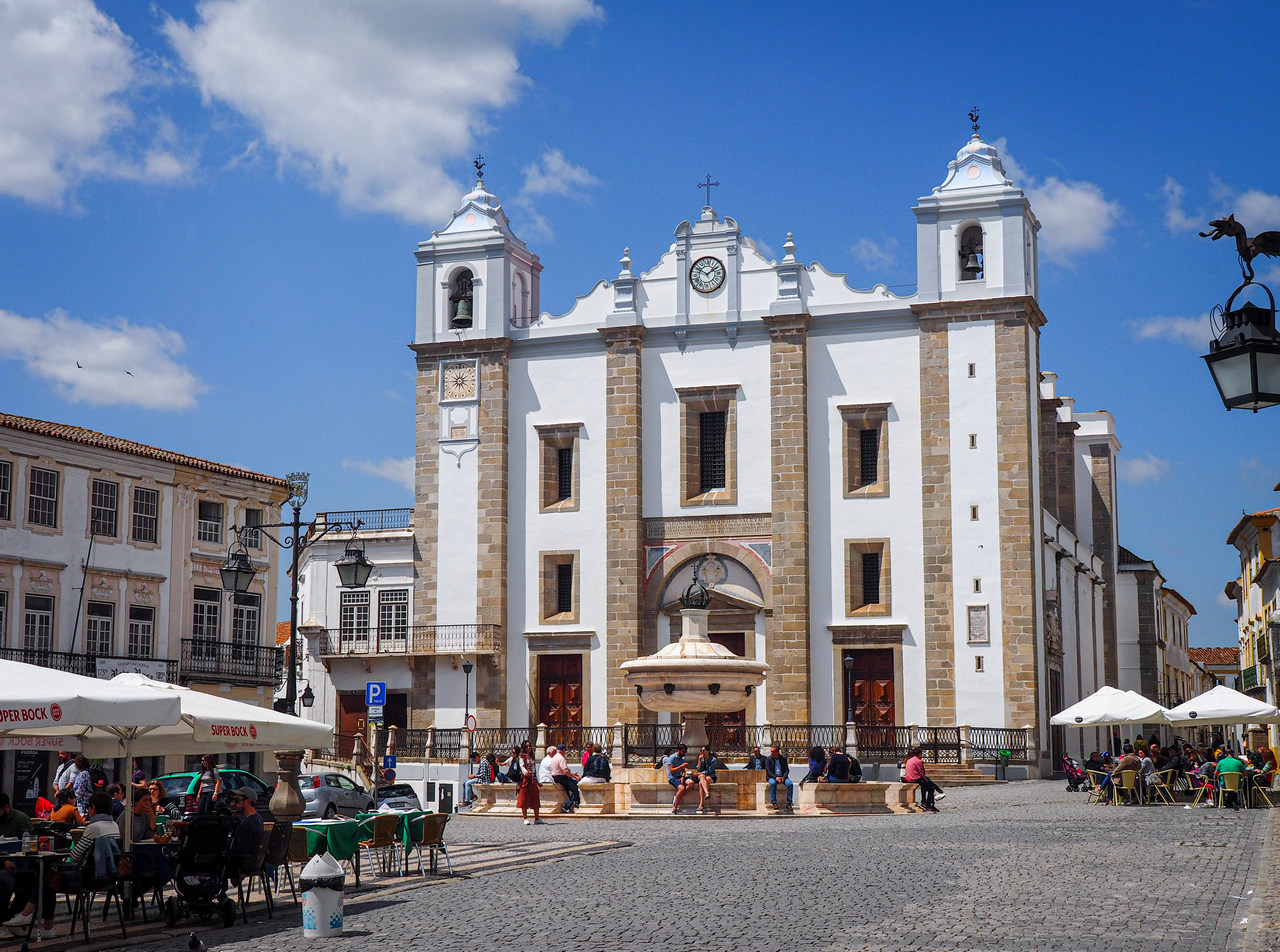
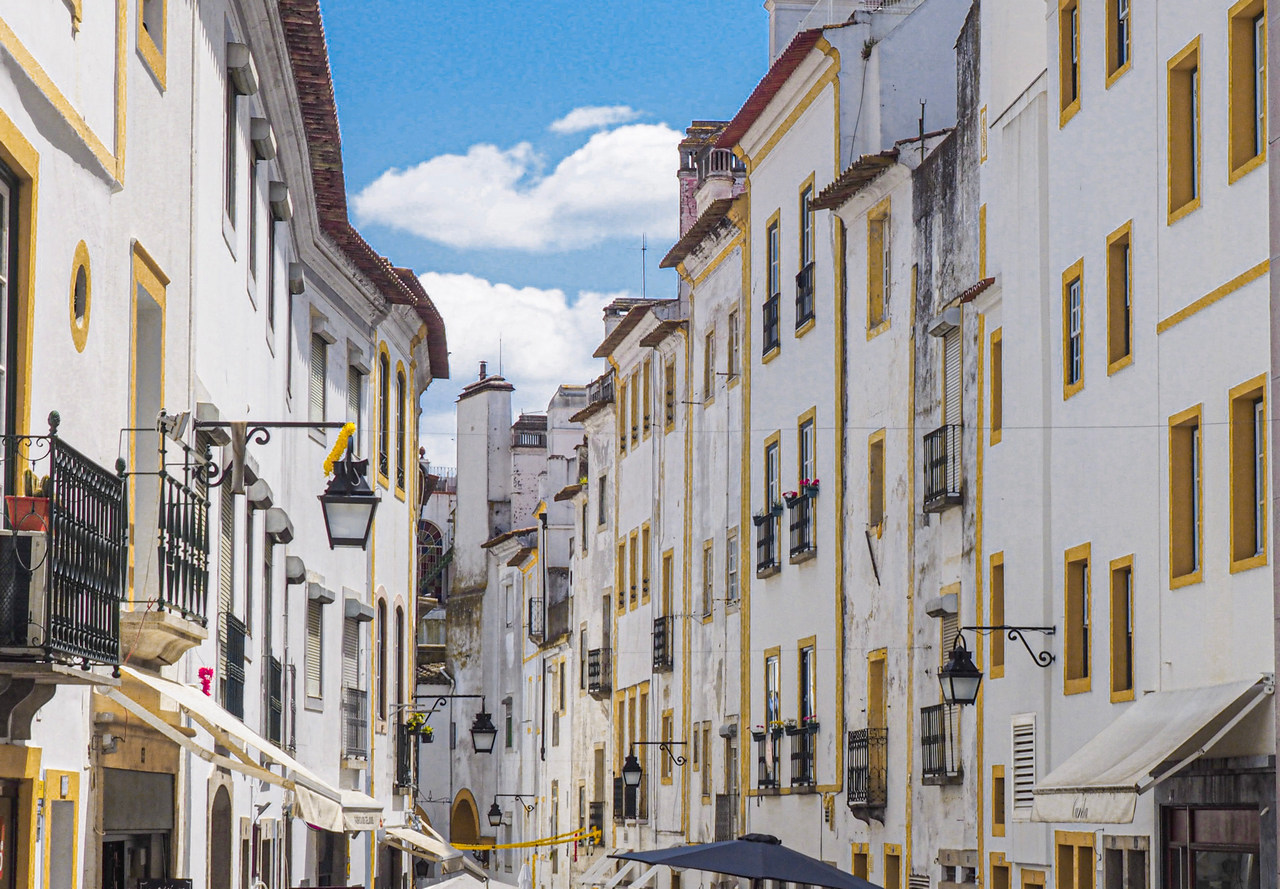

Attractions beyond wine: The vast region offers many historic villages, including the picturesque hilltop Monsaraz, fortified Marvão, and marble-rich Estremoz. Evora, the region’s capital city alone is worth planning a day or two. The UNESCO-listed historic core of Évora, still partly enclosed by medieval walls, boasts a mixture of Roman, Moorish, Gothic, and Baroque architecture. Among the many historic monuments and sites are the massive cathedral, many churches, convents, and old palaces lining beautiful squares and small cobble stoned streets. Don’t overlook the coastal areas spanning roughly 150km from the Sado Estuary to Zambujeira do Mar featuring dramatic cliffs, undeveloped sandy beaches, and fishing villages.
Best time to visit: Spring (April-May) offers mild weather and an abundance of wildflowers while autumn (September-October) means still pleasant temperatures and autumn hues along with grape harvest typically from late August through September.
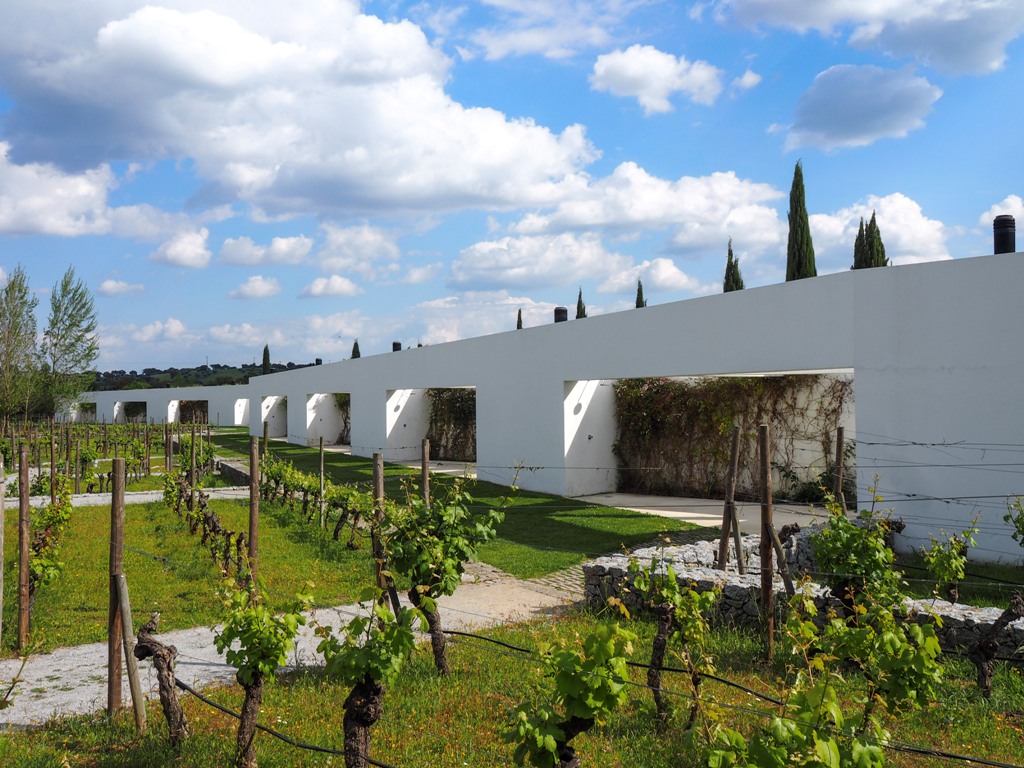
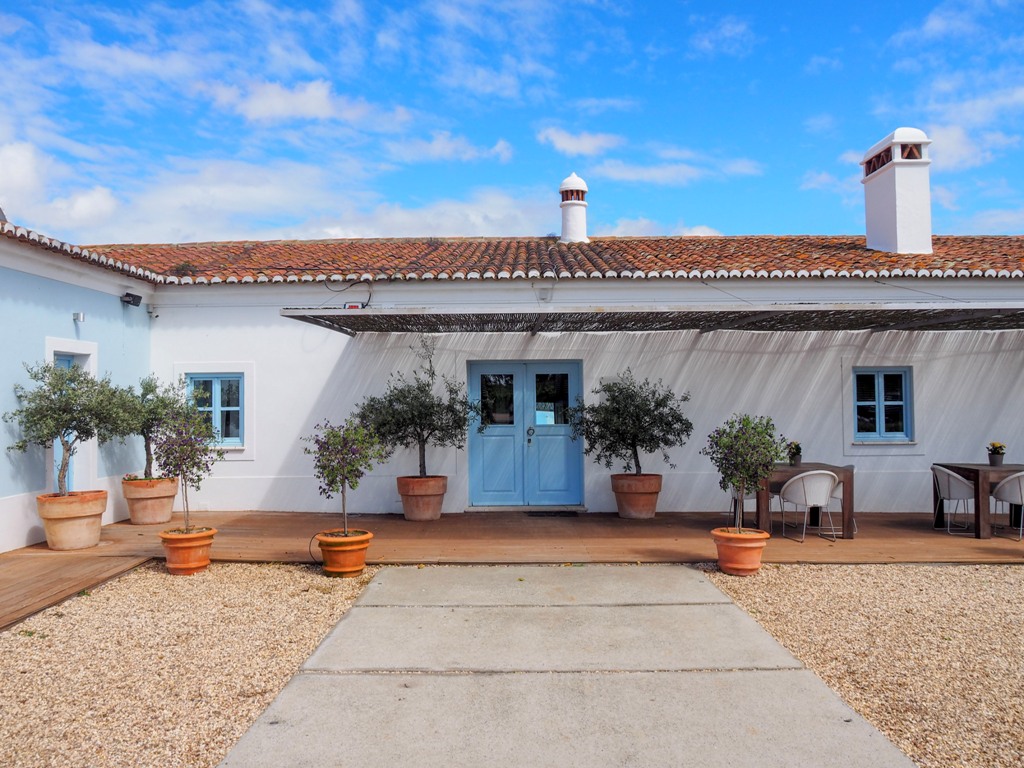
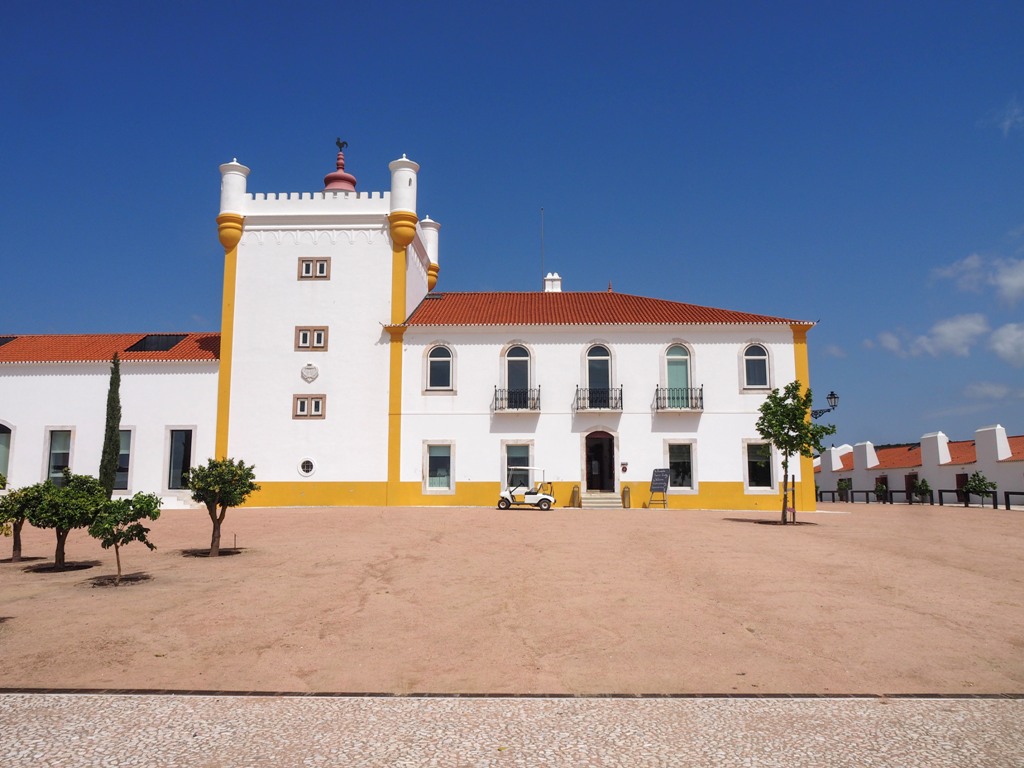
Where to stay: Herdade da Malhadinha Nova, Torre de Palma Wine Hotel, L’AND Vineyards, Convento do Espinheiro
Good to know: Most wineries offer wine tasting experiences, but it’s recommended to make appointments in advance even at the wineries offering official opening hours. Given the still low number of visitors, these hours often simply indicate the time when a visit can be arranged but does not necessarily mean the tasting room will be staffed throughout this time.
Algarve, the unknown wine destination beyond sandy beaches
Famous for its rugged coastline, wide sandy beaches, beautiful historic costal fishing towns and an outstanding dining scene, the Algarve is nonetheless still largely unknown as wine region. Yet the region’s four DOC areas Lagos, Portimão, Lagoa, and Tavira offer a great potential.
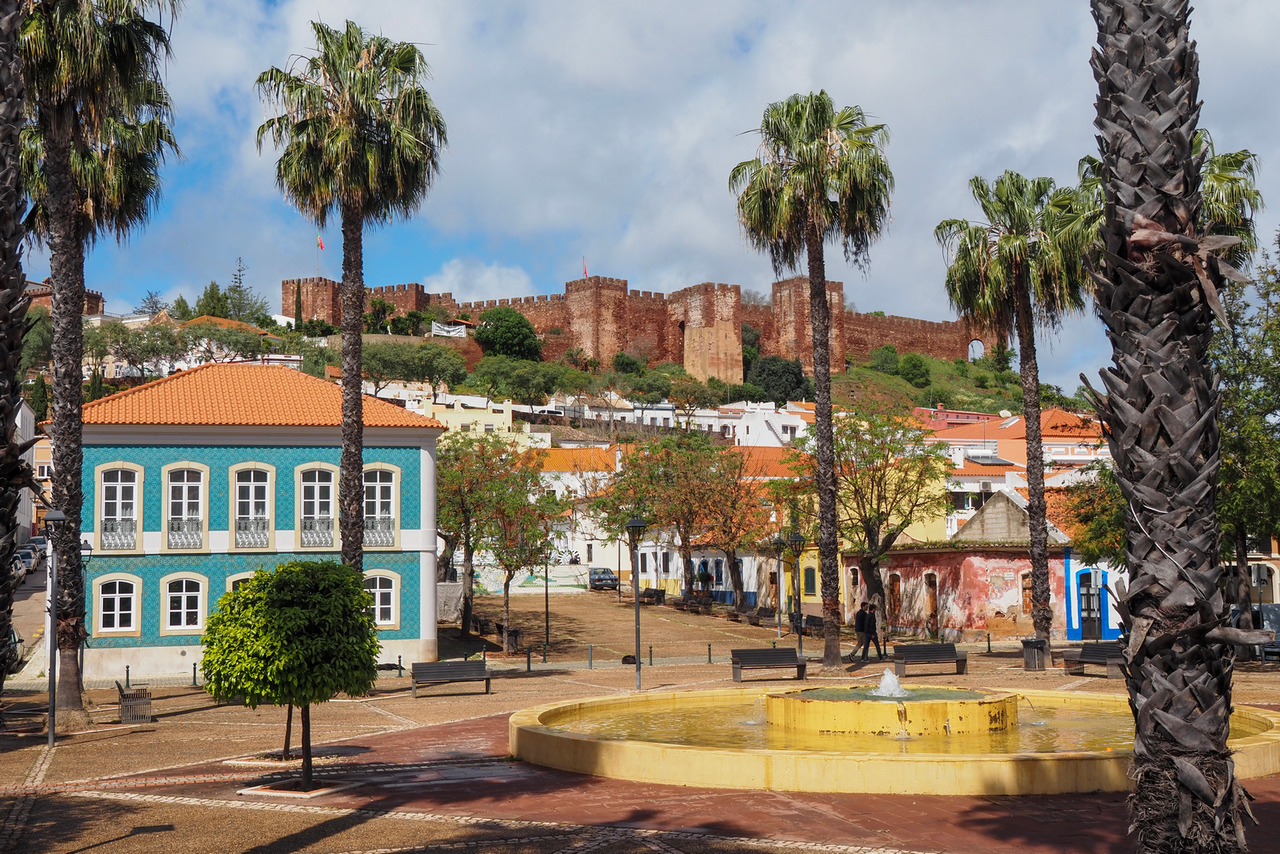
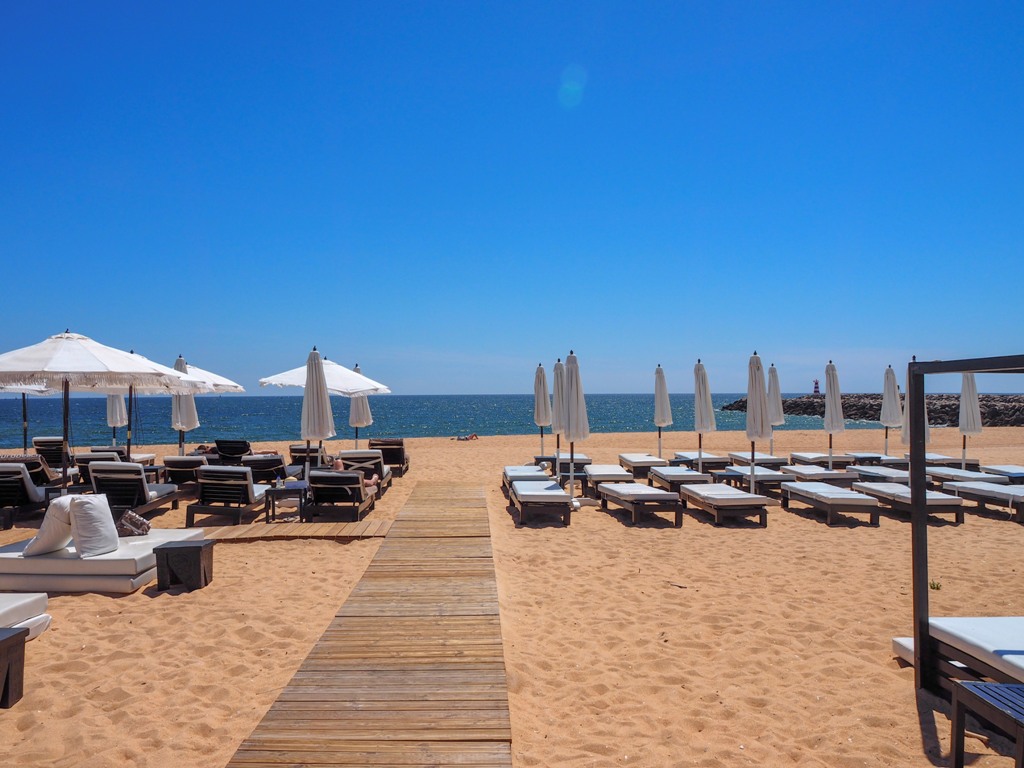
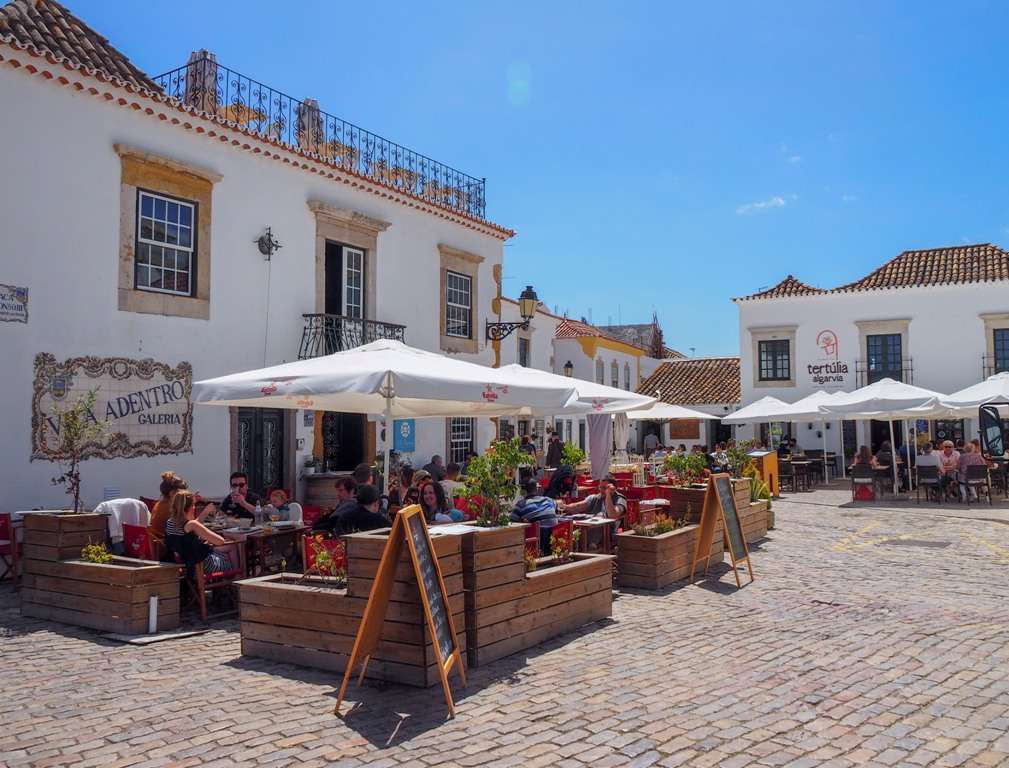
Most of the local Algarve wineries are located slightly inland in the area around Portimao and Albufiera. More precisely, most are found in and around the villages and towns of Estombar, Silves, and Lagos.
Where is it located: At the southernmost tip of Portugal.
How to get there: The best connection into the Algarve is Faro Airport from which the region is best explored by car.
Main grape varieties: Both white and red grapes are grown in the Algarve while local growing conditions particularly benefit red varieties. The most planted red grapes are Negra Mole, Trincadeira, Castelão and Touriga Nacional while Siria, Arinto, and Malvasia Fina are the leading white grapes.
Wine styles: The wines made in the Algarve range from fresh and light whites to full-bodied complex reds. In between these, there are excellent rosés, and you will even find some wineries making orange wine. And most have started to make sparkling wines as well.
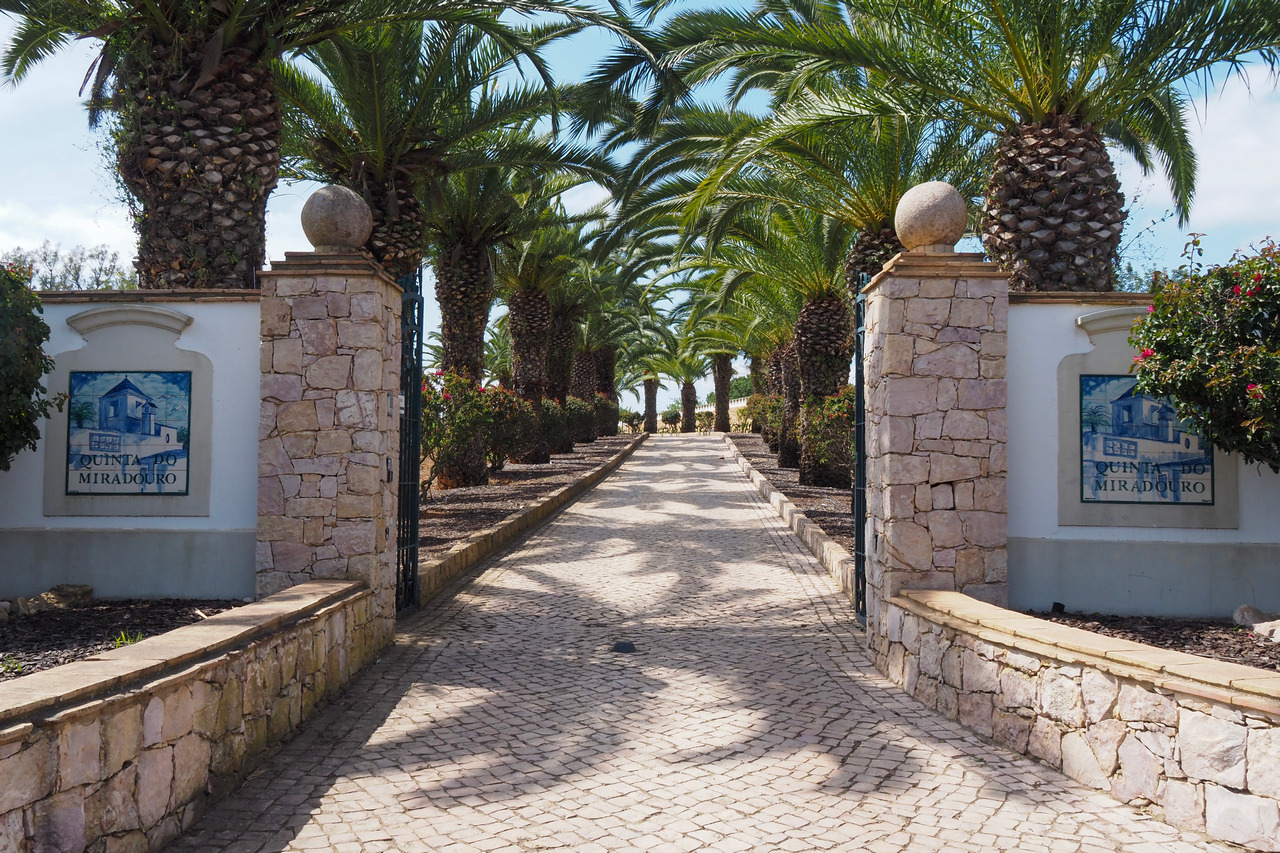
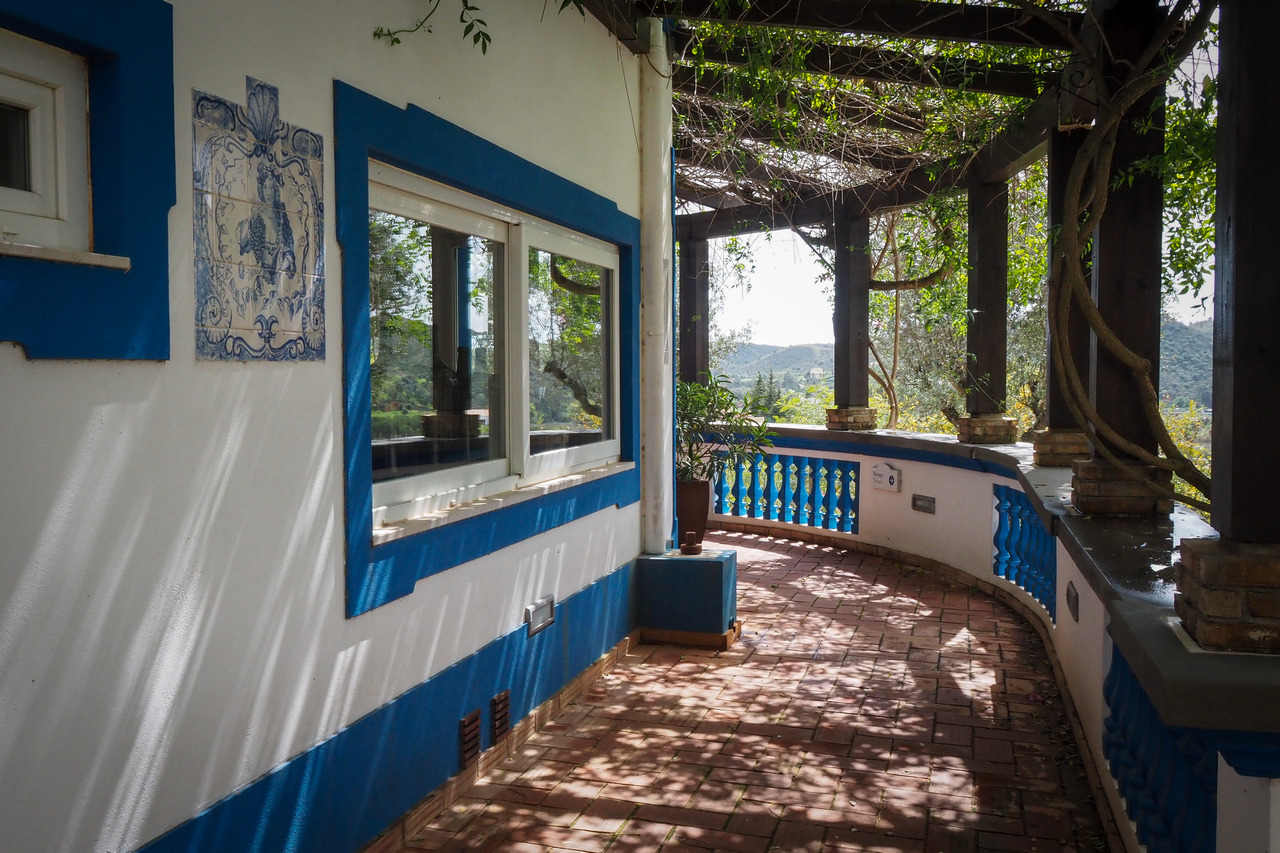
Wineries to visit: Adega do Cantor – Quinta do Miradouro, Quinta do Frances, Cabrita Wines, Convento do Paraiso, Quinta dos Santos
Attractions beyond wine: From the beautiful beaches, rugged coastline, whitewashed coastal towns, the many local golf courses, and fantastic local food (from west to east there is a total of eight Michelin-star restaurants), there is a lot to discover.
Best time to visit: With around 300 days of sunshine each year, the Algarve is a year-round destination. That said, winter months can be rather stormy and thus feeling cold. Shoulder season (from end of March to mid to end-June and September to October) is ideal.
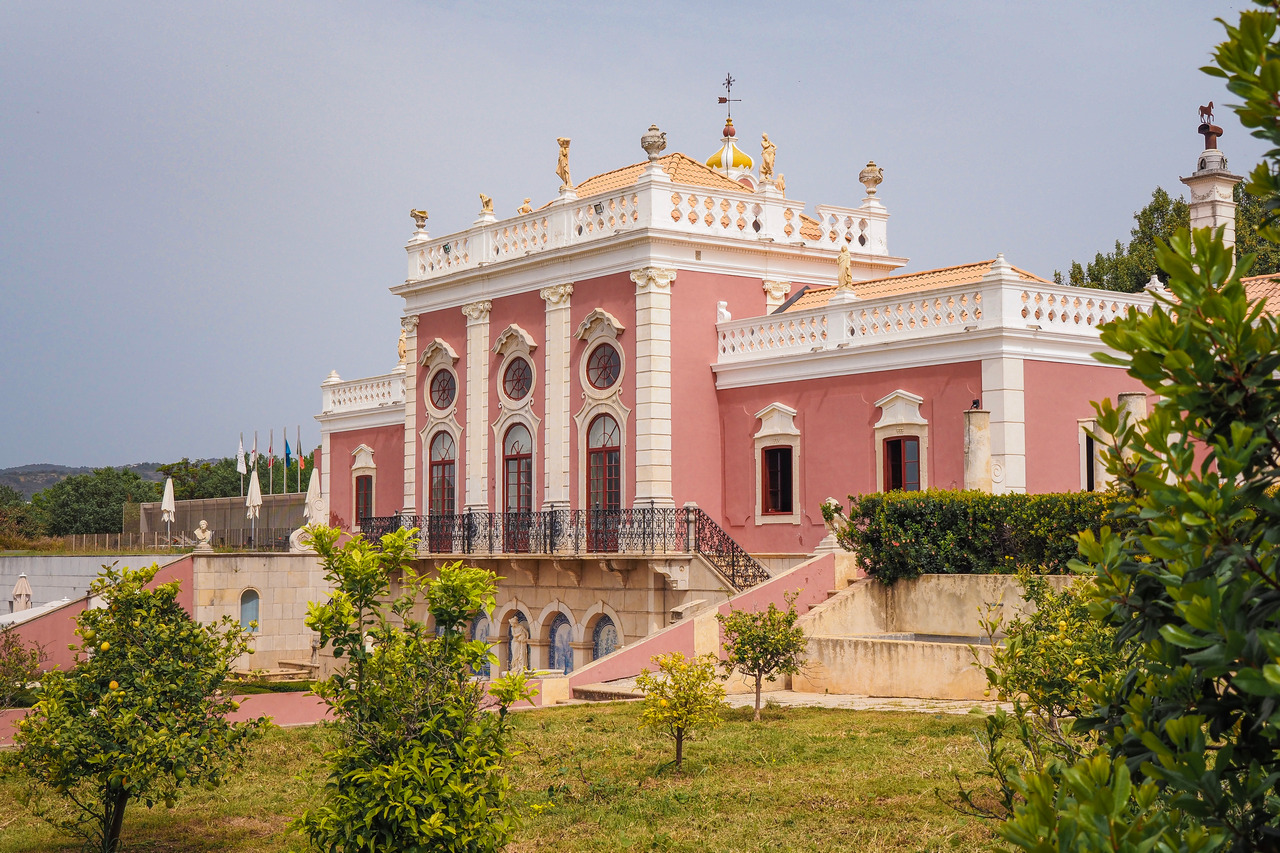
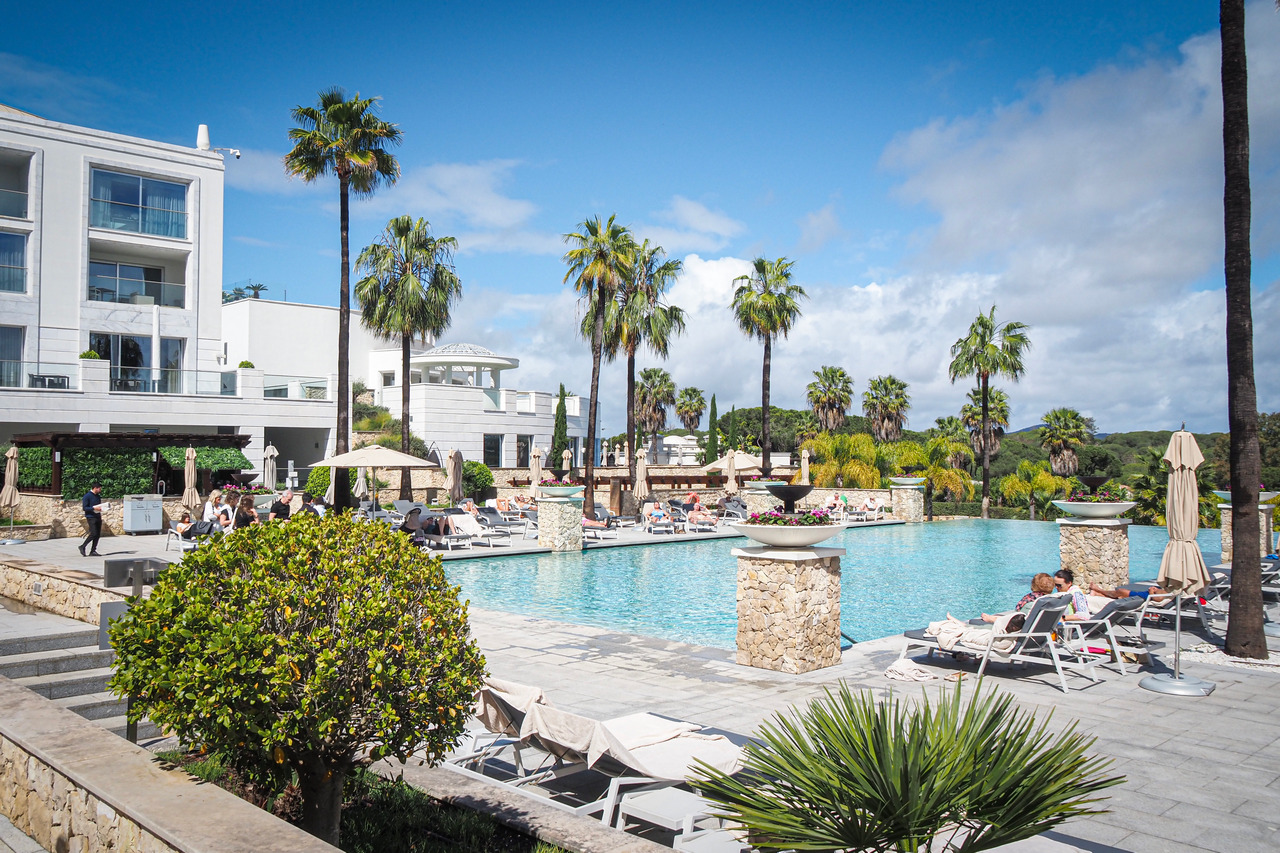
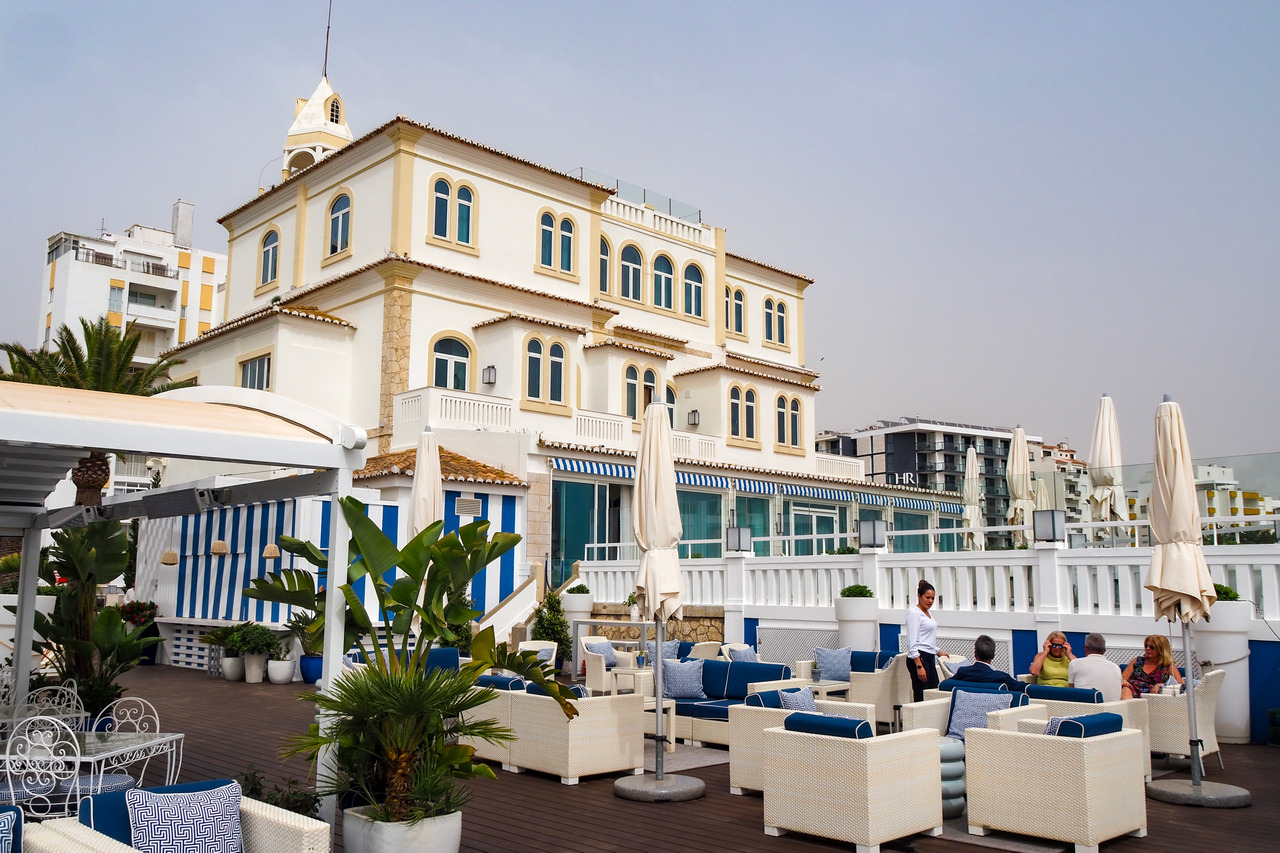
Where to stay: Many upscale resorts, villas and boutique hotels will turn your stay into a real bliss. Check out my post 5 unique luxury hotels for your next trip to the Algarve.
Good to know: The region is still in its early stages and wineries are often tricky to locate, so don’t count on your GPS, come equipped with Google maps directions. Also, make sure to consult opening times and ideally make reservations in advance.
Are you ready for a wine-themed trip to Portugal exploring the country’s famous and less famous wine regions from north to south? Then get started with these five regions for an outstanding introduction to Portuguese wines. But off course, each of the other official wine regions is well worth a visit as well.
 Carrots and Tigers