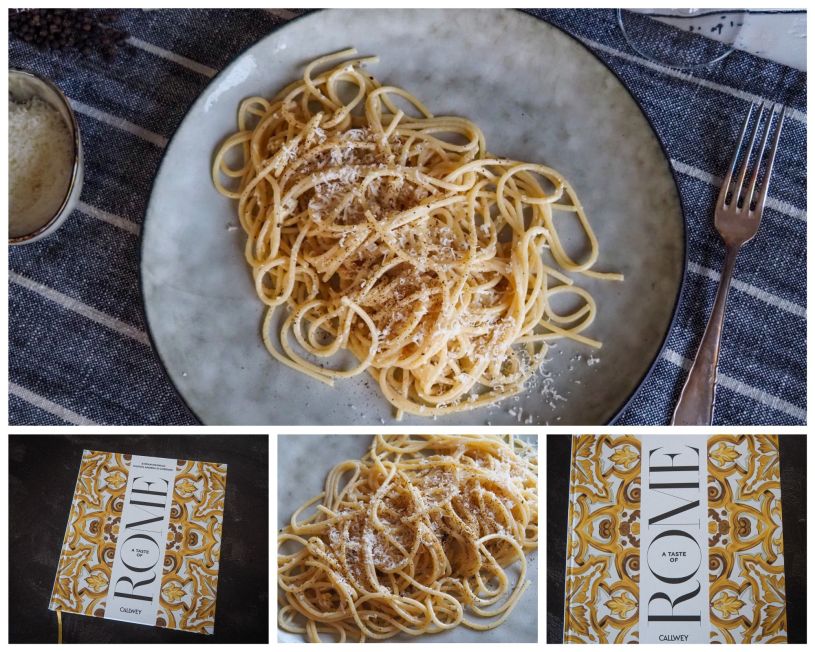
Discover the four classic Roman pasta dishes you must try the next time you visit the eternal city.
Pasta is a cornerstone of Italian cuisine, and while it is widely popular around the world, pasta always seems to taste better in Italy than anywhere else. Pasta is the first dish I will order each time I return to Italy, regardless of where exactly that might be.
Which excitedly leaves me with a wide range of possibilities. Because, the truth is, there is no traditional Italian pasta dish. There are only regional pasta dishes, and even these can vary from place to place in the same region.
While you can now order several widely popular pasta dishes anywhere in Italy, particularly those internationally well-known ones, it is well worth knowing the local classics. Because nowhere else will you get them served with the same level of perfection and dedication to the original recipe then in the place where they were invented (or at leased made popular).
That said, there is one common trait all Italians agree with. The best pasta dish is simple and made with only few, local, high-quality ingredients. Examples of simple – yet truly delicious – pasta dishes requiring only a minimum of ingredients exist throughout Italy. Pasta al Pomodoro (tomato sauce, garlic and basil), Spaghetti Aglio e Olio (garlic and oil), and Pasta Cacio e Pepe (cheese and pepper) are perfect examples.
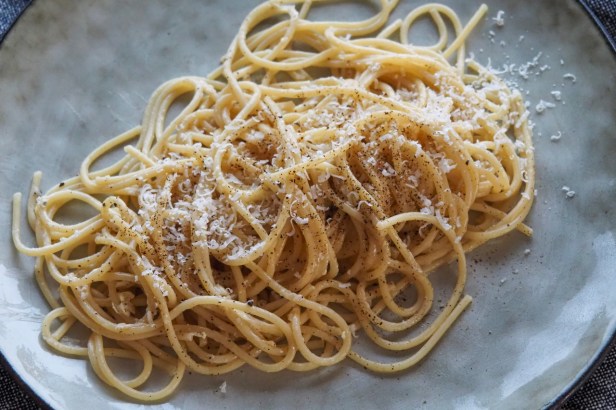
I originally thought to put together a list of traditional regional pasta dishes around Italy, to help you to pick the must-try dishes in each of the 20 regions. However, since there are usually several regional favourites, that list would likely go out of hand. So, I am starting with one of my very own favourite destinations, which by chance is also home to some of my favourite pasta dishes.
If you’d ask me, the eternal city is a destination anybody needs to see at least once. And like each destination in Italy, it has its own long and rich culinary heritage and tradition.
There is of course more to the Roman cuisine than pasta, though should you plan to visit, don’t miss these iconic pasta dishes.
There are four of them, often referred to as the ‘holy trinity’ of Roman pasta dishes. Rich carbonara, the perhaps best known of the four, creamy cacio e pepe, bold tomato-based amatriciana and the mostly lesser-known gricia.
So, when visiting Rome the next time, these four iconic pasta dishes are certainly a must-try. All use only few ingredients and can be easily described as variations of each other by adding or changing one or two of these ingredients.
Spaghetti alla Carbonara
Let’s make it clear from the very start, there is no cream in spaghetti carbonara. I repeat, there is no cream in spaghetti alla carbonara. Not if you want to taste the real thing, and certainly not when in Rome.
The dish is prepared with pasta tossed with eggs, Pecorino Romano cheese, crispy, fatty cured pork (guanciale), and plenty of black pepper. The omission of cream notwithstanding, the dish features a rich, creamy sauce created on hot pasta water turning the eggs into a silky, emulsified sauce.
While carbonara features among the four most popular Roman pasta dishes and is often considered to be one of the traditional pasta dishes of the Lazio region, it is a rather recent addition to the other three. Likely invented in the mid-20th century, legend has it the dish was created in 1944 after the liberation of Rome when American soldiers brought bacon and eggs to the city.
Cacio e pepe
With only three ingredients – cheese, black pepper and pasta – this is the most minimalist pasta dish you can imagine.
While it sounds simple, making a plate of authentic cacio e pepe worthy of the name comes down to a meticulous preparation. The creamy texture is achieved by mixing finely grated cheese with hot, starchy pasta water, which melts the cheese without clumping.
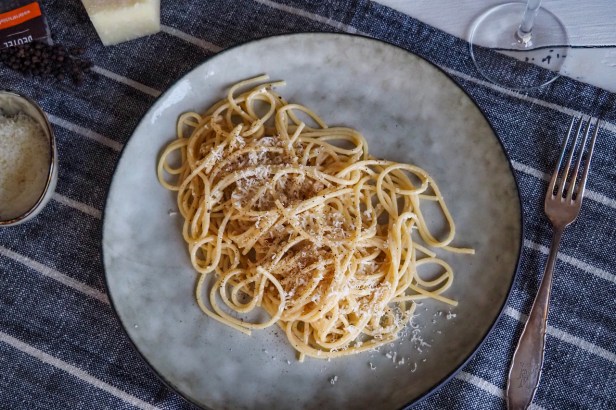
The result is a sharp, salty, and cheesy pasta dish, with a warm, spicy kick from freshly toasted black pepper.
The humble dish used to be popular with Roman shepherds as they only had to carry a minimum of dried ingredients with them which thus would keep well over a long time. This meant, the dish could be easily prepared nearly anywhere when they were travelling with their herds.
It remains one of the most popular pasta dishes in the Lazio region and has gained its fair share of fame even beyond the Italian border. While it is often served with spaghetti or bucatini, in Rome, the dish is usually made with tonnarelli, a type of egg-based pasta that is thicker than the classic spaghetti.
Pasta alla Gricia
Often called the white amatriciana (see below why) or a simpler version of carbonara, the rustic dish could also be described of a ‘meaty’ variation of cacio e pepe due to the addition of pork. Apart from this, it shares the same ingredients.
Gricia is considered the predecessor of both amatriciana and carbonara, invented by Roman shepherds before the arrival of tomatoes in Italy, and is typically served with rigatoni.
The dish features an intense, salty, fatty, and aromatic taste.
Pasta all’Amatriciana
Pasta amatriciana features a savoury, slightly spicy blend of cured pork cheek (guanciale), San Marzano tomatoes, chili flakes and Pecorino Romano cheese.
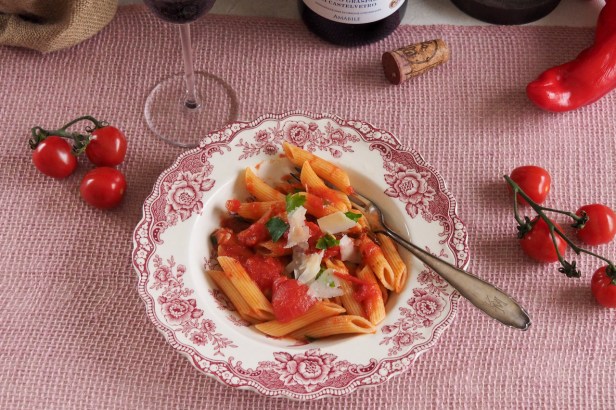
Originally from the town of Amatrice, where it was invented in the 17th century by adding tomato sauce to the already popular Pasta alla Gricia, distinguished by a slightly smoky, tangy, and spicy flavour.
Locally, amatriciana is often served with bucatini pasta instead of spaghetti.
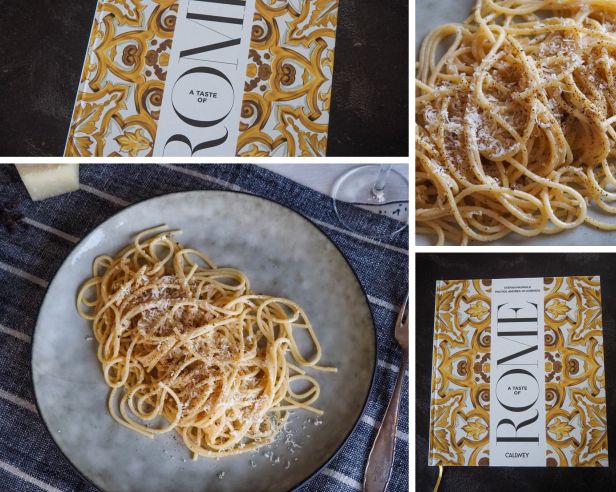
Save this post for the next time travelling to Rome; and make sure to order these iconic pasta dishes during your stay.
 Carrots and Tigers