No visit to Vienna is complete without exploring the local coffee house culture. Here is a list of the most impressive historic coffee houses and the local styles of coffee to ask for.
Before the Internet and social media has converted coffee shops around the world into the new office for many – and I am not talking influencers only – the traditional old world coffee houses already used to be the home of artists, writers, politicians and those that wanted to see and to be seen.
Vienna is one of the places perhaps most famous for its historic Coffee House tradition, though it is by far not the only European city boasting an exciting coffee heritage. Under-the-radar coffee destinations like Trieste and Turin should clearly be on the coffee-enthusiastic traveller too.
But back to Vienna. Coffee in Vienna is a tradition so much ingrained in the local culture that in 2011 UNESCO declared it “Intangible Cultural Heritage”. What this means becomes clear as soon as you step through the doors of the city’s traditional Coffee Houses. Inside, it very much feels like stepping back into the 19th century with interiors featuring high ceilings, bentwood Thonet chairs, plush upholstered alcoves, and ornate chandeliers.
So, without much discussion, no visit to Vienna is complete without a little Coffee House crawl, ordering a cup of Wiener Melange, a Verlängerter or Einspänner (more on that later).
What you might not know is that Vienna’s Coffee Houses do not only serve coffee and cakes. Usually, you will be served everything there from breakfast to snacks, lunch and dinner, and you can expect a long list of different types of coffee.
What to ask for when ordering coffee in Vienna
With a huge number of international tourists visiting the Austrian capital each year, staff at the famous Coffee Houses usually manages to handle orders very well without you knowing the local coffee slang. But just in case, the next time visiting one of the local cafés, why don’t you make an attempt ordering like the Viennese do.
Wiener Melange (or simply Melange): A mixture of espresso and steamed milk, usually topped with a dollop of lightly whipped cream.
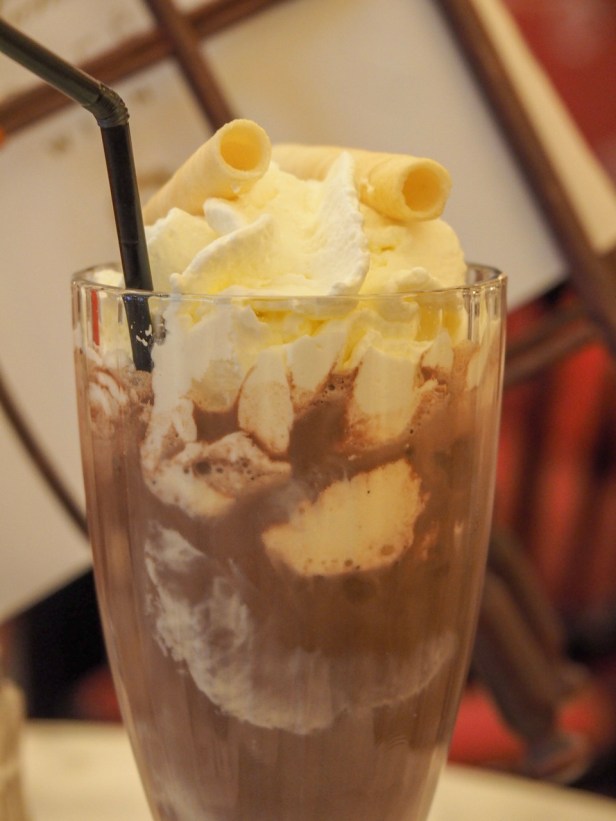
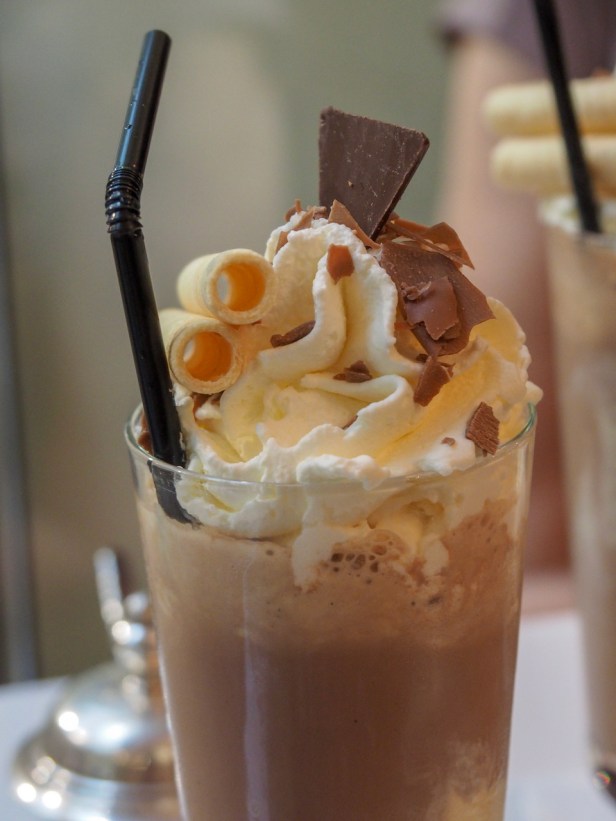
Einspänner: A large espresso topped with a generous layer of whipped cream. The drink is usually served in a glass instead of a mug.
Verlängerter: A single or double espresso diluted with hot water, similar to but not quite an Americano. It is often served with cream or milk on the side.
Kleiner/Großer Brauner: A single (kleiner) or double (großer) espresso or alternatively strongly brewed coffee served with a small jug of milk or cream on the side to allow building the desired shade of brown.
Kleiner/Großer Schwarzer: A single (kleiner) or double (großer) black espresso or strongly brewed coffee served without cream or milk.
Kapuziner: A single or double espresso with a few drops of cream topped with a dollop of whipped cream. The name is derived from the brownish colour of the espresso (due to the milk) which resembles the robes of Capuchin friars.
Fiaker: Named after Vienna’s famous horse carriage drivers called Fiaker, the coffee consists of a single or double espresso which is heavily sweetend, mixed with a generous short of rum or brandy and topped with whipped cream.
Überstürzter: Similar to the Einspänner but served in a unique way and usually prepared at the table. Whipped cream is placed in the cup first, and hot espresso is poured over it. The espresso will slowly mix with the whipped cream, providing a strong, intense flavour.
Pharisäer: Essentially the Austrian version of Irish Coffee.
Maria Theresia: Espresso spiced up with orange liqueur and whipped cream.
6 must-visit historic Viennese Coffee Houses
Below, I have listed six of Vienna’s must-visit historic Coffee Houses for your next visit to the Austrian capital.
Café Sacher
Philharmoniker Strasse 4
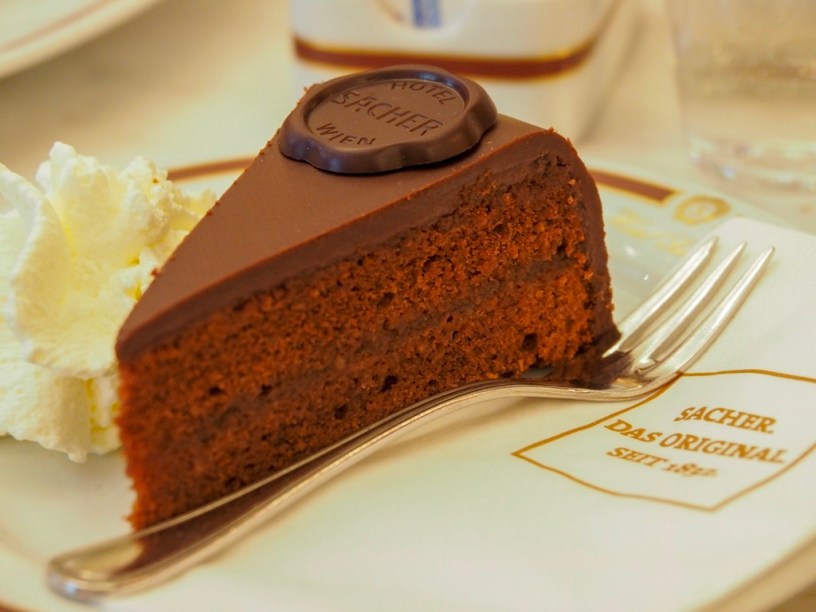
There is no doubt that you need to visit the home of the famous Sachertorte; though the cake was created well before the café itself. In case you are not aware of the story, the famous Austrian chocolate cake was created in 1832 by apprentice chef Franz Sacher in Vienna for Prince Metternich after the primary court pastry chef fell ill.
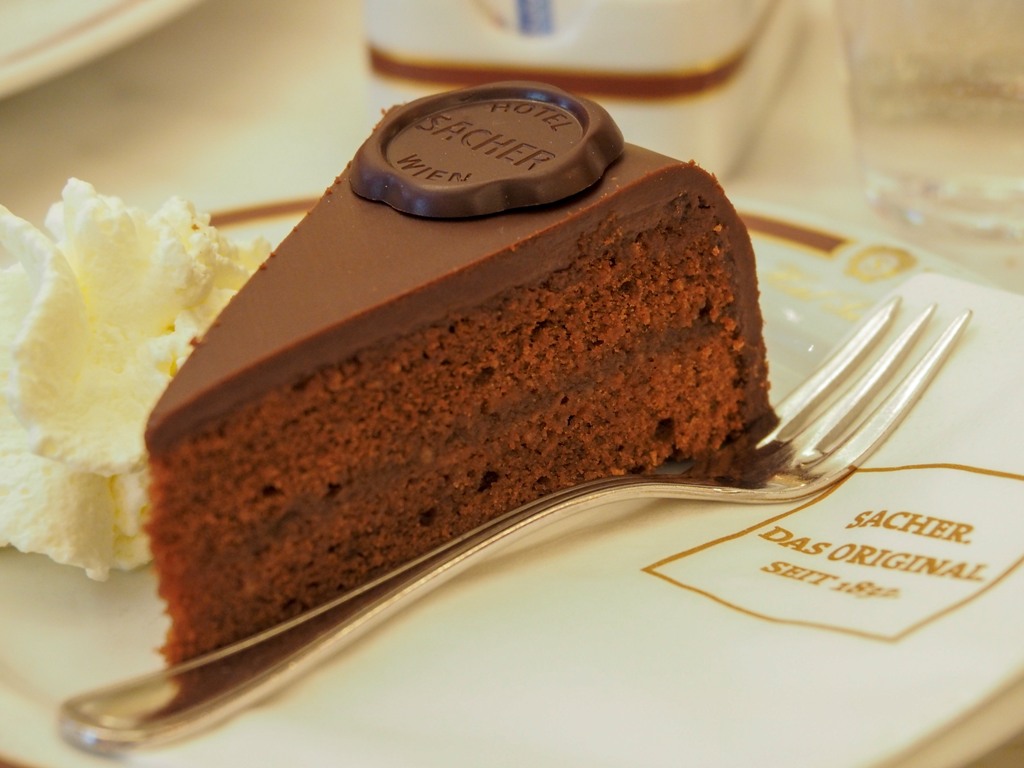
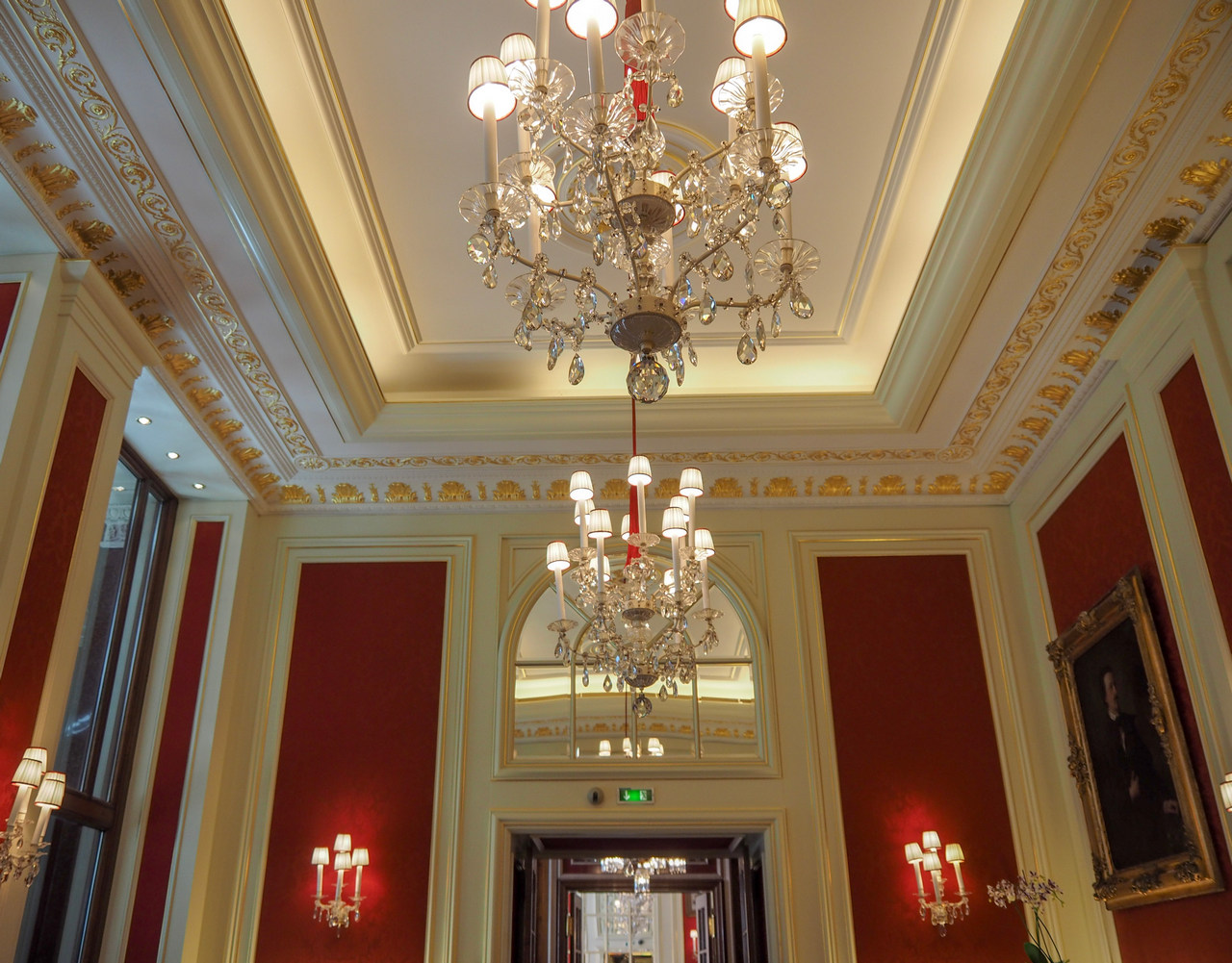
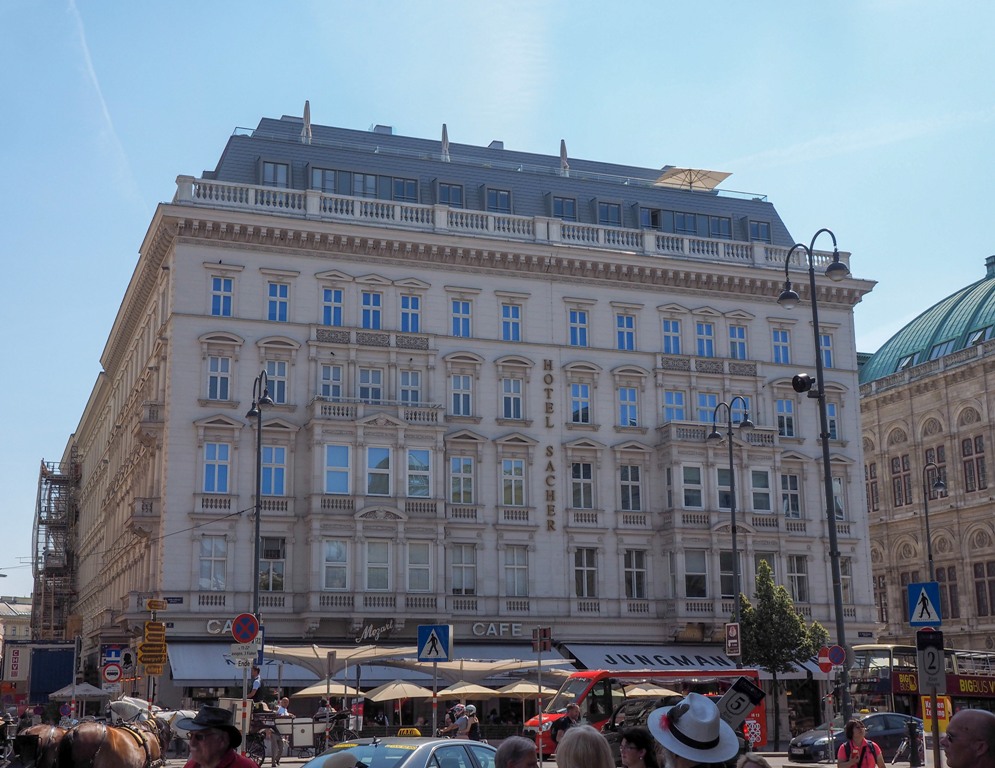
Café Sacher, which was founded by Franz’s son Eduard in 1876, is located inside Hotel Sacher just across the state opera in the centre of Vienna, only a short walk from Karlsplatz station. The café is almost impossible to miss with typically a large line forming at the entrance.
The interior of Café Sacher is very traditional and classic – you might even call it a bit stiff – featuring various smaller rooms filled with large mirrors and decorated with red velvet and huge chandeliers.
There are various delicious looking cakes on display in the middle of the main dining area. Go for what you want but this being Kaffee Sacher, I would always recommend making a tasting of the cake a priority.
It can get quite busy (and full of tourists) so do come during off hours if you want to avoid having to wait for a table.
Café Demel (or Demel Bakery)
Kohlmarkt 14
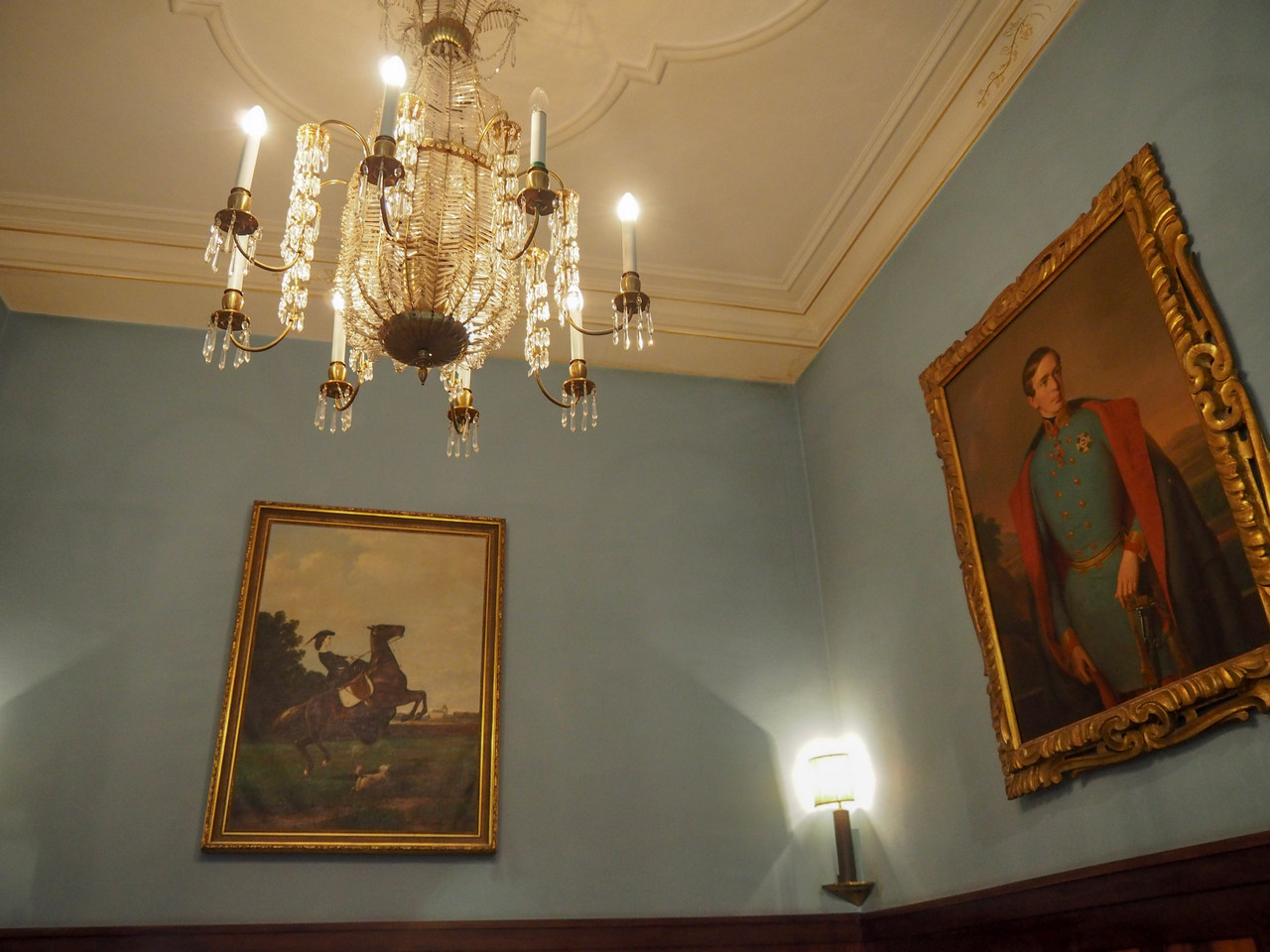
Located near Hofburg Palace, Café Demel is another of the legendary Viennese historic Coffee Houses, founded in 1786. Formerly credited a k.u.k. Hofzuckerbäcker (an imperial and royal pastry shop, meaning the bakery was a supplier to the royal court), Emperor Franz Joseph I. himself used to be one of the café’s many famous visitors.
Inside the cafe offers an elegant setting, with a stunning retail area downstairs and charming, old-world salons on the upper floor.
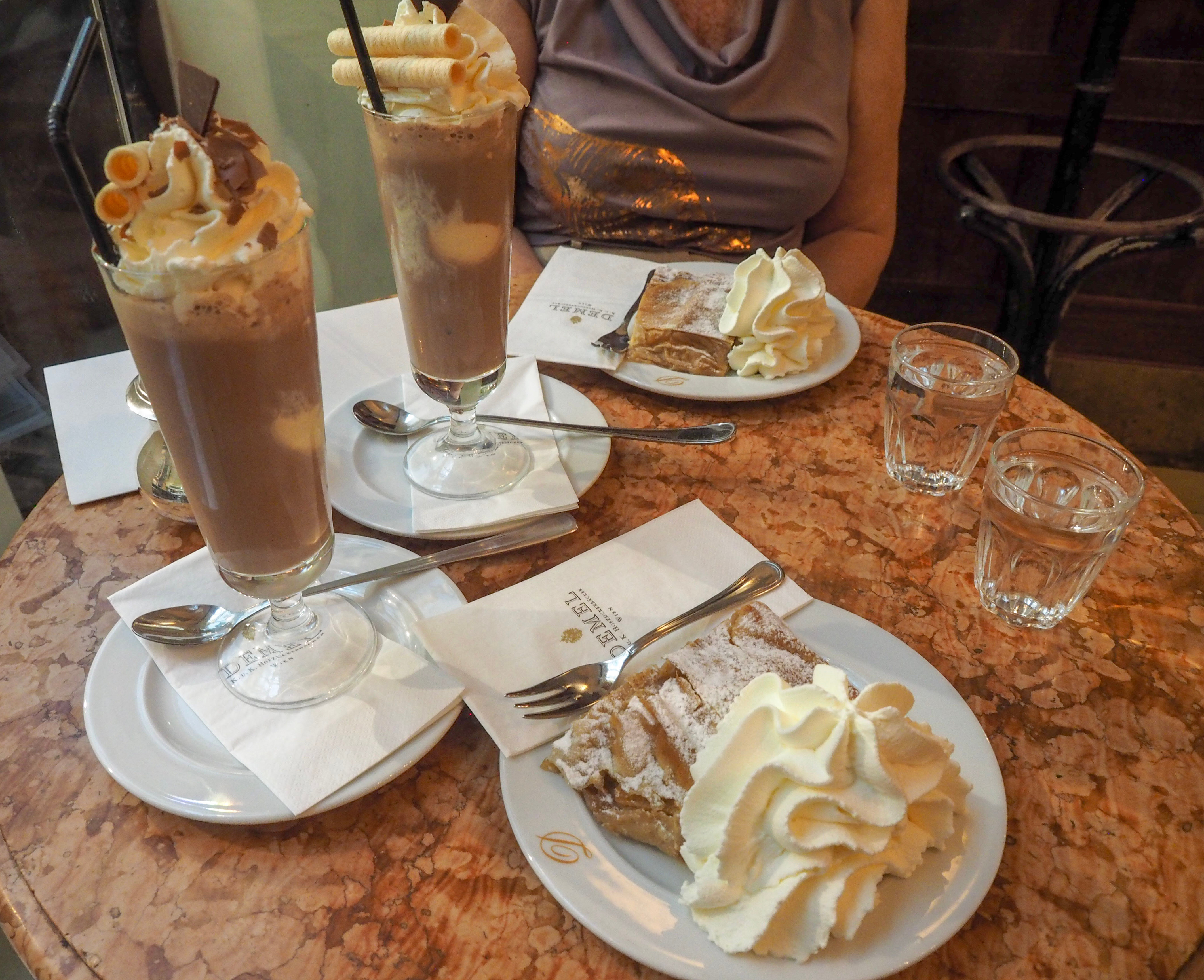
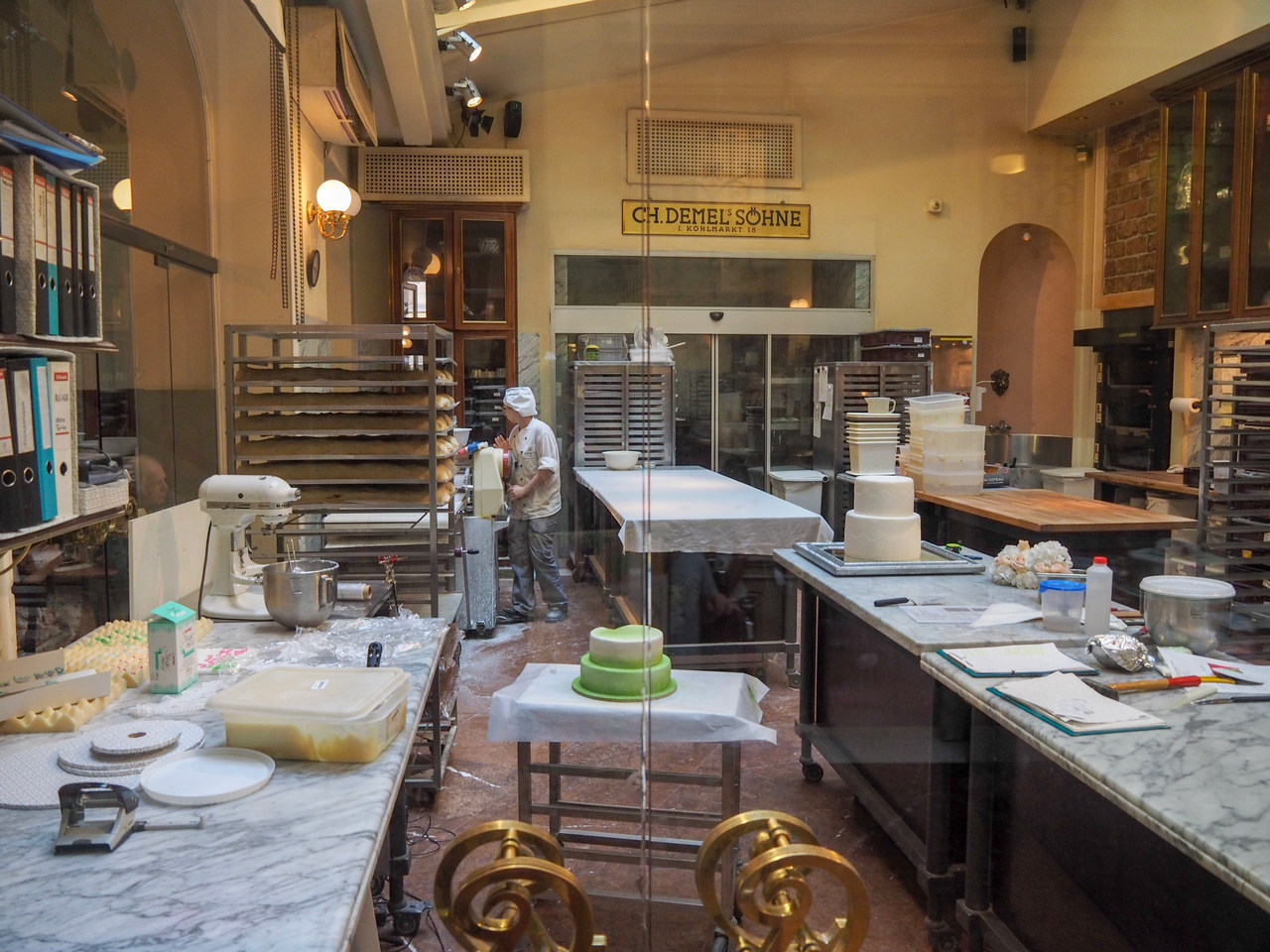
Demel Bakery is famous for its own version of Sacher Cake, and it once was involved in a ‘cake war’ with Café Sacher over the claim to serve the ‘original’ cake. The dispute was rooted in the fact that Franz Sacher’s son Eduard, who later founded Café Sacher, trained as an apprentice baker at Demel. The dispute was settled (at least officially) granting Café Sacher to call their version the ‘original’ while Demel uses the name Eduard-Sacher-Torte. What remains is the continuing dispute between guests divided into those preferring the original version and those preferring the Demel version, featuring only one layer of apricot jam instead of two at Café Sacher.
I could not tell which one I would prefer, as both versions are delicious, and mostly identical. Yet Demel baker features a wide variety of top-tier cakes, pastries, chocolates, and sweets so when visiting I am always happy to go for something alternative.
Demel Bakery is hugely frequented by local and international visitors, and it is not uncommon to see a long line forming in front of the entrance.
Café Imperial
Kärntner Ring 16
Located in the Grand Hotel Imperial, Café Imperial exudes a sophisticated, high-end luxury environment and traditionally has attracted international dignitaries, celebrities and artists.
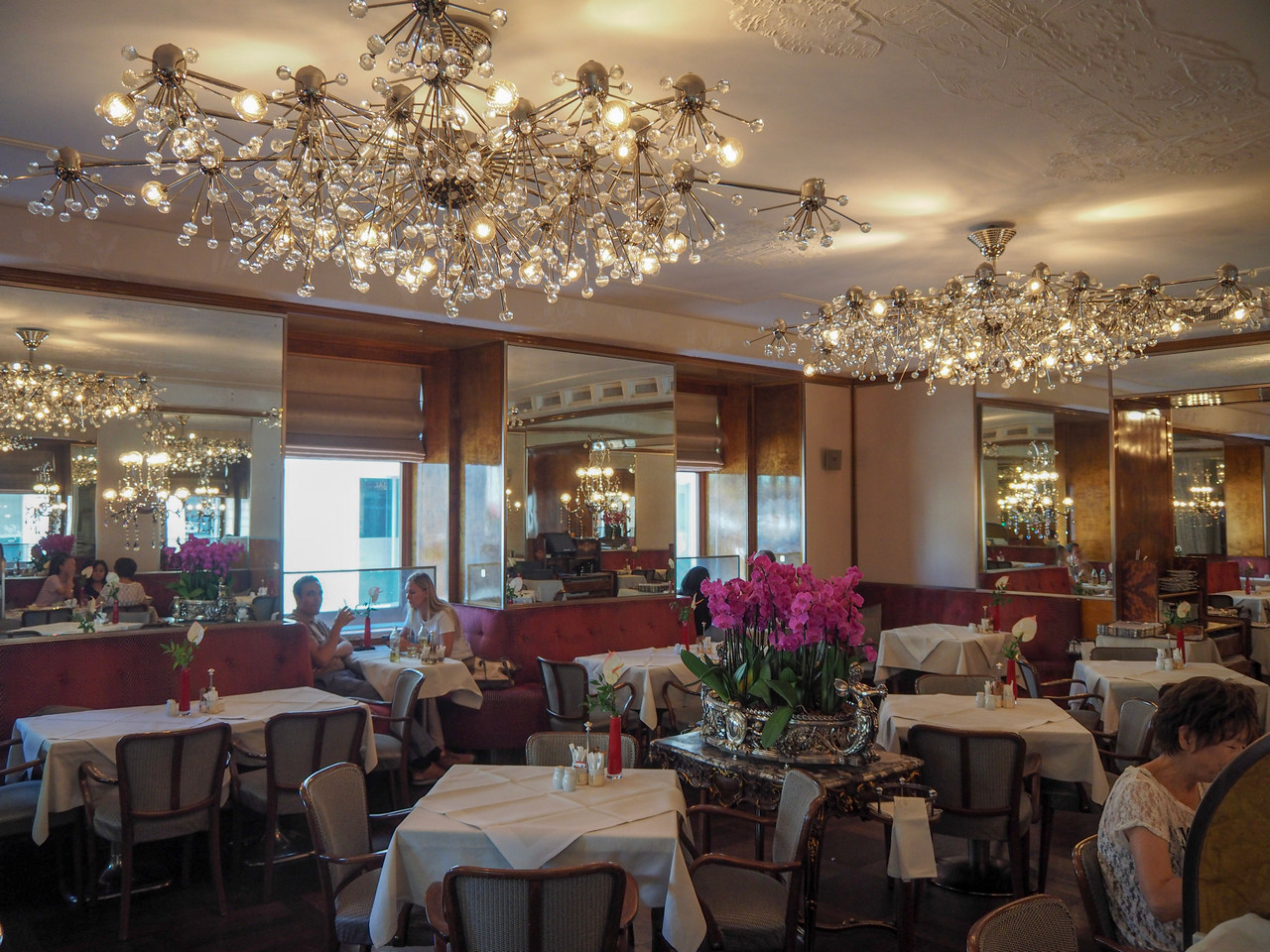
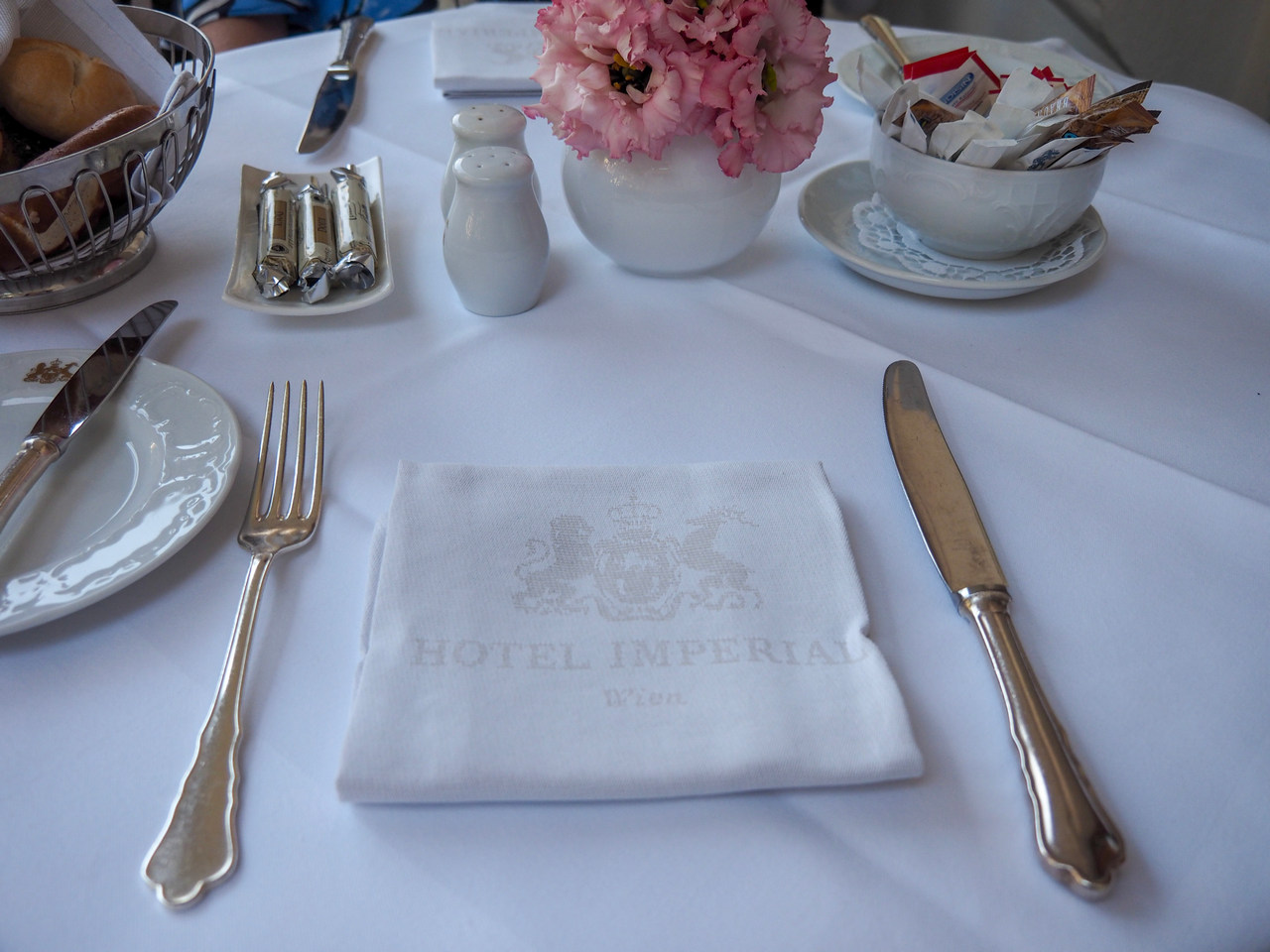
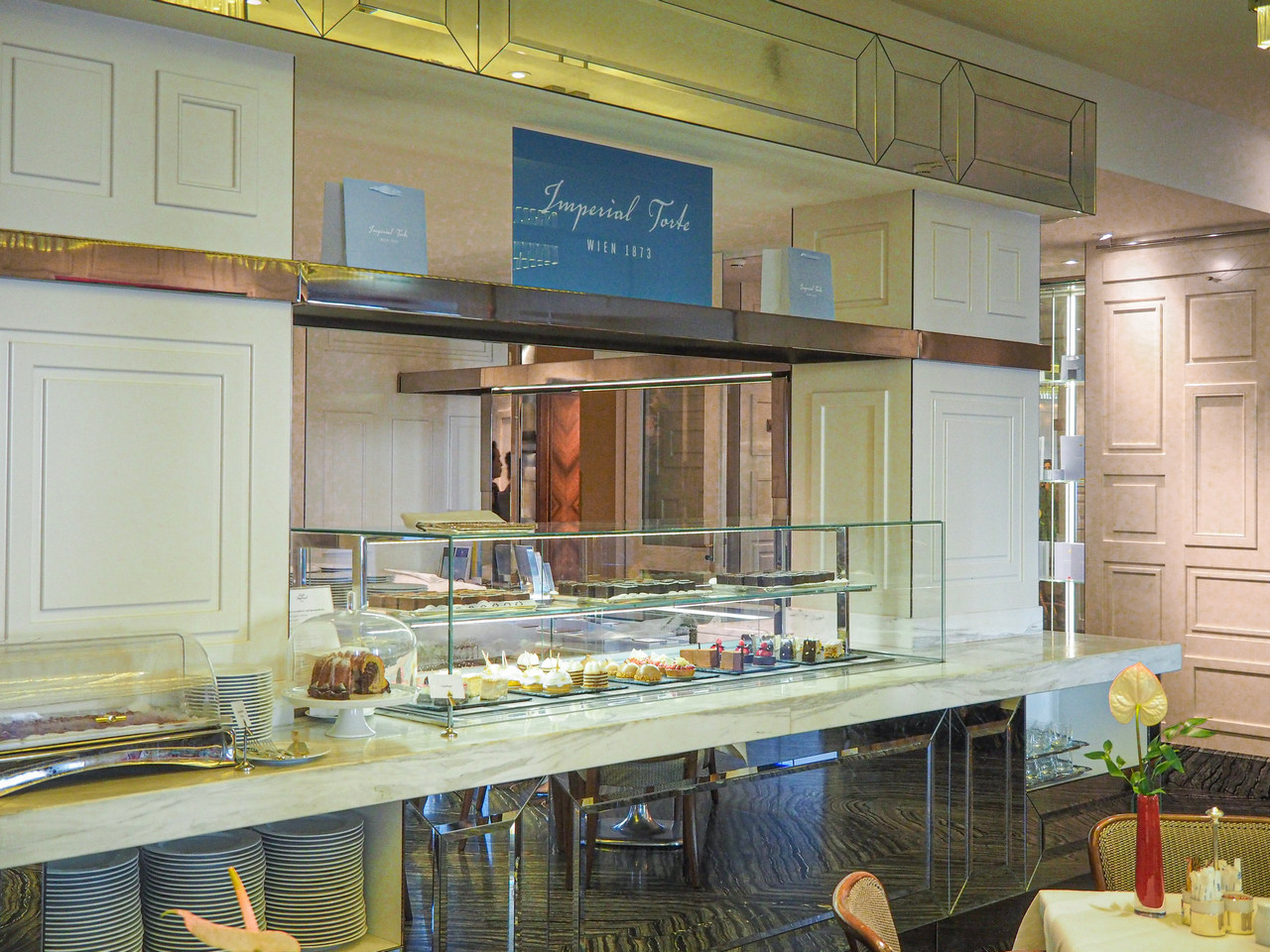
The café offers premium coffee, pastries, and traditional dishes like the famous Tafelspitz (boiled beef) and Wiener Schnitzel. Particularly famous here however is the Imperial Torte (cake) which consists of chocolate buttercream, thinly sliced almonds and marzipan all topped with a chocolate icing. The cake looks slightly similar to the famous Sacher Cake also it is shaped as a square and the filling is different. The cake was created in occasion of the opening of Hotel Imperial in 1873 in honour of Emperor Franz Joseph I.
Café Central
Herrengasse 14
Dating back to 1876, Café Central is one of the most popular traditional coffee houses in Vienna. Located inside the Palais Ferstel and like the palais itself boasts a stunning architecture, featuring high vaulted ceilings, marble pillars and chandeliers.
There is a huge display of cakes and pastries, including original creations as opposed to the standard Viennese offer, and the café also serves breakfast, snacks, lunch and dinner with a strong focus on local dishes and regional ingredients.
Like most traditional Viennese coffee houses, Café Central too used to be a hub for artists and writers; famous historic guests include such heavyweights like Sigmund Freud and Leon Trotsky.
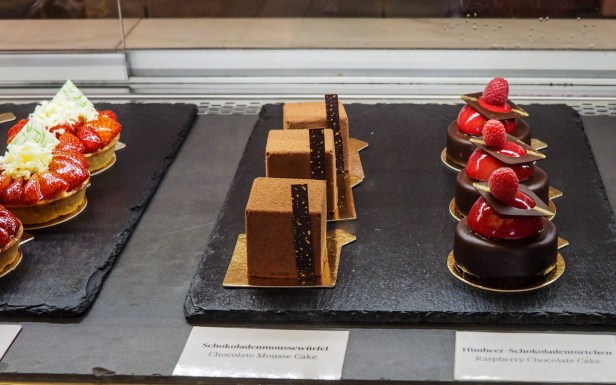
Fun fact: writer and poet Peter Altenberg spend so much of his time at Café Central that he even had his mail delivered there.
Usually, you can expect long queues at the entrance, so it’s best to come during off times, which means early morning, and definitely avoiding weekends.
Note: The Café Central is currently undergoing renovation. A pop-up operating at Fryung Square 3/1 continues to offer the traditional stapes (cakes, pastries, etc). The café is planned to reopen at its traditional location in fall 2026.
Café Schwarzenberg
Kärntner Ring 17
This is Vienna’s oldest coffee house located on Ringstrasse, first opened in the 1860s. Sitting between Karlsplatz and Stadtpark (city park) makes it the ideal place for a stop, the slightly remote location at the end of the central district, means the number of tourists here is usually lower compared to the city’s other famous coffee houses.
The beautifully restored interior dates to the turn of the century, featuring dark wood panelling, stucco-decorated high ceilings and glass chandeliers.
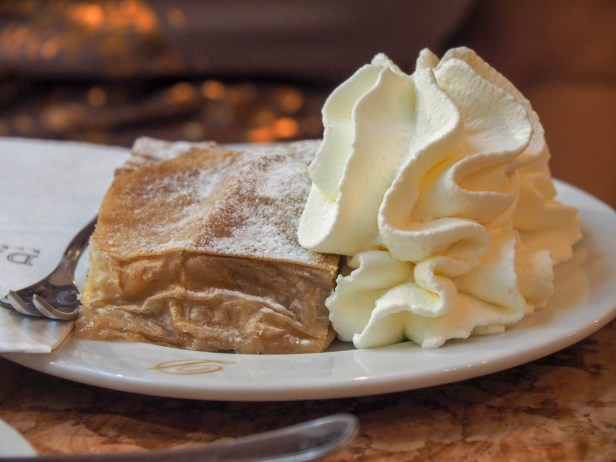
Café Schwarzenberg is well-known for its traditional Viennese breakfast, a large assortment of cakes and pastries and traditional hearty dishes like goulash and Wiener Schnitzel. Particularly popular is the excellent apple strudel while the café is known to serve its very own special coffee creation, Schwarzenberg cappuccino, an espresso with hot chocolate and whipped cream.
Café Sperl
Gumpendorfer Straße 11
Located outside of the inner-city cycle by Ringstrasse but still in close walking distance, and near the famous Naschmarkt (the famous market hall) and the Secession building, historic Café Sperl is clearly worth another coffee stop.
Established in 1880 the café, historically popular with artists, writers and military personnel, boasts the classic, old-world atmosphere typical for traditional Viennese Coffee Houses, featuring historic wood panelling, Thonet chairs, parquet floors, and high ceilings. Though three billiard tables are now providing a modern twist.
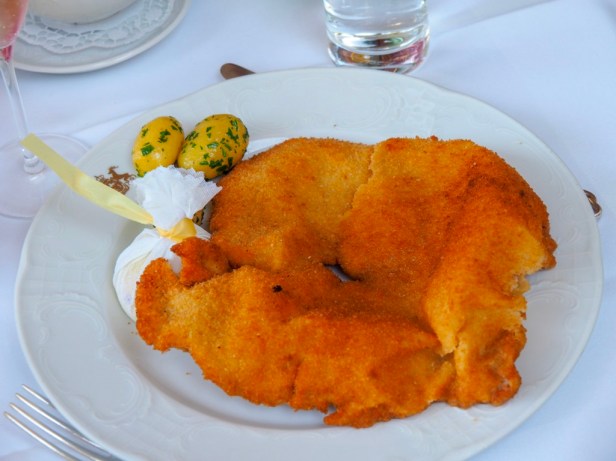
On the menu are traditional Viennese coffee specialities, traditional cakes and pastries and a wide range of traditional hearty Viennese dishes for lunch and dinner.
Like most traditional Viennese Coffee Houses, Sperl too has its very own cake, the Sperl Torte. Created in the early days of the café, the recipe of the cake is kept secret to this day but there is delicate milk chocolate, vanilla, cinnamon, and almond mas involved along with a chocolate icing which once again makes the creation somewhat resembling the famous Sacher cake.
Offering everything from breakfast, snacks, lunch and dinner, you don’t need to be a coffee lover to have the best of times visiting Vienna’s historic Coffee Houses. Though it would be a shame missing out on the various café’s very own individual ‘historic’ cake inventions and the 19th century grand interiors. Plus, these are the places to linger and slow down over a newspaper, book or a conversation. No one will rush you, as this is the essence of the coffee house culture.
 Carrots and Tigers