A quick introduction to the excellent wines of Sicily
A rich history spanning thousands of years, stunning architecture, some of the best-preserved archaeological sites, beautiful beaches, verdant rolling hills, one of the most active volcanos in the world, 350 days of sunshine a year and a varied and exiting food scenes hugely influenced by the islands ancient Greek, Roman, Norman, and Arab rulers.
The largest Italian island is a true paradise to explore and offers something for anyone.
But the reasons why to visit Sicily do not end here.

When you travel to Sicily, you must explore the islands intriguing wine scene. The island is not only the largest in the Mediterranean. Sicily is also the largest winegrowing region in Italy. And it’s no longer flying under the radar.
If you want to learn more about this exciting wine region, keep an eye on the wines from Sicily appearing on a shelve in a wine shop near you. In the meantime, keep on reading and let yourself mentally being transported to the island and its exciting winegrowing areas.
While the first wines on the island were produced more than 6,000 years ago, Sicily’s reputation to be a top-notch winegrowing area has only surfaced in recent decades.
Then and now a major reason for a thriving winemaking business is routed in the island’s particular climate and geography. Dry and warm, with hot summers and mild winters, moderate rainfall, and a constant wind from the sea along with the islands mountainous terrain offer perfect conditions to make great wines.
Add to that a huge presence of indigenous grape varieties which can cope perfectly well with the southern Europe’s increasingly hot climate.
It’s the islands incredible conditions to make excellent innovative and unique wines that has attracted winemakers to revise or set up new wineries, and many have started to make their mark on the international wine scene.
What grape varieties are grown across Sicily
Sicily is home to a wide range of different grape varieties, including most of the international varieties such as Chardonnay, Cabernet Sauvignon, Merlot, and Syrah.
What makes the local winegrowing scene particularly exciting, though are the more than 70 different indigenous grapes grown across the various microclimates of the island.
10 indigenous Sicilian grape varieties you should know more about
Leading local Sicilian red wine grape varieties
Among the internationally best-known local grapes features Nero d’Avola. It is Sicily’s most widely planted red variety and has been grown on the island for centuries. This dark red grape stands for wines of deep purple colour, a moderate structure, vivid acidity and soft to medium tannins. Typical flavours are ripe wild blackberry and spice. Since Nero d’Avola is found across all winegrowing regions of Sicily, wine styles vary according to the location. Typically, wines from the northwestern areas are lighter bodied while wines from the southwest are softer. Food pairing: Nero d’Avola is highly versatile with food though the best pairings do again vary depending on the winegrowing areas. The lighter wines from the northwest will work with slightly lighter and leaner food while the wines from the southwest are great matches with heavy foods, red meat, and pasta with rich sauces.

Frappato, another red variety, until recently was a grape mostly used for blending. Though this is slowly changing with some excellent Frappato wines starting to make a name for itself. It is a late-ripening, low-yielding variety turning out easy-drinking light wines with low tannins and aromas of cherry. Food pairing: A particular ideal match for starters, fish soup, and light first courses but also delicate white meats, swordfish, and cured meats and cheese.
Nerello Mascalese is predominantly grown in the Mount Etna appellation where it thrives in the volcanic soil. This red grape turns out wines with distinct differences based on the altitude of the vineyards. Grown on lower altitudes, the wines are typically strong and high in tannins. As vineyards start to climb higher on the slopes of Mount Etna, acidity in the wine increases and wines are lighter. Making wines with great aging potential, Nerello Mascalese displays similarities to Barolo from Italy’s Piemonte region or French Burgundy. Food pairing: The wines’ high acidity makes it a great match for strong, tangy flavours, tomato-based sauces as well as richer fish dishes like sardines, pork, and duck.

Nerello Cappuccio a rustic and spicy red grape, Nerello Cappuccio is again mostly used for blending with Nerello Mascalese although it is a variety that also yields excellent wines of its own. The grape is native to the Etna region and displays a dark, rich colour, fruity notes of cherry and pleasant aromas. Food pairing: pizza (especially Margarita), and pasta dishes, vegetables like pumpkin, aubergines and wild mushrooms, tuna and swordfish, white meats like pork, but also meatballs and steak.
Perricone, also known as Pignatello, is a red variety that at a point endangered, is coming back strongly. It was the main grape used to make Marsala Rubino and was thus widely planted across the island. However, the variety fell victim to phylloxera along with Marsala wines falling out of favour. A late ripening variety, Perricone contains significant tannins, and as such is very challenging in the vineyard. Today, Perricone is used both for production of varietal wines as well as for blending. Food pairing: a highly versatile wine when it comes to food, Perricone works well with Italian, American and Asian food. Particular great matches are roasted or braised red meats, spicy food and matured cheese.
Leading Sicilian white wine grape varieties
While red Nero d’Avola might be the island’s best-known wine internationally, Sicily is predominantly growing white grapes. Nearly 70% of the total vineyard area are planted to white varieties.
The island’s most widely planted white grape variety is the Catarratto grape. It is also thought to be the oldest grown on the island and native to the region of Trapani. It yields easy drinking medium- bodied soft wines with moderate complexity and low acidity, displaying aromas of citrus with hints of tropical fruits and herbs. In the past, Catarratto was mostly used to make fortified Marsala wines and remains a grape often blended with other wines. Food pairing: Catarratto is another very versatile Sicilian wine pairing well with fish and seafood, grilled vegetables, white meats, and soft cheeses.

Carricante, also known as Etna Bianco, yields dry and medium-bodied white wines with lively acidity and mineral notes. This late-ripening grape particularly thrives on the high altitudes of Mount Etna. The wines typically display notes of citrus, apples, anise, and honey, along with a hint of herbs and light saltiness. It’s also a white wine is higher aging potential then most other whites. Food pairing: The high acidity and fragrant notes makes it a perfect match for spicy and tangy food, in particular Italian food with herbs, mushrooms, or spicy Asian dishes.
Grillo, another white variety used for Marsala wines in the past did not play a major role. More recently, winemakers are starting to recognize the grapes’ potential in blending with other still wines or on its own. It is often used to make skin contact wines, the category also called orange wines. It is a style that over recent years has gathered a growing number of enthusiasts. Grillo skin contact wines are richer and more complex while non skin contact Gillo wines typically yield crisp, citrusy wines that are easy to drink. Food pairing: This is a wine that goes with a huge variety of foods, from fish and seafood to pasta, risotto, white meat, and soft cheeses. It also works well with the notoriously difficult egg-based dishes.
Zibibbo, a pleasantly sweet grape with floral aroma is another of Sicily’s rising stars. It takes its name from the Arab name Zibibbo which means raisin, and the grape does indeed dry well. It’s thought that his ancient variety has its origins in Egypt and was likely brought to Sicily when the island was under Arab rules. A sweet style of the wine is made after the grapes were sun-dried. However, it is the still Zibibbo wines that are currently rising in favour. It displays aromas of stone fruits with notes of herbs and a slight saltiness. Food pairing: Still Zibibbo works well with fish, seafood, white meats, and aged cheese.
Fiano is an ancient variety grown both on the island of Sicily and the southern Campania region. Strong flavoured, the sick-skinned, late-ripening berries produce relatively little juice. The grape thieves on volcanic soils and yields aromatic, spicy wines with typical aromas of peach and grape, followed by notes of honey and nut. Food pairing: A great wine to pair with fish and seafood, pasta, vegetarian dishes and cream cheeses.
Exploring the excellent wines of Sicily, one bottle at a time: 6 wines from some of Sicily’s leading wineries to try
There are many excellent wineries around the island and a wide range of wines including red, white, rosé, and sparkling wines worth seeking out. But if you wonder where to start, below I have listed six great examples of wines made on the beautiful island of Sicily.
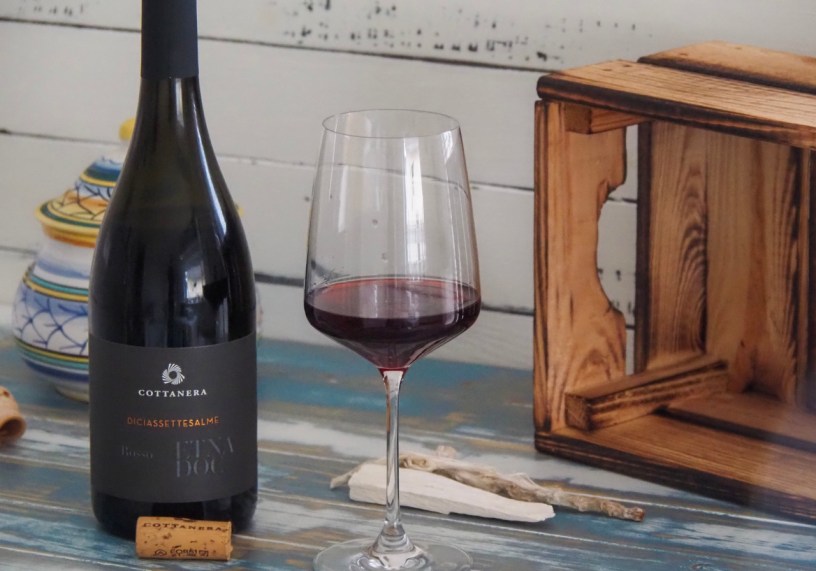
Contrada Diciasettesalme Rosso Etna DOC 2021, Cottanera
Founded in the early 1990s by Enzo Cambria and his late brother Guglielmo on the slopes of Mount Etna, the winery quickly moved from international grape varieties to focus on the indigenous local varieties like Nerello Mascalese, Nerello Cappuccio and Carricante. Today, Cottanera is one of the largest wineries on Mount Etna.
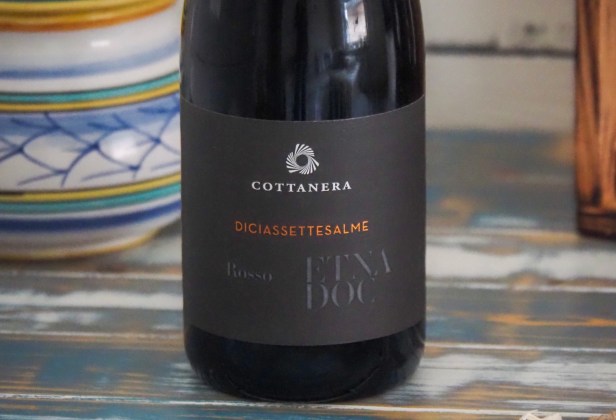
Made from 100% Nerello Mascalese, the grapes for this Etna Rosso are harvested at the Diciassettesalme vineyard, named after an ancient Sicilian measurement (Salame) and the number 17 (diciasette). The number translates into 25 in today’s metric system, and this reflect the 25 hectares of the vineyard.
The grapes grown on lava-clay soil yield a wine with intense ruby red colour, dense tannins, and body strength. The wine is fermented in French oak barrels and matured for eight months in large oak barrels. It displays aromas of dark red mixed berries like raspberry and dark ripe cherries, followed by delicate herbal notes and tobacco. Elegant, balanced and with a light saltiness, this is one of the great examples of Mount Etna Rosso wines.
Saganà Nero d’Avola Sicilia DOC 2019, Azienda Agricola Cusumano
Located in Partinicio to the west of Palermo, Cusumano is one of the leading wineries in Sicily. With around 500 hectares under vines across five different, it is one of few Sicilian wineries producing wines from various denominations and thus wines with very different characteristics.

Saganà Nero d’Avola is a fantastic example of wines made from the autochthone Nero d’Avola grape. Grapes come from the winery’s Tenuta San Giacomo estate in the province of Caltanisetta in the south of Sicily.
The wine is characterized by an intense dark ruby red colour, strong aromas of Amarena cherries, blackberries and blackcurrant followed by notes of chocolate, spices, and herbs. Fresh and concentrated, medium to full-bodied with fine tannins.
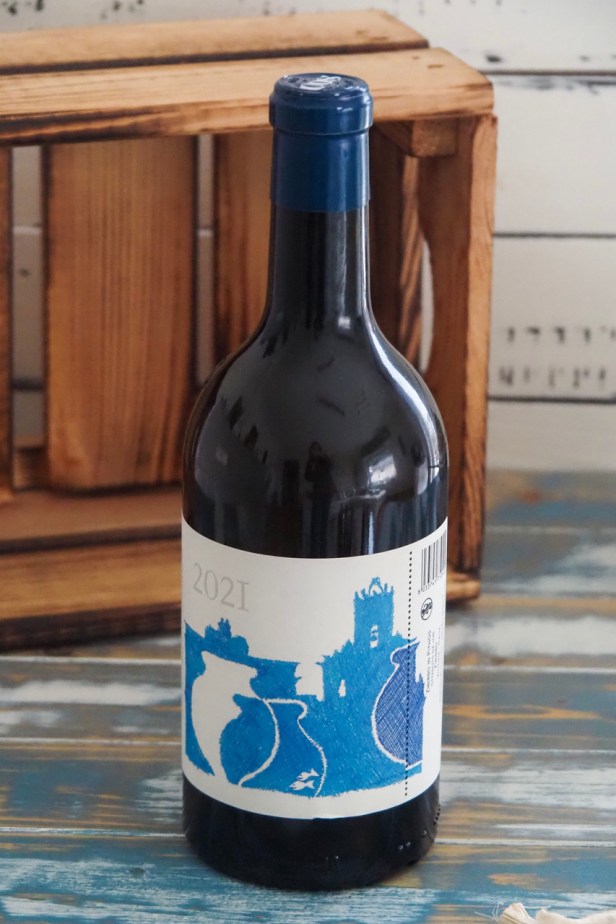
Zibibbo in Pithos Bianco Terre Siciliane IGT 2021, COS
Founded in 1980 by Giambattista Cilia and Giusto Occhipinti, COS winery located in Vittoria in the province of Ragusa in southeastern Sicily, is one of the leading local wineries implementing strict ecological viticulture.
Ticking many boxes of increasingly popular production styles, Zibibbo in Pithos Bianco is a natural, amphora-aged skin-contact white wine.

The wine undergoes spontaneous fermentation in terracotta amphorae followed by seven months on the skins. This gives this orange wine a beautiful amber shade and appealing scents of apricot, orange blossom, honeycomb, and a hint of saltiness. On the palate, the wine displays exotic aromas of tropical flowers and citrus followed by notes of ginger and sweet smoke. Fresh and nuanced finish with notes of kiwi and grapefruit.
Cometa Fiano Sicilia Menfi DOC 2022 (BIO), Planeta
Another success story, the Planeta winery producing wines across the five different Sicilian wine regions is among the internationally most recognized when talking about wines from Sicily. Not least because it is one of the few offering accommodations. If you plan to spend some time among the vineyards in Sicily, check out La Forestiera Menfi Boutique Resort.

Made with 100% Fiano grapes is the legendary white wine from Planeta displays complex scents of blossoms and yellow fruits like lemons, nectarines, and orchid blossoms. Medium-bodied with crisp acidity and a soft and long finish.
Family and Friends Grillo Terre Sic IGT 2022 (BIO), Feudo Maccari
Founded in the late 1990s by winemaker Antonio Moretti Cuseri (who at the time already owned a winery in Tuscany), Feudo Maccari is located breathtakingly beautiful province of Syracuse between the towns of Noto and Pachino on the eastern shores of the Mediterranean. The winery right from the start focused on native grape varieties.

Feudo Maccari Family and Friends is made from 100% Grillo grapes. Initially produced as ‘house wine’ of the Moretti family, this intense white has become one of the stars of the winery. It displays complex aromas of white peach and mandarin and notes of nutmeg, vanilla, and bay leaf. Medium to full-bodied, with spicy and mineral notes and refreshing, subtle tannins.
Metodo Classico Millesimato Sicilia DOC 2019 brut, Donnafugata
Sicily does not only stand for excellent still wines. There are also some excellent examples of sparkling wines, and this metodo classico, meaning it is made in the same style as champagne (but can’t bear the name).
Donnafugata is one of the perhaps best-known Sicilian wineries internationally, not least thanks to the winery’s colourful labels. Founded in the early 1980s by Giacomo Rallo with family winemaking history of over 170 years and his wife Gabriella, the winery today owns vineyards across different region in Sicily.

Donnafugata Metodo Classico is made in small quantities according to the classic champagne method with second fermentation in the bottle. The grapes come from vineyards located close to the Contessa Entellina estate in the western part of the city near Palermo. Stray yellow with an elegant and persistent perlage, the sparkling wine displays intense aromas of citrus fruits, mint, and green tea followed by notes of bread crust. Fresh and lively, with a good structure and complexity.
Final Thoughts
If you are looking for the next wine region to explore, Sicily is an amazing place thanks to its beautiful rolling hills, great culture, 360 days of sunshine, along with a varied food scene. When it comes to wine, Sicily is without doubt the Italian wine region that has seen the most dynamic development over the past two decades.
 Carrots and Tigers