Celebrating Cap Classique sparkling wine from South Africa: A beginner’s guide
I can’t believe summer is nearly over (did it go even faster this year?). Though it’s still warm, the first signs that fall is approaching are already visible.
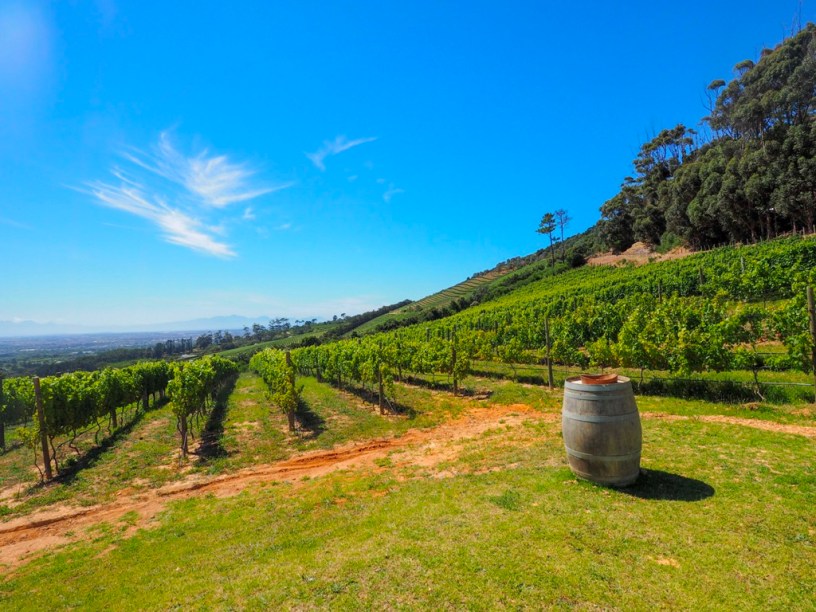
That said, not everybody is currently preparing for fall. In the southern hemisphere, the change of season means spring’s arriving. And South Africa on 1st September is not only celebrating the meteorological start of spring. It’s also National Cap Classique Day.
If you love champagne (and who does not?) you have also likely heard the term ‘traditional method sparkling wine’. Essentially, this is sparkling wine made like champagne (with second fermentation taking place in the bottle) but outside of the Champagne region in France. Due to the protection of origin law, these sparkling wines are not allowed to be called champagne. Therefore, some are simply called sparkling wine, with an indication on the bottle that it was made according to the traditional method. Other sparkling wines made in the traditional method however are given their own distinctive name, to set them apart from sparkling wines made according to other methods, typically the tank method (with second fermentation taking place in high pressure tanks).
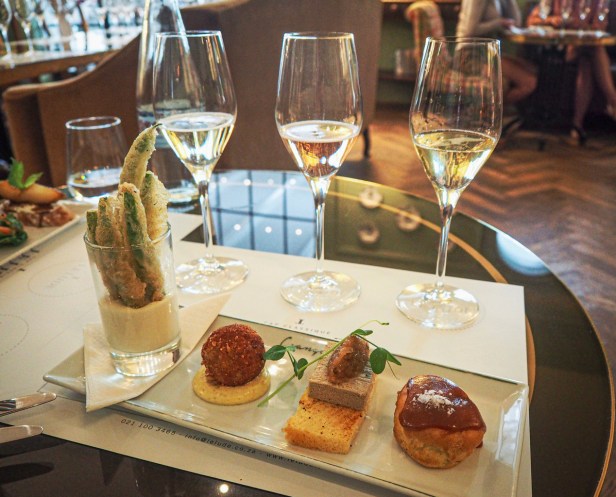
While champagne still maintains the tag as the best sparkling wine in the world, other wine made according to the traditional method have moved into the spotlight over the past decade. And rightly so. The best are definitely comparable to champagne but still only cost a fraction.
If you have been to South Africa and its awesome Winelands in the Western Cape, you will know the local traditional method sparkling wines. If you don’t yet, read on to learn more about these delicious traditional method sparkling wines and ten of my favourite wineries making their own fantastic interpretations of Cap Classique wines.
What is Cap Classique Sparkling Wine
So, what exactly is Cap Classique?
Cap Classique are sparkling wines made in South Africa using the traditional method, with the second fermentation taking place in the bottle.
The term was coined back in 1992 by the Cap Classique Producers Association to distinguish South African sparkling wines made according to the traditional method from sparkling wines. Initially, the official term was Methodé Cap Classique, often shortened to MCC. Today, they are usually called Cap Classique, without the Methodé.
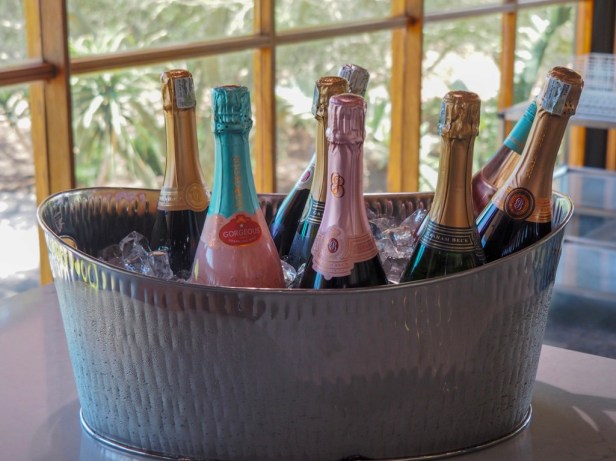
Despite looking at more than 360 years of winemaking, traditional method sparkling wines have been made in South Africa for just over 50 years. The first sparkling wine made with the traditional method was Simonsig’s Kaapse Vonkel (literally translating to Cape Sparkle), made in 1971 and released in 1973.
Today, round about 250 South African wineries produce Cap Classique, with the number still growing each year.
Following the French example, most Cap Classique wines are made with Chardonnay and Pinot Noir grapes. However, South Africa’s flagship white grape variety, Chenin Blanc is now also used for making excellent Cap Classique.
Key facts about South African Cap Classique Sparkling Wine
More than 250 South African wineries produce their own Cap Classique sparkling wines.
Production regulations of Cap Classique sparkling wines are relatively relaxed. For a sparkling wine in South Africa to be called Cap Classique, it must thus be made using the traditional method. In addition, the wines must age for a minimum of 12 months on the lees.
Other then this, winemakers are fairly free to experiment.
For example, there is no official regulation which grape varieties must be used. Thus, Cap Classique wines are made from a variety of grapes including Chardonnay, Pinot Noir, Pinot Meunier, Chenin Blanc, Sauvignon Blanc, and Pinotage.
Cap Classique range from brut (dry) to semi-dec (sweet) and usually show refined effervescence with tiny bubbles.
South Africa’s Cap Classique Experiences & Events
South Africa’s exquisite bubbles have clearly taken off to a great success since the first bottle was sold in 1973. Today, local winemakers are rightly proud of their very own traditional method sparkling wines and the bubbles are the star of many local events.
If you are planning to go to South Africa, visiting the Western Cape and its stunning Winelands, check out the list of experience and events dedicated to the local bubbles.
Franschhoek Cap Classique Route
If the Cape Winelands are on your bucket list, this means you are planning some wine tasting along the way. Which undoubtedly will be an exiting experience. But with over 800 wineries in the historic winegrowing areas closer to Cape Town, where should you start?
So why don’t you start with the wineries taking part in the Franschhoek Cap Classique Route? Inaugurated a couple of years ago, the route boasts 24 wineries all making outstanding Cap Classique sparkling wines. Few of them are actually dedicated to making bubbles only, but most offer a range of still and MCC wines and wine tastings.
Check out my post Travelling the Franschhoek Cap Classique Route from home for more information.
Franschhoek Cap Classique Festival
Also hosted in the beautiful Franschhoek Valley, there is the annual Cap Classique Festival. Held every year over the final weekend in November, the festival will feature local MCC winemakers, matching food prepared by the Valley’s outstanding chefs, and live music around the historic Franschhoek Huguenot Monument.
Franschhoek Cap Classique Safari & Mystery Weekend
See a pattern here? Winemakers of the Franschhoek Valley have teamed up to organize the inaugural Cap Classique Mystery Weekend this year. An event, should it be successful (and who doubts it would not) should return annually around National Cap Classique Day.
This year, the event will take place over the final weekend in August (August 31st – September 1st) and thus coincide with National Cap Classique Day.
The event features the Cap Classique Safari on Saturday, when participating Cap Classique wineries offer tastings in combination with lunch at on-site restaurants. The wineries are divided into three different pots, each pot comprised of five to six different wineries, with transportation to the pods included in the tickets.
If that’s not enough yet, the event can be combined with the Franschhoek Mystery Weekend this year. This popular event is back this year after a hiatus of 12 months and features a luxury wine weekend pre-planned for participants including beautiful accommodation, gourmet food and various wine experiences. Plus, participation at the Cap Classique Safari on the first day.
The two events are hugely popular, and usually sold out quickly once ticket sales kick off. Thus, if you are planning a trip to the South African Winelands, check out the dates for the next events – the Mystery Weekend is likely coming back on a more regular basis over several weekends throughout the year, as it used to be prior to the year-long break.
National Cap Classique Day
More than just a national wine day, local wineries have extended the event to last a full week. Events dedicated to Cap Classique Day (which is officially celebrated on 1st September) are typically starting already on the weekend prior to the day will run for around a week. Many wineries making Cap Classique wines will stage special events such as dedicated tastings, food pairings or offer special Cap Classique tasting menus at their on-site restaurants.
10 excellent Cap Classique sparkling wines you must try
Whether it’s on your next trip to the South African winelands or to be mentally transported there while sipping on a delicious glass of Cap Classique at home, make sure to look out for these delicious Cap Classique wines to have a glass or two.
Actually, other than listing only particular bottles of Cap Classique to try, below I am highlighting ten of my favourite South African wineries making traditional method sparkling wines and their best examples of Cap Classique (or MCCs, the abbreviation still largely used locally).
Graham Beck – Graham Beck Cuvée Clive
The winery is perhaps among the internationally most recognized, and its Brut NV was poured at Nelson Mandela’s inauguration and Barack Obama’s victory celebration.
The story of Grahem Back wines started in 1983, when Graham Beck purchased Madeba Farm in the Robinson Wine Valley. The area was the scene of a devastating flood just two years earlier, recognized as the Laingsburg flooding, which meant he had to replenish the soil and plant new vines from scratch. Choosing Chardonnay as one of his main grape varieties turned out to be a genius scoop as it became the base for the winery’s excellent Cap Classique wines.
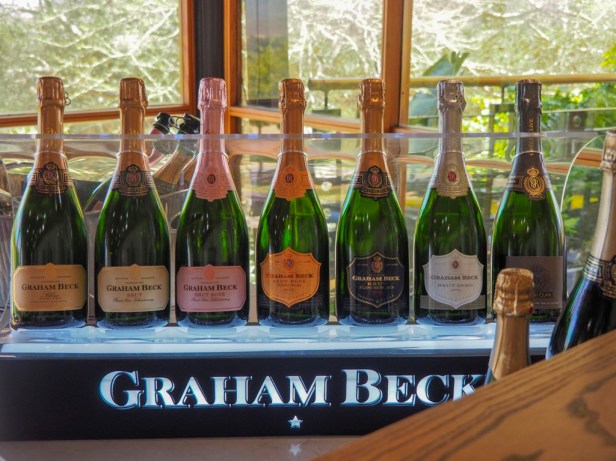
Graham Beck makes three different ranges of Cap Classique including the Classic Collection (Brut, Demi Sec, and Brut Rosé), The Vintage collection (Brut Zero, Blanc de Blancs, and Brut Rosé), and the Prestige Collection which produced the stellar Cuvée Clive. The latter is a blend of Chardonnay and Pinot Noir made only in exceptional vintages and in a limited quantity.
Simonsig – Kaapse Vonkel Brut
The pioneer of Cap Classique certainly belongs to the ‘must try’ list of South Africa’s quality bubbles. The winery, located in the Stellenbosch area on the foot of the dramatic Simonsig Mountain range, is now led by the third generation of the Malan family.
Today, six different Cap Classique wines are made by Simonsig Family Vineyards.
The classic and timeless Kaapse Vonkel Brut. It is made from a nearly identical amount of Chardonnay and Pinot Noir, with a small addition of Pinot Meunier and Pinot Blanc. It boasts aromas of green apples followed by notes of pear and shortbread biscuits. On the palate, refreshing with fruit-forward flavours and a delicate mineral finish.
Also delicious is the Kaaspe Vonkel Brut Rosé made from Pinot Noir, Pinot Meunier and South Africa’s red flagship grape Pinotage.
More recently, Simonsig has added the Kaapse Vonkel Satin range. It is set apart from the classic version by a higher dosage, and thus making it a semi-dec.
L’Ormarins – Brut Classic NV
L’Ormarins is part of the acclaimed Anthonij Rupert Wyne brand. It takes its name from its original owner, French immigrant Jean Roi who in 1694 started to plant wines on a parcel of land that he named after his hometown in France, Lourmarin.
The Brut Classic NV made from a classic blend of Chardonnay and Pinot Noir and the Brut Classic NV Rosé are perhaps the most widely known Cap Classique from the winery and stocked at nearly every restaurant across the Winelands.
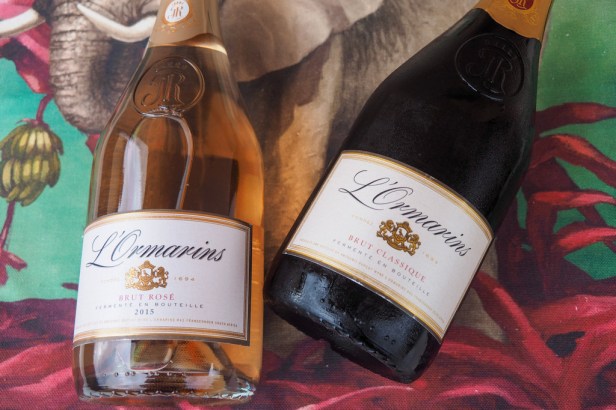
However, L’Ormarins also makes a Brut Classic Vintage Rosé, a Blanc de Blanc made from 100% Chardonnay grapes picked at two different vineyards.
Kleine Zalze – Cap Classique Brut Rosé
Founded as recently as 1996 although wines had been made on the site since 1695, Kleine Zalze was named Top Performing Winery of the Year in 2020 by Platter’s South African wine guide, showing the dedication of the Kobus family who owned the farm until 2022. Ownership since passed to AdVini, a well-known French winery.
There is an impressive Cap Classique range made by Kleine Zalze, and it not only convinces by its taste. The bottle design is certainly among the most beautiful of all South African Cap Classique sparkling wines.
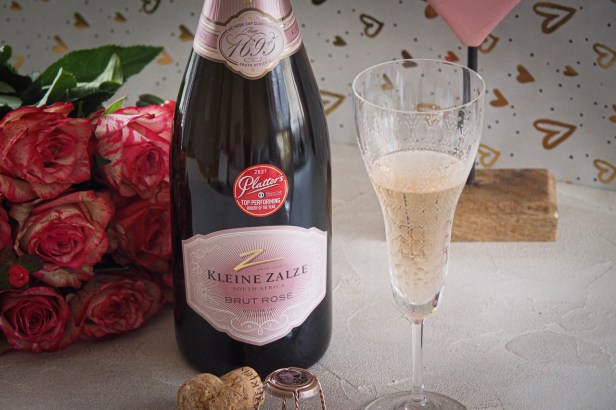
The Cap Classique Brut Rosé NV is a traditional Cap Classique made from Chardonnay grapes from vineyards in the Robertson Valley and Pinot Noir from False Bay vineyards. It offers aromas of cherry and red berries. In the same series, the Cap Classique Brut NV is a likewise elegant traditional Cap Classique with aromas of strawberry and blackberry, followed by notes of biscuit.
The range is completed by a Cap Classique Vintage Brut, and the Cap Classique Nectar and Cap Classique Nectar Rosé.
Le Lude – Afrafe Brut Nature
Still one of the rookies among the established century-old wineries of the Cape, Le Lude was founded in 2011, with its first bubbles released in 2015. The winery is one of the few entirely dedicated to Cap Classique sparkling wines. The impressive range includes the traditional Brut Reserve and Brut Reserve Rosé, the two Cuveé Brut Reserve and Prestige Rosé, the Madam Millesime (only made for exceptional vintages), and the rather unique two Agrafe Brut Nature and Agrafe Brut Rosé Nature.
Le Lude is the first winery in South Africa to make Cap Classique using the Agrafe Tirage Liège method, which means the wine is fermented in the bottle under cork instead of a crown cap. Among experts, this method results in a more integrate aroma profile and texture, showing more developed, multi-layered characters.
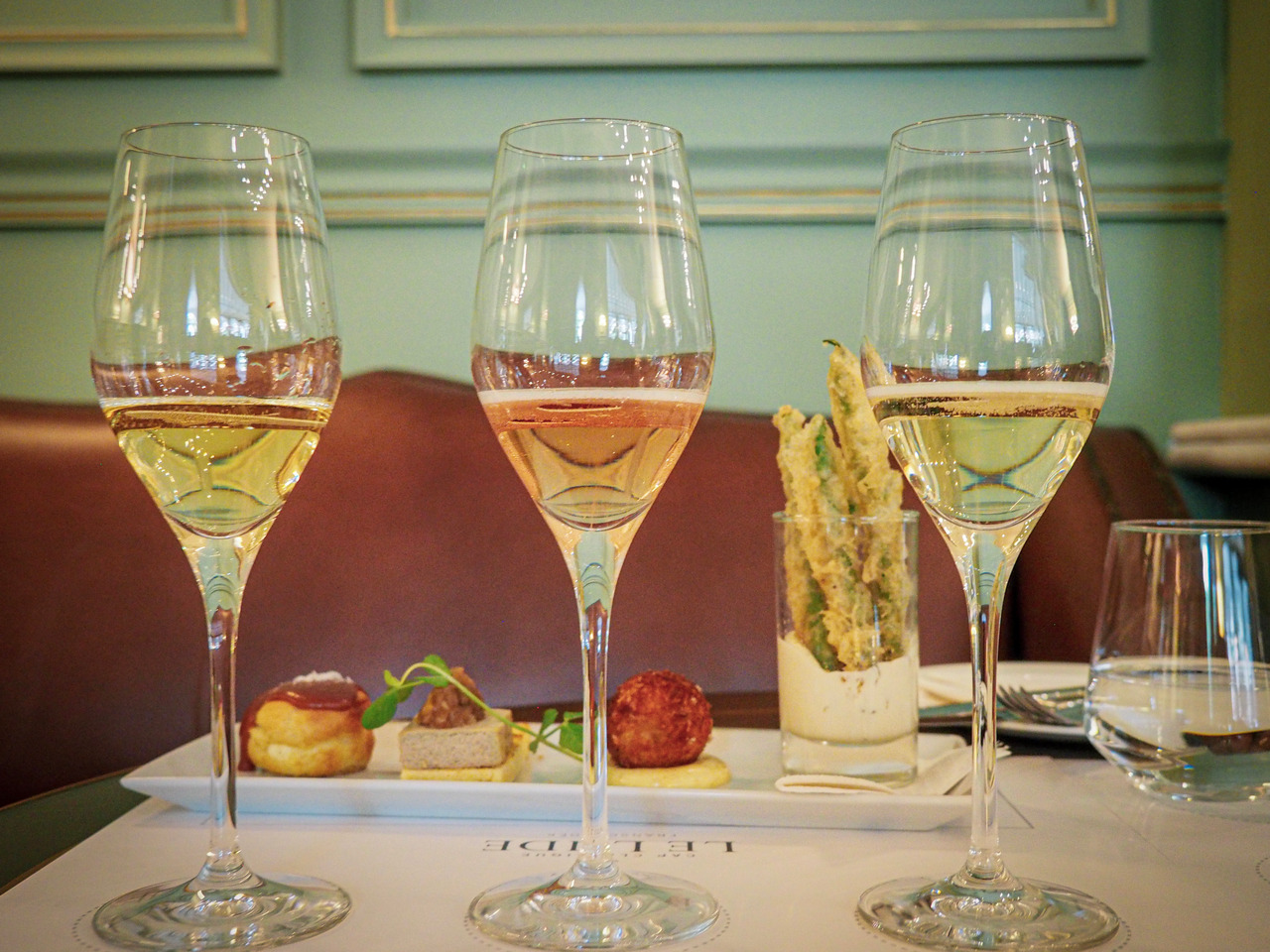
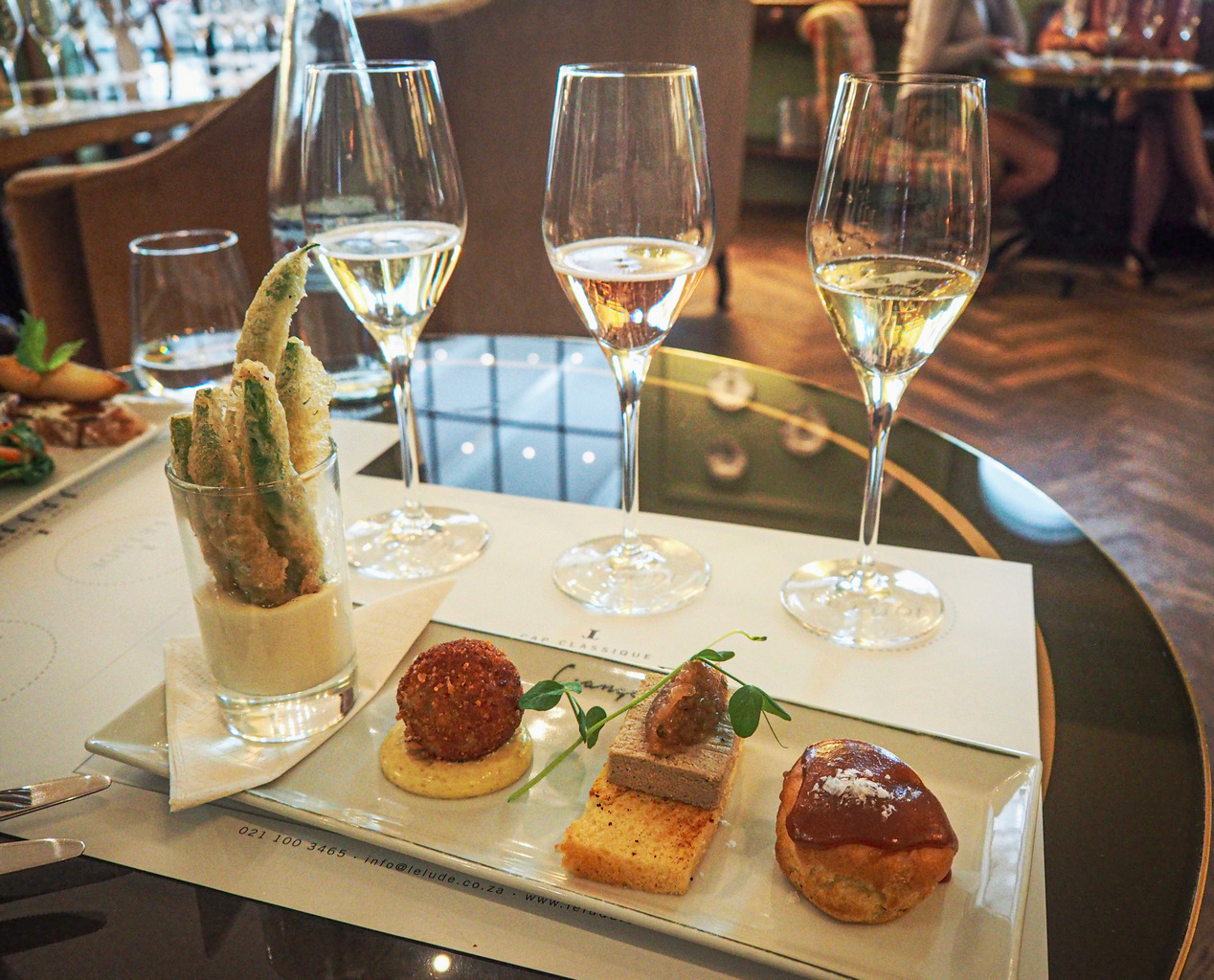
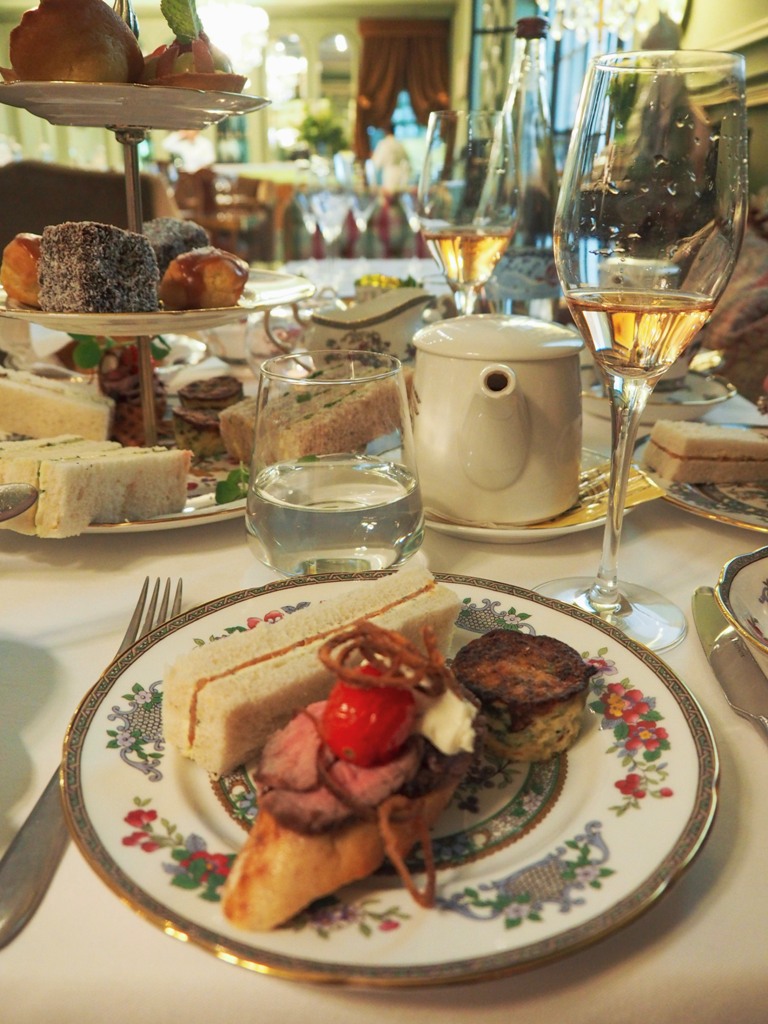
Le Lude, located just a short distance from Franschhoek’s main street, is also a stunning place to visit. Orangerie, the on-site restaurant is among the best in the Franschhoek Valley while the available tasting options are unforgettable experiences.
Also not to be missed – and obviously involving a delicious glass of bubbly, are the Morning and Afternoon Tea sessions.
J.C. Le Roux – La Chanson
The winery is one of the few entirely dedicated to making Cap Classique sparkling wines. Nestled in the heart of the beautiful Devon Valley close to Stellenbosch, J. C. Le Roux takes its name from famous French Huguenot Jean Le Roux who once owned the land and started to plant the first vines after immigrating from Normandy in 1704.
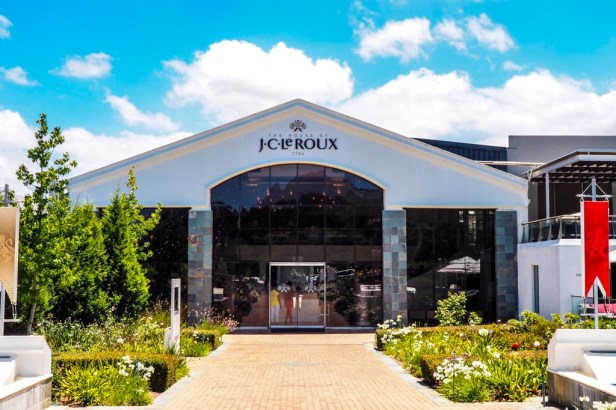
Dedicated to Cap Classique, there is an impressive range of different styles in the winery’s portfolio. Styles range from dry to sweet and includes one of the very few South African red Cap Classique sparkling wines. La Chanson is a blend from Sauvignon Blanc, White Muscadel, Shiraz, Cabernet Sauvignon and Pinotage. It features a lively, rub-red colour and fruity flavours.
Made in the same range as La Chanson, La Fleurette is a dark pink made from Sauvignon Blanc, White Muscadel, and small quantities of Pinotage and Shiraz. It is characterized by fruity flavours with hints of strawberry, plum, and tropical fruit.
If you are passing through the area, don’t miss the stylish tasting room, or the terrace offering stunning views over the surrounding mountain ranges, and the various tasting options including pairings like nougat, cheesecake, and pizza.
Boschendal – Grande Cuvée Brut
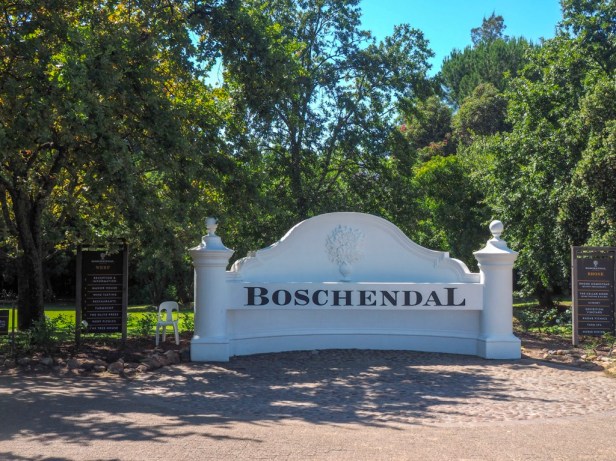
One of the oldest wine estates on the Cape, Boschendal was also among the wineries to quickly following in the footsteps of Simonsig, producing their own interpretation of Cap Classique sparkling wines.
The winery today makes a wide range of Cap Classique, including their stellar Grande Cuvée Brut made from Chardonnay and Pinot Noir grapes.
However, if you are looking for an exceptional experience, nothing beats winery’s cellar door wine tasting options. Including all styles of wine (white, rosé, red, and off course sparkling). For the Cap Classique experience, you can choose a classic MCC tasting including a range of Cap Classique styles or the decidedly decadent Cap Classique and Oyster tasting.
From the Boschendal Brut to the Brut Rosé, Grande Cuvée Brut, Jean Le Long Cuvée Prestige, and Luxe Nectar NV, the winery’s Cap Classique’s are a true revelation.
My favourite remains the Grande Cuvée Brut, a Cap Classique made for special celebrations. Made from a blend of Chardonnay and Pinot Noir, the grapes are from the winery’s cool climate vineyards in the Elgin Valley and matured for a minimum of 36 months on the lees. It features aromas for green apples, followed by citrus notes, almond biscotti and brioche.
For more on Boschendal Wine Estate, read my post Boschendal Wine Estate: Great wines and luxury accommodation in the Cape Winelands.
Babylonstoren – Sprankel Cap Classique
Perhaps one of the Western Cape’s most popular destinations for farm-to-table experiences along with excellent wines, Babylonstoren is an organic working farm particular renown for the sheer variety of edible plants, vegetables, and fruits grown on site.
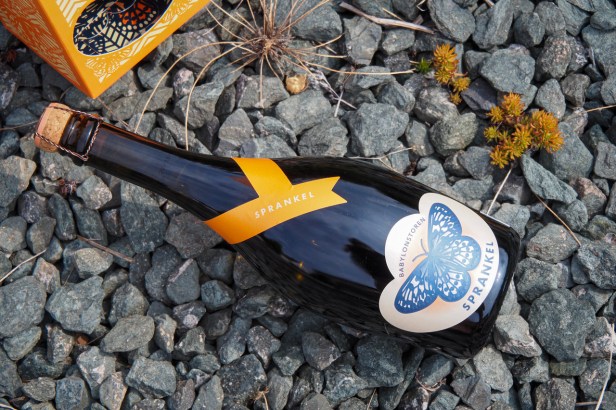
The farm also has its own vineyards and among other varieties grows Chardonnay and Pinot Noir grapes on the slopes of Simonsberg Mountain at an altitude of around 600 metres.
Babylonstoren makes its own wonderful Cap Classique, the Sprankel. It is made from a blend of around 90% Chardonnay and 10% Pinot Noir and is aged for around 48 months on the lees. This Cap Classique boasts vibrant aromas of citrus and ripe apples followed by notes of butter biscuits and brioche. It offers a perfectly balanced acidity with ripe fruit flavours.
Tough already a few years old, if you want to know more about this beautiful destination, check out my post Babylonstoren, a true Western Cape Winelands gem.
Steenberg – Steenberg 1682 Cap Classique
Settling down on the stylish terrace of Steenberg winery in the Constantia Valley for a wine tasting is always a wonderful experience. The winery is one of the oldest in the area (established in 1682), located just around 30 minutes from Cape Town’s bustling Waterfront.
The wine range includes different Cap Classique wines. The traditional the Steenberg 1682 Cap Classique is certainly the winery’s flagship bubble, a Blanc de Blanc sparkling wine made exclusively from Chardonnay grapes, aged for a minimum of 12 to 18 months on the lees. It offers vibrant notes of green apple, white peach, and candid lemon zest. On the palate, its lively with a crisp acidity and flavours of citrus, sweet nectarines, pistachio and brioche.
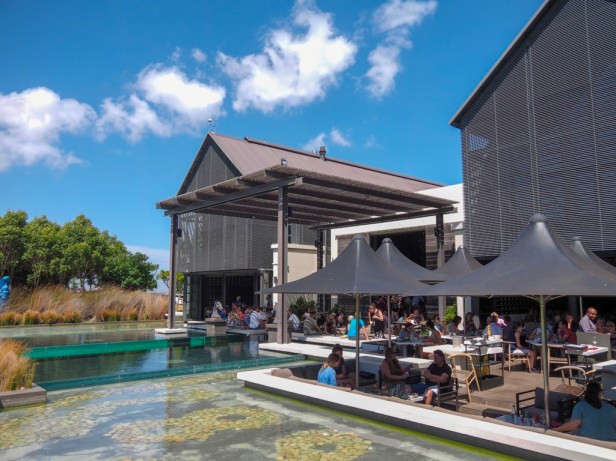
Steenberg also produces a Cap Classique Sauvignon Blanc, a Pinot Noir Cap Classique NV, and the Lady R Cap Classique, a blend of around 70% Pinot Noir and 30% Chardonnay and is matured 52 months on the lees, developing exceptional flavours and texture.
Charles Fox Cap Classique Wine Estate – Charles Fox Blanc de Blanc
The still lesser-known Elgin Valley, located in the Overberg region of the Western Cape is one of South Africa’s cool climate growing regions offering great winegrowing potential. Many of the historic wineries from the major regions of Stellenbosch, Franschhoek and Paarl have established local branches, though most are run in a closed fashion, meaning they do not accept visitors (though their wines are poured in the tasting rooms at the historic wineries).
Among the local pioneers open to visitor is the small Charles Fox Cap Classique Wine Estate, as the name suggests yet another winery entirely dedicated to Cap Classique.
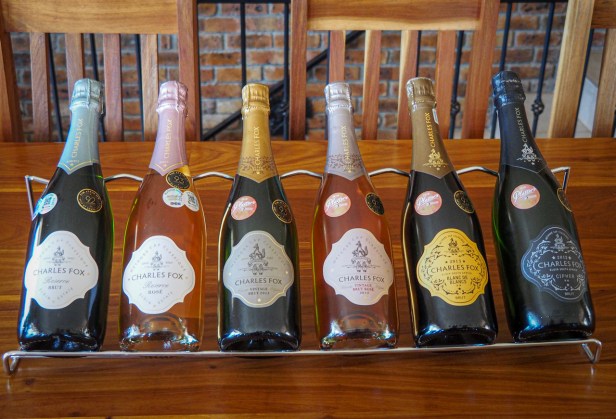
The first Charles Fox Cap Classique was released in 2012 and since the range has expanded to include various styles of Cap Classique wines.
The Blanc de Blanc, made exclusively from Chardonnay grapes remains my favourite. It offers intense aromas of roasted almonds and cashews, ripe yellow apples and pears and hints of lime, marzipan, and toasted oak. On the palate, it displays a balanced acidity and flavours of lime, kumquat, and vanilla, followed by notes of toasted almonds, macadamia, and browned butter.
The range also includes a likewise delicious Blanc de Noir, a Vintage Brut, Vintage Brut Rosé, and a Reserve Brut and Reserve Brut Rosé.
Are you familiar with South Africa’s Cap Classique sparkling wines? Do you have a favourite one? Let me know in the comments below.
 Carrots and Tigers