Not just for dessert: How to pair Port wine with food
With a dramatic landscape of steep undulated terraced vineyards carved into the schist and granite soils that line both sides of the winding Douro River, the Douro Valley is undoubtedly one of the most picturesque wine regions globally.
This is the worlds oldest demarcated wine region, recognized as UNESCO World Heritage Site, and home to one of the worlds oldest and most famous fortified wine, Port. It is in fact the only region globally that is legally allowed to make Port wine.
If you are planning to visit the Douro Valley, read my post Visiting the magnificent Douro Valley for more information on what do see and do, the best wineries to visit, and the best hotels to stay.

There is no surprise the Douro Valley has become one of the most popular destinations for wine lovers and those that simply visit for the sheer beauty of the place. And perhaps the amazing luxury spa hotels that have popped up across the region in recent years.
If you are planning a trip to the Douro Valley, or nearby Porto, Portugal’s second largest city, and for centuries the place where the grape juice shipped there from the vineyards of the Douro Valley were made into Port wine, stored in the large Port wine cellars of Vila Nova de Gaia, and then shipped overseas, you will find many opportunities to taste the local Port wines along with local food.
However, if you are planning to buy a bottle of Port wine to enjoy at home, read on to learn about the best food pairings with Port wine. And perhaps you might be surprised this sweet, fortified wine is much more versatile with food than you would have expected.
How Port Wine is made
To make Port wine, grapes are pressed, and a fermentation process started just like for any other wine. However, when around half of the natural sugar is converted into alcohol the fermentation process is stopped by the addition of grape spirit (usually a colourless brandy) to preserve the residual sugar. The result is a sweet wine with around 70 g of residual sugar (per litre) and high alcohol content (around 20%).
This off course is just the short story. There are many different styles of Port wine, and each one is made in a slightly different way to express different flavours.
The different styles of Port wine
Port wine can be made with as much as 80 different grape varieties, though the major ones are Touriga Nacional, Tempranillo (or Tinta Roriz, how they are locally called), Tinto Cao, Tinta Barroca, and Touriga Franca for red Port wine. For white Ports, the major grape varieties are Malvaia Fina, Códega, Gouveio, Rabigato, and Viosinho.
Like other wine, Port wine comes in a range of different styles including some unique rare ones like Garrafeira Port (a single vintage Port aged for several decades in special glass bottles). However, for those new to Port wine, below I am listing the most important styles as a starting point.
- Ruby Port takes its name from its ruby-red colour. This is the most basic of Port wines, stored in stainless steel or concrete tanks. It is a Port wine that should be enjoyed when it is still youthful.
- Reserve Port is a subcategory of Ruby Port, albeit of higher quality. Reserve Ports are typically bold wines with red berry flavours aged for four to six years in barrels.
- Rosé Port is another subcategory of Ruby Port, and with a better understanding of making rosé Port wines, is now slowly leaving the image to be a sweet cheap fuzz behind. Made exclusively from red grapes, it is lighter in taste than a red Port, and should be enjoyed chilled.
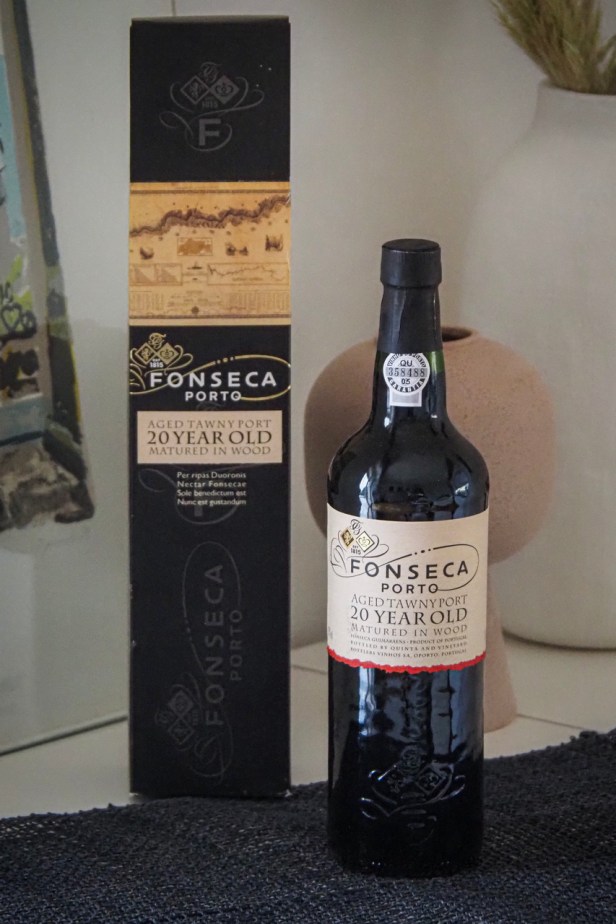
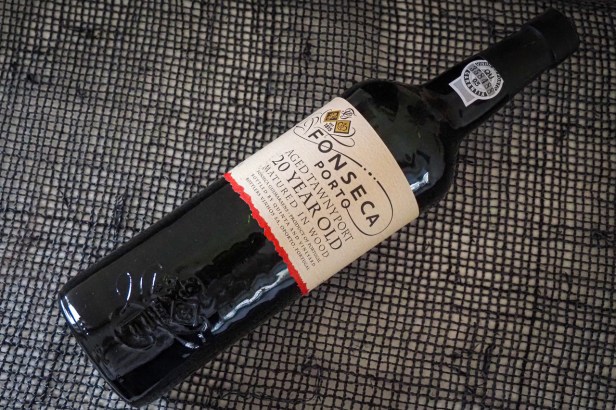
- Tawny Port is a blend made of Port wines from different years, aged in wooden barrels which changes the colour of the wine to tawny or rusty. It boasts flavours of brown sugar, toasted nuts, figs, crème brulée, vanilla, and exotic spices.
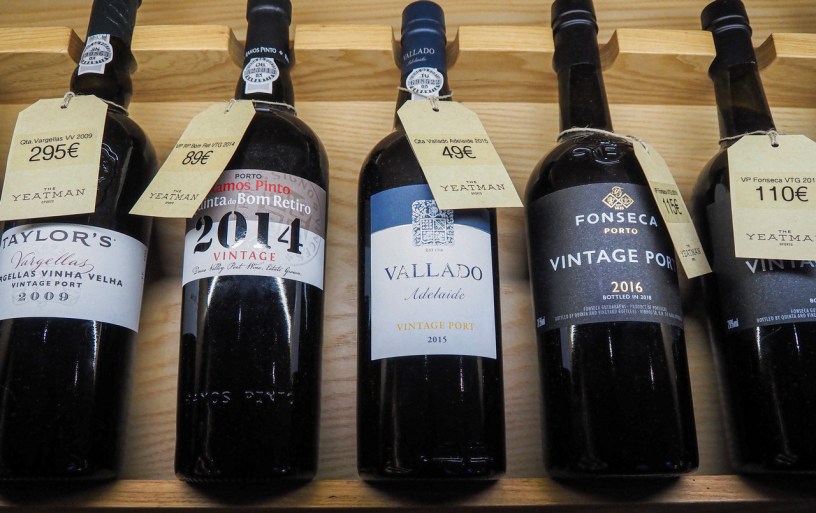
- Vintage Port is a Port made from a single vintage year which must be aged in barrels for a minimum of two years (so many will be aged for three years) before they are bottled.
- Single Quinta Vintage Port is made with grapes from a single wine estate (Quinta) in the same way as Vintage Port.
- Late-bottled Vintage Port is Port wine made from a single vintage year, bottled four to six years after harvest (and thus later than a ‘normal’ Vintage Port).
- White Port is made exclusively from white grapes and usually aged for 18 months in neutral vessels, albeit some higher-quality white Ports are aged in wood barrels. Typical flavour profiles of white port include notes of caramel, toffee, orange, lemon, appley and honey, and those aged in wood almond, venially and oregano.
What food to pair with Port wine
Port wine is a sweet, fortified wine, so it should be predominantly enjoyed at the end of a meal as dessert wine, right?
Let’s say, this is not totally wrong. Ending your dinner with a glass of Tawny Port wine sipped alongside dessert is certainly an enjoyable way to end a meal. But that should not stop you to elevate your dining experience to the next level and go for food and Port wine pairing for the whole, or at least parts, of your meal.
The rich, sweet and often fruity or nutty flavours of Port wine are working well with a variety of food. The best matches will depend on the type of Port, and as usual your own preferences.
Below, I have listed some of the best matches when pairing food with Port wine. So, the next time you will have one of these dishes, why not switch to a glass of Port instead of a dry wine. You might be surprised how much you will like it.
Ruby Port: Charcuterie, duck confit, smoked sausages, blue cheese, and spicy Asian dishes.
Tawny Port: Spicy Asian dishes, crispy duck, mushrooms, patés, nuts, dried fruits, and figs.
Vintage Port (including all subcategories): Beef and venison (especially when served with fruity sauces), mushroom based dishes, mousse au chocolate, dark chocolate, and Roquefort cheese.
Rosé Port: Appetizers, creamy rich soups, pizza, salad, smoked salmon, and cream cheese
White Port: Appetizers, salad, smoked salmon, grilled shrimp, fried sardines, sushi, and pasta.

