A foodie travel bucket list around the world to inspire your next trip.
The best way to discover a new destination, its local culture and tradition, is food. In addition, food is something that makes you remember a place more than many other local discoveries or activities after returning home.
Thinking back at holidays spend with my parents, travelling to many destinations around Europe, I do not clearly remember most of the places. What I do remember are those moments I discovered a new dish or tasted one that outdid an already familiar one by lightyears. Like when I tasted my first panna cotta somewhere in Italy. I do remember devouring my first pan de chocolate during a trip to Alsace (and I still remember it as the best ever, light and fluffy with a soft chocolate core and lightly dusted with icing sugar). I could go on and on with these examples.
Around the world, you will find popular dishes and unique local ingredients that are worth to be experienced in the place they come from, or the destination that has perfected its preparation and made it famous.
Of course, my list of foods worth travelling for is highly subjective. Though, if you read through, I hope you will agree that each of these foods, and the destination that stands for them like no other, are worth to be the next you will visit. I would love to hop on the next plane just for a plate of each of them; and because each of these destinations offer more exciting experiences beyond their flagship foods.
So, if food is playing an important role in your travels, consider this list as inspiration for your next adventure.
Paella – Valencia, Spain
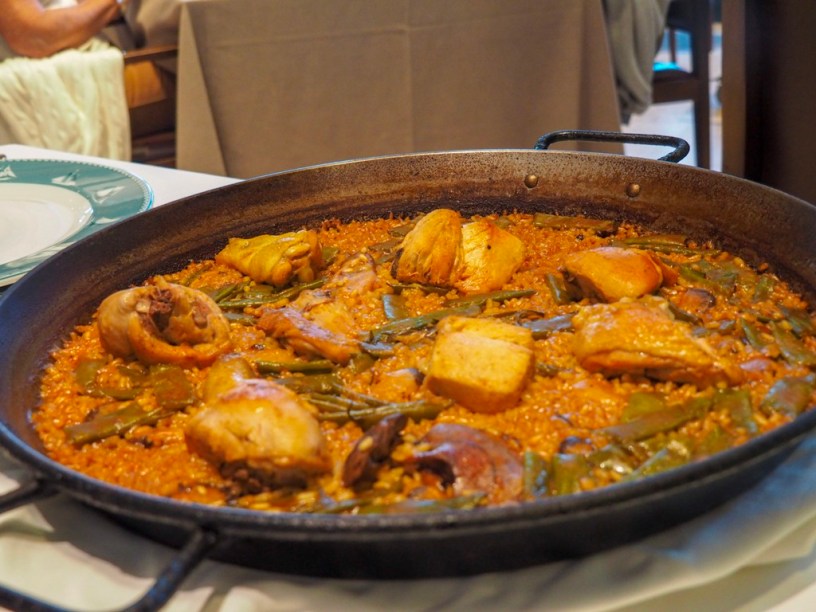
This classic Spanish rice dish is a favourite all over the world. Though nothing beats a paella enjoyed in the city where it was created: Valencia, in Spain.
While the origins of paella might actually go further back, the dish we all know well these days can be traced back to mid-19th century. It first appeared in the rural area near the Albufera de Valencia lagoon close to the city of Valencia.
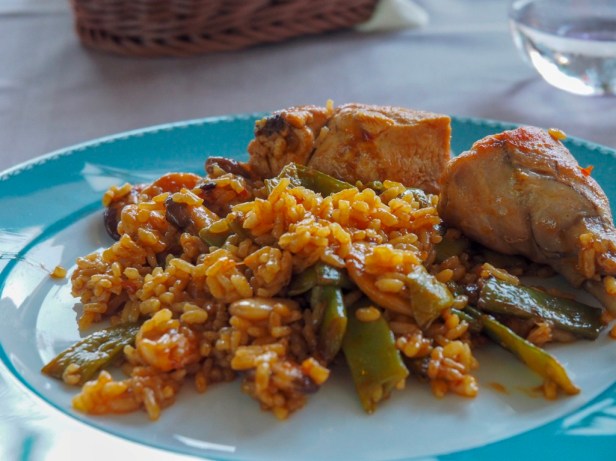
The dish is often served with seafood, which might feel natural considering it originates in a coastal Spanish city. However, the original recipe only includes rice, tomatoes, saffron, rabbit, chicken, lima beans, flat green beans, water, salt and olive oil.



By the way, did you know that in Spain paella is considered a dish for lunch. Spaniards usually avoid eating paella for dinner as it contains a lot of hearty ingredients that are not recommended eating in the evening.
Tapas – Sevilla, Spain
Perhaps even more famous than paella, the traditional Spanish tapas are a major draw for many to visit the peninsular.
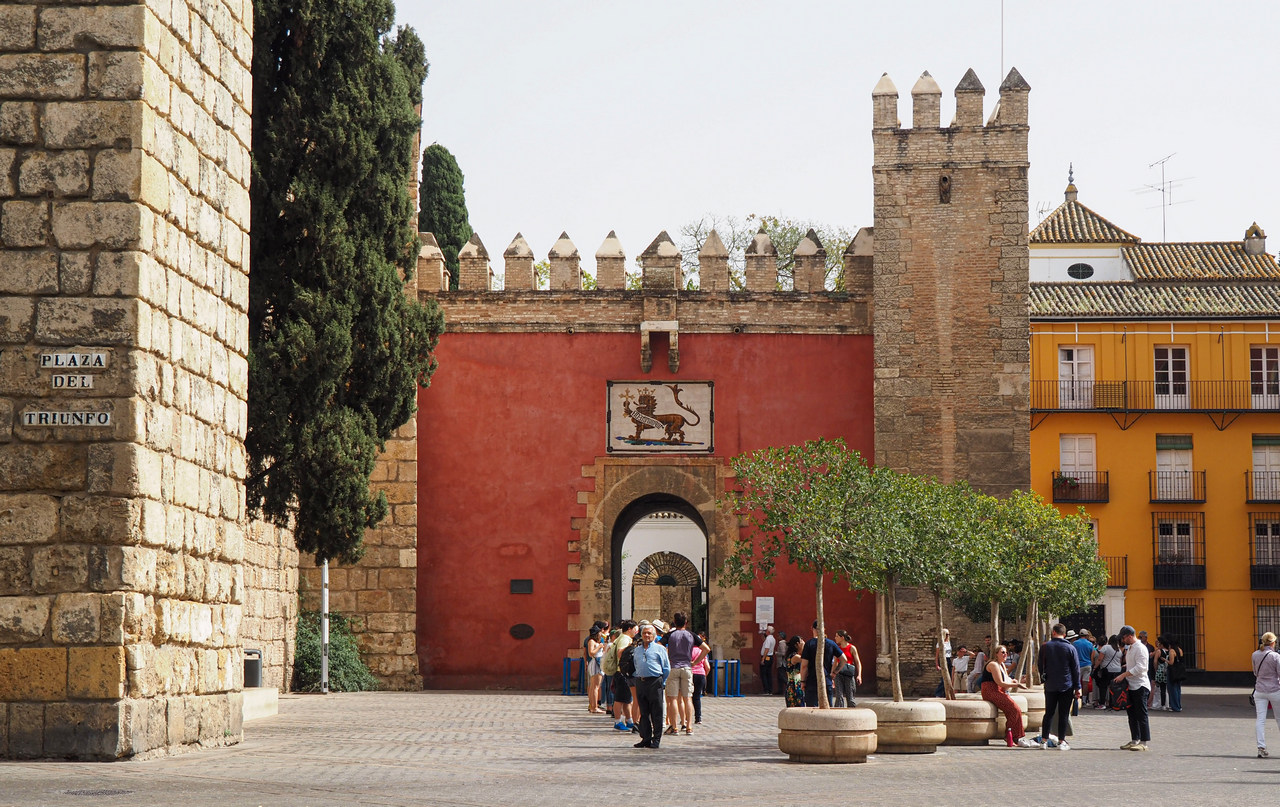
Originally invented in Sevilla – with two different legends claiming the invention. The first claims King Alfonso X of Castile decreed that wine must be served with food to prevent people from getting drunk. The second credits a server in a tavern covering a drink he served to King Alfonso XIII with a slice of ham to avoid that sand was blown into the drink due to strong winds. The truth is likely that tapas evolved from simple, small snacks to today’s elaborate small dishes.


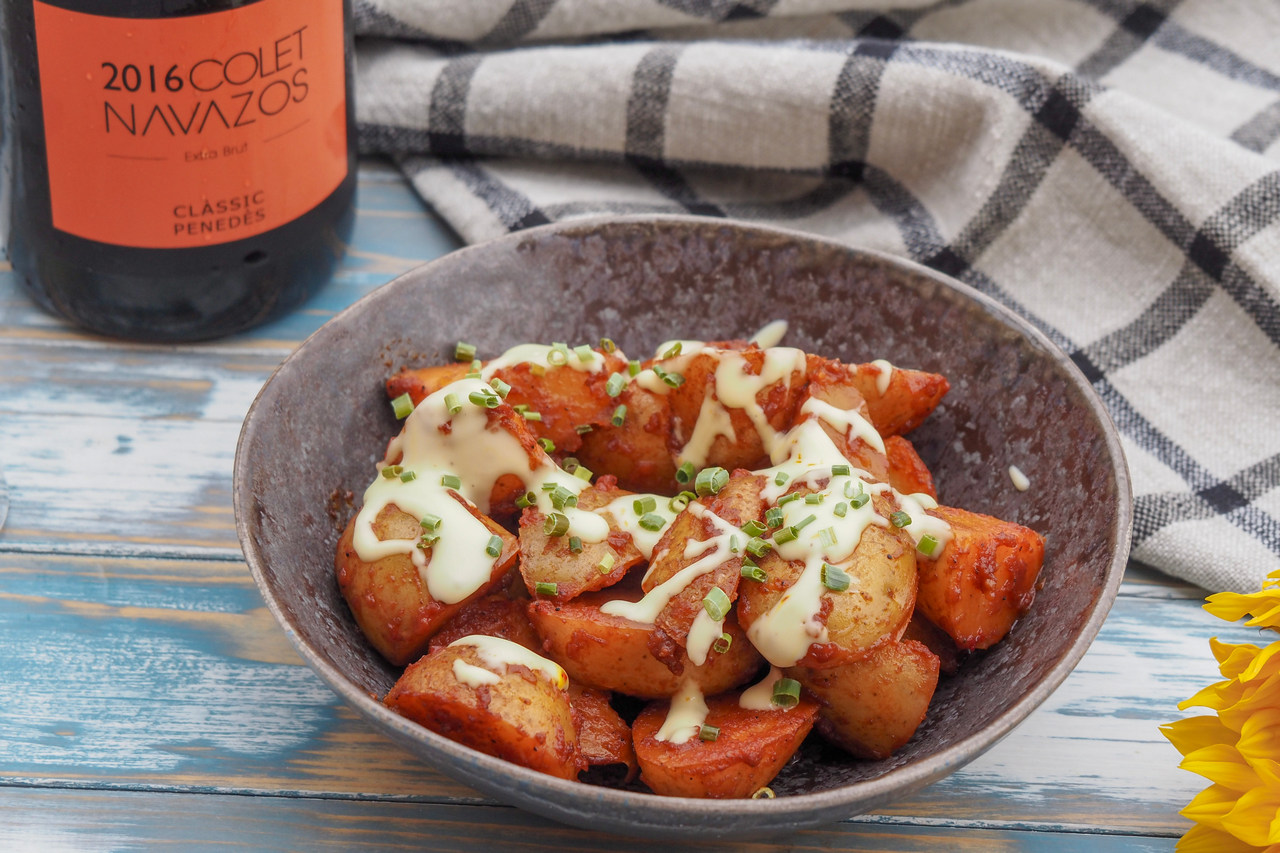
Tapas include a wide variety of small, flavourful snacks, ranging from simple ingredients like olives to elaborate small-size plates. True to the legends of its origins, tapas are traditionally served alongside drinks.
Created for sharing, tapas are the perfect snacks to taste a wide range of flavours either at one place or moving from tapas bar to tapas bar, where they are usually enjoyed informally, sometimes standing at the bar.
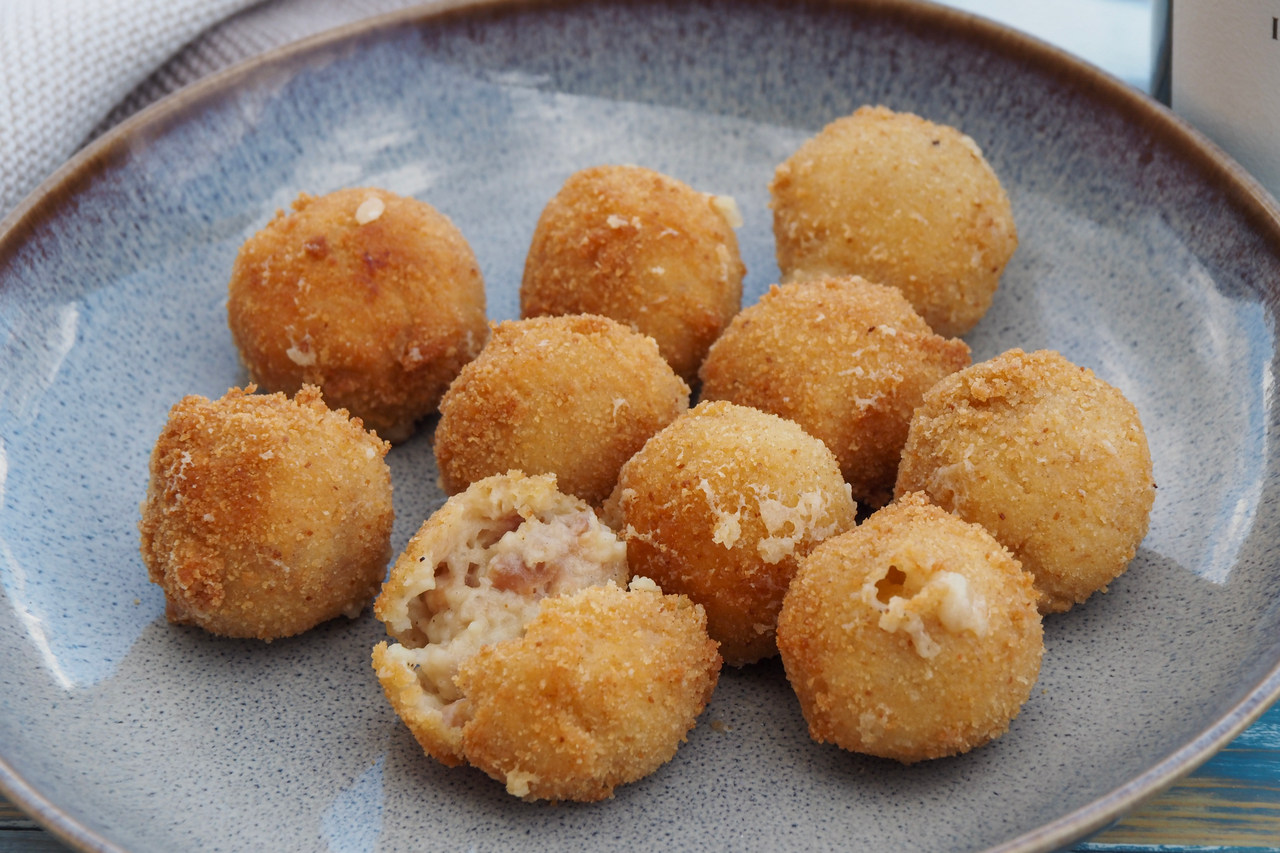
Served across the whole of Spain in various styles, there is still no other region that can fully compete with its original birthplace, Sevilla. The city is full of little tapas bars, while they will be served at market halls throughout the day and also at restaurants.
Sacher Cake – Vienna, Austria
The classic Austrian dense chocolate sponge cake was created in1832 by Franz Sacher in occasion of a formal event held at the court of Prince Metternich of Austria. That day, the chef responsible to prepare the food for the prince fell ill and the task to make dessert fell to then 16-year-old apprentice Franz Sacher.

Filled with a thin layer of apricot jam to balance out the slightly dry texture of the chocolate sponge and coated in a glossy, smooth dark chocolate icing, Sacher Cake is traditionally served with unsweetened whipped cream to balance out the sweetness.
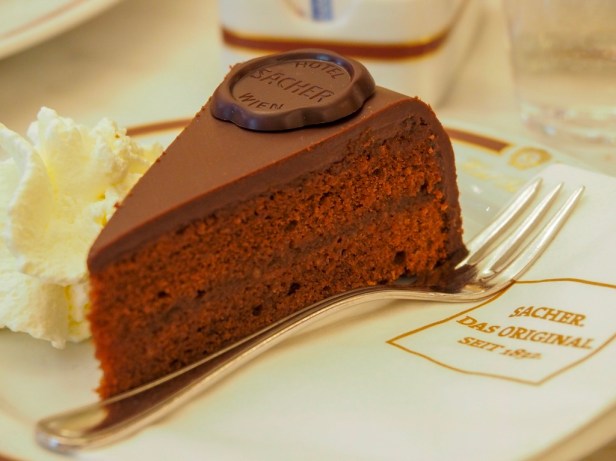
Now served widely around the world, heading to Vienna’s famous Café Sacher ordering a slice of the original, trademarked cake along with a Viennese coffee is clearly to top of the icing. It is still handmade according to the original recipe
And while you are there, why not dive even deeper in the local coffee houses? You will find many across the city worth taking some time off and dig into another coffee along with another cake.
Meatballs – Stockholm, Sweden
Thinking of Sweden, there are two foods that immediately pop up in my mine. Swedish meatballs and the delicious sweet kenelbullar, the local variation of cinnamon buns. While I would travel back to Stockholm for both of them, let me make a choice there and say, go for the meatballs. Simply because the local traditional version is so much deliciously rich and unique.
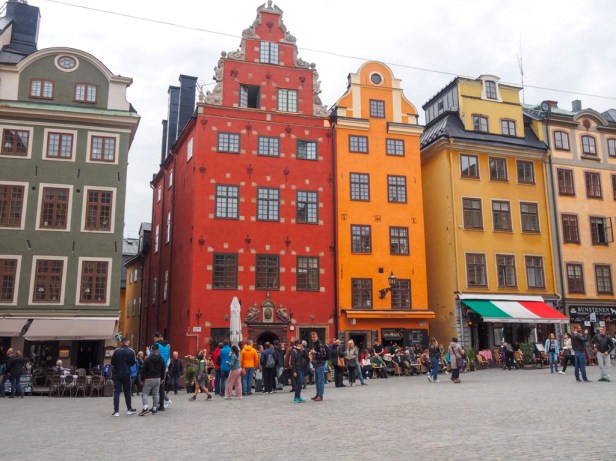
Called köttbullar in Swedish, these small, savoury balls are traditionally made from finely ground beef and pork, spiced with allspice and nutmeg and combined with breadcrumbs soaked in milk to keep them together. They are typically pan-fried until browned and served in a rich, creamy brown gravy.
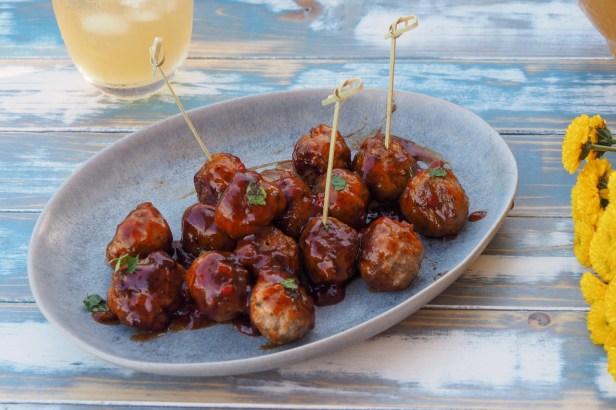
A classic meatball dish includes creamy mashed potatoes or boiled potatoes and lingonberry jam.
Poutine – Quebec, Canada
This classic dish originally from Quebec goes back to the 1950s and is hands down one of the simplest comfort foods you will find anywhere in the world. Over time this popular local dish has transformed into a nation-wide favourite.

The name comes from local slang and means ‘mess’, which perfectly describes what you will find on your plate. Poutine consists of crispy, medium-thick French fries topped with cheese curds and a rich brown gravy typically made from a mix of chicken and beef stock, added on top very hot to melt the cheese curd.
While the dish might look like a simple plate of French fries topped with sauce/gravy, you need to try this local icon to understand why it’s such a favourite. Rich in flavour and texture, it certainly tops your usual French fries with gravy.
Pad Thai – Bangkok, Thailand
Do I have to describe them? This famous dish consisting of Thai stir-fried rice noodles is traditionally served as street food in Thailand. It is characterized by a complex balance of sweet, sour, and savoury flavours.
Pad Thai is typically consists of soaked, stir-fried rice noodles, eggs, tofu, and a signature sauce made from tamarind paste, fish sauce, garlic, shallots, and palm sugar. It is often cooked with shrimp, chicken, or firm tofu.
By the way, while the dish is considered to be Thailand’s national dish, it has its roots in China. While the exact origins of Pad Thai are not clear, it is commonly acknowledged that it has evolved over the centuries from cooking styles brought to Thailand from Chinese immigrants.
Ramen – Tokio, Japan
This versatile Japanese noodle soup consisting of wheat noodles served in a savoury broth from either chicken, pork or fish and seasoned with soy sauce, miso, or salt today could be considered as one of the most popular globally adopted dishes.
Ramen is characterized by its five key elements: broth, tare, noodles, oil, and toppings like sliced pork, seaweed, and eggs. Each of these ingredients play a vital role in the final, unique flavour and texture.
While widely served at Japanese restaurants around the world, if you want to taste ramen made to perfection, a trip to Tokio is in the books.
Kimchi – Korea
Typically made from salted, seasoned, and fermented vegetables, usually napa cabbage and radishes, this traditional national side dish displays a complex, pungent spicy, sour, and savoury, flavour profile with a slightly fizzy, crunchy texture.
Rich in probiotics and vitamins, Kimchi plays an important role in almost every Korean meal and can be used in soups, stews and fried rice.
Cape Malay Curries – Cape Town, South Africa
There are so many reason to plan a trip to South Africa. From the amazing, varied landscape to wilderness safaris, beautiful beaches, the Cape Winelands and one of the world’s greatest food cities, Cape Town, it’s hard not to get captured right away.



But despite all the reasons to plan a trip to South Africa, learning more about the diverse bland of different traditional local flavours derived from the nations African, Dutch, Indian and Maley influences is a valid a reason as the many others.
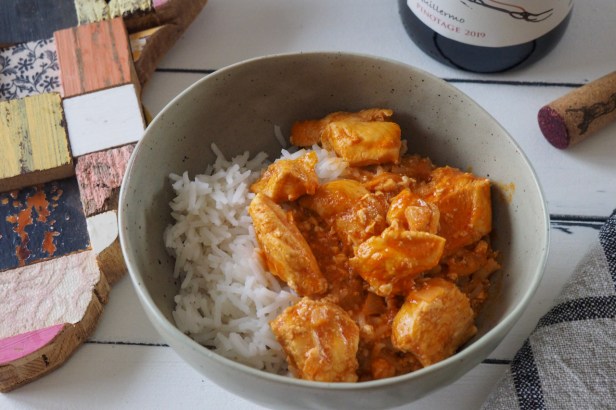
To pick just one of these, the rich flavours of the Cape Malay curries are not to be missed.
Originally from the Cape Malay community in Cape Town’s Bo-Kaap area, Cape Malay curries have evolved into a flagship South African dish.
Blending Indonesian, Malaysian, and Indian cooking traditions, Cape Malay curries are traditionally mild, fragrant, and slightly sweet, often made with tender meat (chicken or lamb) simmered with potatoes, onions, and tomatoes. Other variations might include dried fruits like apricots, or chutney to balance the spices.
Key West Shrimp – Key West, Florida, USA
There are shrimp and then there are Key West shrimp. Usually featuring a pinkish colour, wild-caught Key West Shrimp are renowned for being very sweet and tender, and above all chemical-free, and sustainably harvested.
What sets them apart from other shrimp is a firm texture and a sweet, salty flavour.
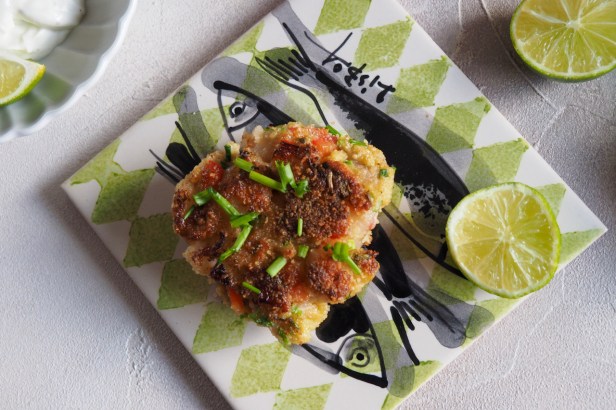
A staple in Florida cuisine, Key West shrimp (and other shrimp caught around the Florida coastline) are served in many variations. However, some of the most popular local ways to serve shrimp include simply boiled shrimp, zesty shrimp ceviche, grilled shrimp with mango salsa, shrimp cake or a Florida shrimp pie.
Do you have a favourite food you are prepared to travel for to get the best version? Let me know which one in the comments below.

