8 signature cocktails you must order on your next visit to Milan, Italy
Whether you are in Milan for the Milano-Cortina Olympics right now or you are planning a visit at any other time, there is one thing you need to add to your must-do list. Going for an aperitivo before dinner, and order one of the city’s signature cocktails.
While perhaps better known to most as the fashion capital of Italy, Milan is widely credited as the birthplace of the famous Italian aperitivo culture. Or it has at least heavily contributed, considering it was the birthplace of many famous spirits and liquors which form the base for many of Italy’s most popular cocktails. Just to name the perhaps best-known (in chronological order): Amaretto di Saronne (1525), Ramazzotti (1815), Fernet Branca (1845), Zucca Rabarbaro (1845), Campari (1860), and Ginrosa (1885).
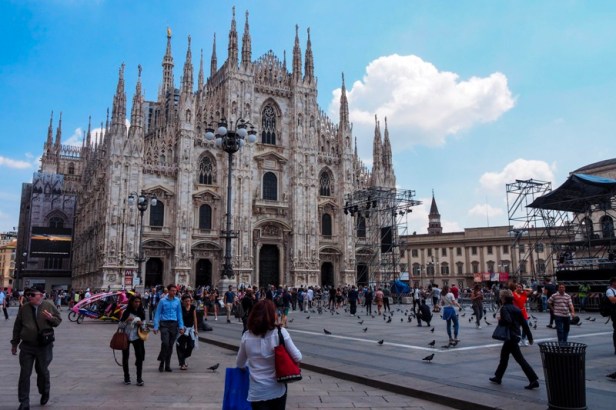
So, grab a seat at one of the city’s historic or trendy cocktail bars and order on of the signature cocktails it is famous for. There is no shortage of places offering these drinks and the traditional stuzzichini (small bites offered usually for free to go with your drink), but if you wonder which of the many bars is the best for your aperitivo, check out my recent post Where to go for aperitivo in Milan.
Popular all over Italy and beyond, these eight cocktails have been invented in Milan based on the city’s famous bitter liqueurs.
Amaretto Sour
The iconic Amaretto is made in the town of Saronno at the outskirts of Milan since the Renaissance. Hence the original is also known as Disaronno. The popular, refreshing Amaretto Sour combines almond-flavoured Amaretto with fresh lemon juice. Originally created in the 1970s, today’s modern version of the drink usually adds bourbon for depth, simple syrup for balance, and egg white for a creamy, foamy texture.
Americano (Milano-Torino)
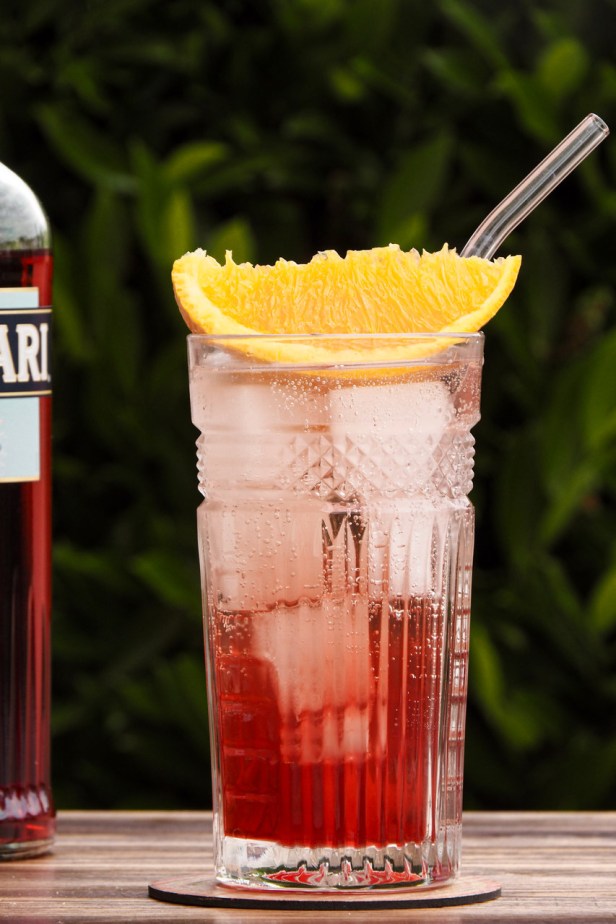
Equal parts Campari and sweet Vermouth topped with sparkling water. It is the perfect low-alcohol refreshing cocktail for a warm summer evening and. The drink shares the Campari, sweet vermouth and the orange peel or slice with the famous negroni cocktail. However, omitting the gin, and served in a highball glass that’s topped with club soda turns the Americano into a lighter version.
The Americano was invented in the 1860s at Gaspare Campari’s famous Italian cocktail bar. Originally known as Milano-Torino, the cocktail was named by its two main ingredients: Campari hailing from Milan and sweet vermouth from Turin. Being a lighter and less bitter version of the classic Negroni, the drink quickly gained in popularity among American tourists, which led to the new name.
While the drink resembles the classic Negroni, it is the other way around. Invented in the 1860’s the Americano predates the Negroni by several decades. In fact, the Americano can be considered the blueprint for many classic Italian cocktails.
Bicicletta
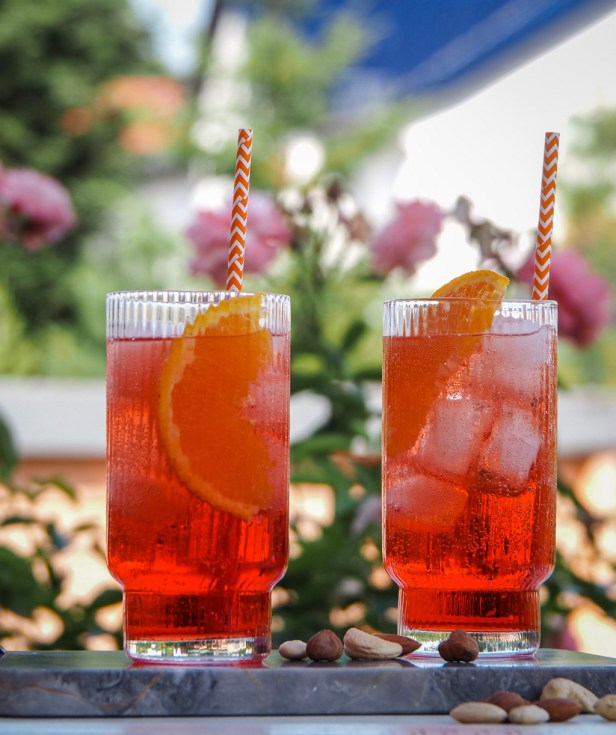
A popular summer spritz, this Campari-based cocktail was invented in Milan in the 1930s. As legend goes, the cocktail takes its name from the preferred method of transportation (the bicycle, bicicletta in Italian) of elderly man consuming the cocktail in the afternoon or evening before returning home for dinner on their bicycles.
You could call this cocktail the grown-up version of the popular Aperol Spritz. Swapping prosecco with white wine results in a slightly sharper bitterness, as the white wine allows the typical Campari flavour to shine through more prominently.
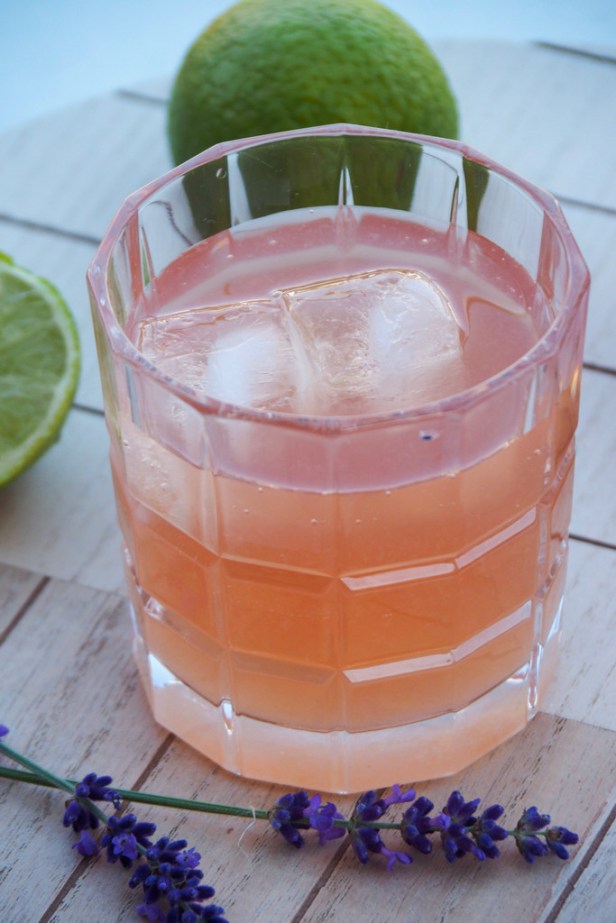
Campari Soda
It can’t get simpler yet deliciously refreshing. First created in the iconic Bar Camparino, many believe it was this very drink that marks the starting point of Italy’s famous aperitivo hour. Or perhaps, it was the innovative soda water system that was installed in the bar, allowing the bartenders to easily mix up a large number of refreshing Campari Soda.
The Campari Soda comprises one part Campari and two to three parts soda water, often served over ice with an orange slice.
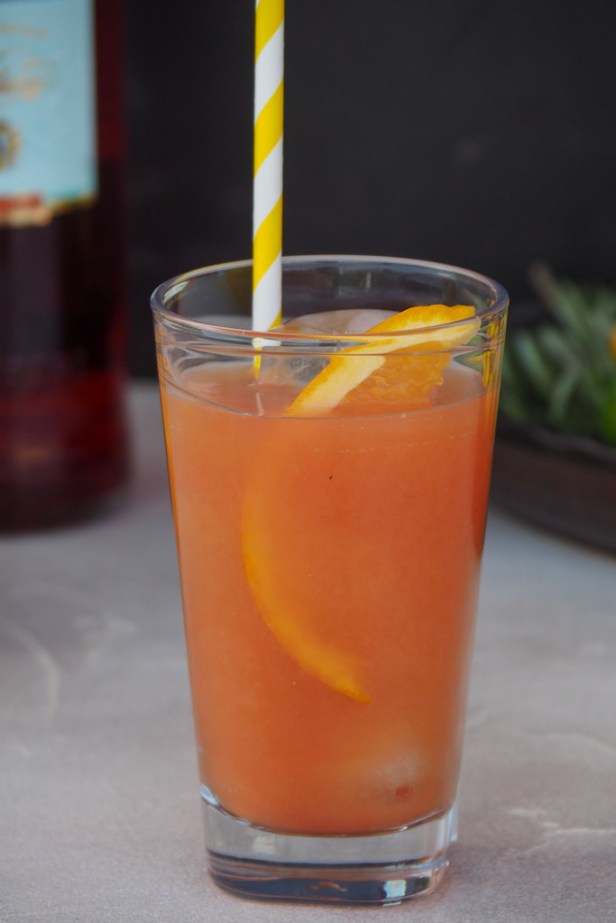
Garibaldi
Campari and freshly squeezed orange juice. Simple and refreshing. The drink named after Italy’s famous 19th century revolutionary Giuseppe Garibaldi, the leading figure in the unification of Italy is also famously known as Campari Orange. It is typically served over ice in a highball glass with an orange wedge garnish.
Ginrosa Shakerato
It was the year 1885 when Annunciata Bournè took over a small café/bar nestled in Galleria San Babila in Milan and quickly invented the Ginrosa bitter as an alternative to Campari. The name might be misleading, but Ginrosa is a classic bitter liquor composed of 20 different herbs. The bar itself, still at the same place today, serves Ginrosa in a wide variety of drinks. But the most popular remains its flagship Ginrosa Shakerato, which translates into shaken. And that is the main secret behind the drink. Its violently shaken in a cocktail shaker over ice, lending it a frothy texture and bringing out rich floral, citrusy and spicy aromas.
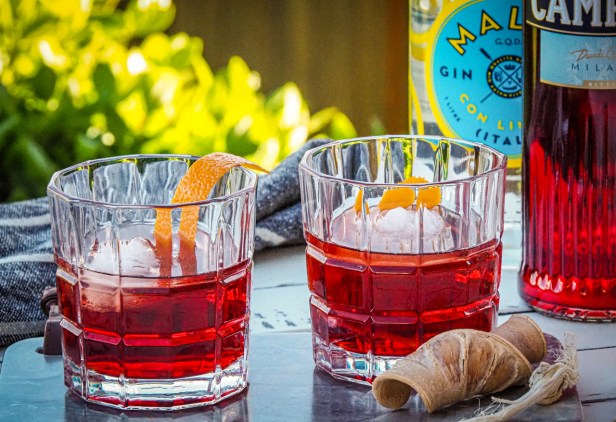
Negroni
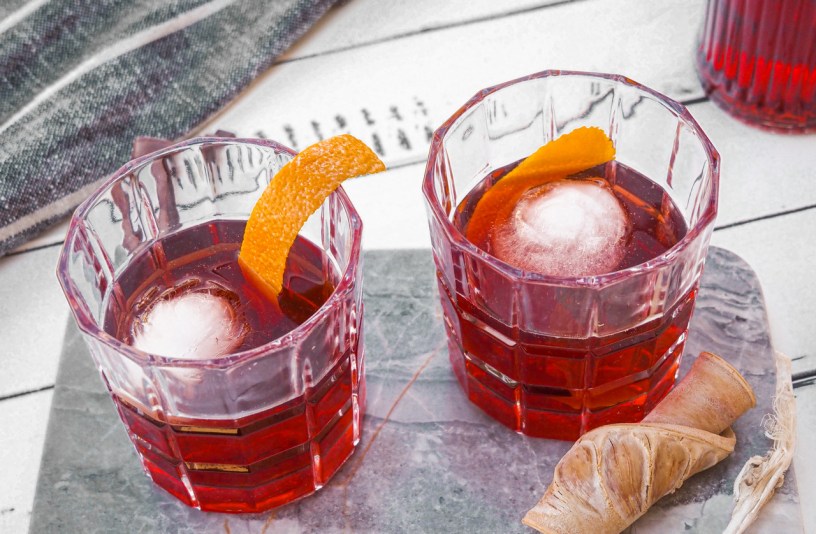
A Milan classic though one of the few cocktails based on bitters originating from the city that was invented outside of town. More precisely it was created in 1919 by bartender Fosco Scarselli at Caffé Casoni in Florence after he was asked by Count Camillo Negroni for a bit more strength in his Americano cocktail. So, he replaced the soda water with gin, and the rest is history.
That said, Milan’s barkeepers have truly perfectioned this all-time classic. It is characterized by a complex, bittersweet blend of herbal notes from the gin, sweetness from the vermouth, and intense, orange-herbal bitterness from the Campari. Served over ice in a rocks glass with an orange peel garnish, it is known for its electric red colour and for many it is the best pre-dinner cocktail ever invented.
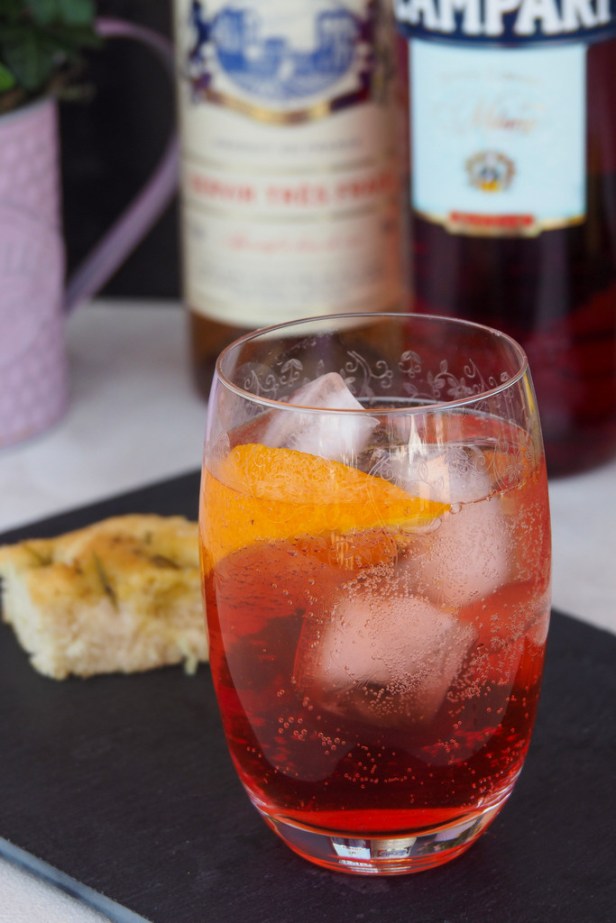
Negroni Spagliato
Created by mistake in Milan’s Bar Basso in the 1970s when bartender Mirko Stocchetto topped the drink with prosecco instead of gin. The result was a lighter, bubbly cocktail characterized by a bittersweet, crisp, and slightly fruity flavour profile.
By the way, should you not plan a trip to Milan anytime soon, all of these classic cocktails will be served anywhere in Italy, and in most other bars around the world. Or you could simply mix them up at home. After all, these are some of the easiest cocktails to make. Find most of the instructions here:
Meet the Americano, Negroni’s lighter brother
Bicicletta Cocktail | The Low Alcohol Classic Italian Spritz Cocktail
 Carrots and Tigers