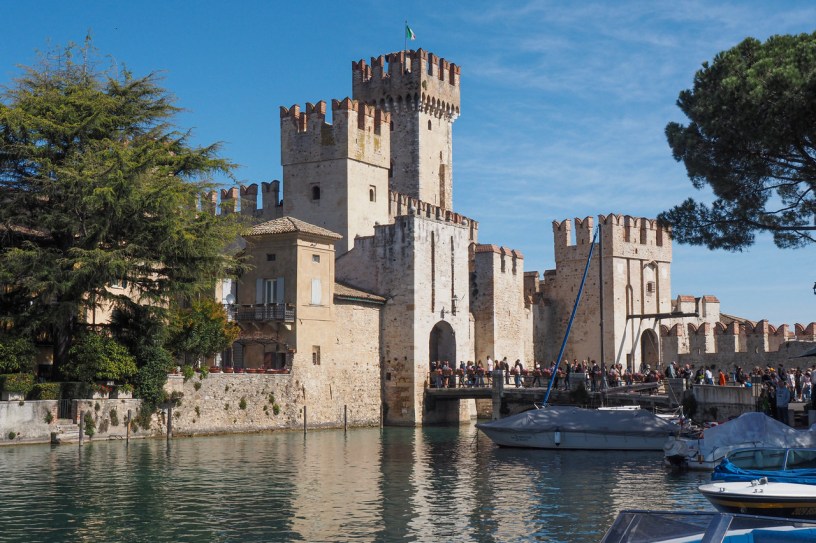
The charming ancient village built on a small peninsular at the southern tip of Lake Garda deserves a place on your itinerary.
I’ve just spent the long Easter weekend revisiting the beautiful village of Sirmione at the southern tip of Lake Garda, immersed in memories of the past and the reality staying at a hugely popular destination.
Italy’s serene Lake Garda, and specifically this little hamlet nestled at the tip of a small peninsular at the southern end of the lake, has always been one of my favourite places to be. And yes, over the years, it has turned quite touristy, with high visitor numbers even during shoulder season. Many visit only for a day, spending few hours inside the village, and observing nearly everyone busy taking that picture-perfect shot in front of the historic castle, it almost feels like most visitors are here mainly to tick off a bucket list item before moving on to the next destination.
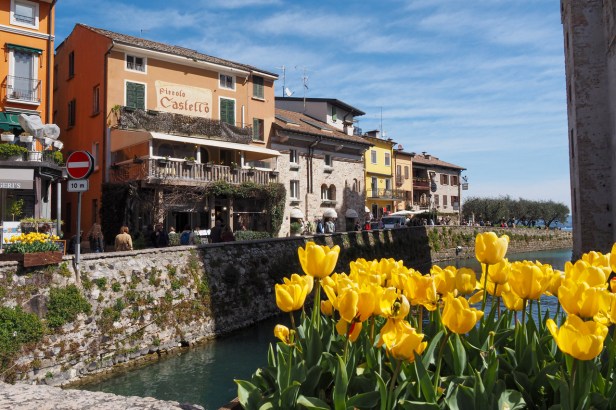
Which truly is a shame, because the little peninsular has so much more to offer than the stunning Scaligero Castle that in recent years seems to have become synonymous with the place.
If you follow me here on the blog or at Carrots & Tigers Culinary Corner over at Substack, you might have already picked up on my comments about the village, how it has changed from the time I used to be a regular here over 20 years ago, how I feel about that change, and why it remains a place that despite all the change that still feels like a second home.
If you did miss the posts, you can read them here and here.
Considering the huge popularity of Lake Garda, and high visitor numbers, you might question yourself if it is still worth to visit. The answer, as usual, is not straightforward. Yes, there are high numbers of tourists. Yes, the majority of the small shops sell mass-produced souvenirs. Yes, food is not cheap (and not always good). But there is still the sheer beauty of the small village, the cultural importance of its main spots like the Scaligero Castle, and the quieter spots like the small parks and hotel gardens away from the busy streets allowing you to slow down and enjoy the famous Italian dolce far niente.
How to arrive at Sirmione, Lake Garda
The picturesque village is located at the southern end of Lake Garda, about an hour from Verona. The nearest airport is Verona Valerio Catullo which is approximately 30 kilometres away. While it is technically possible to reach Sirmione in around 30 minutes from the airport, the usually high traffic means it will take a more realistic 45 minutes minimum to arrive.
If you are planning to stay at a hotel in the village, and want to tour around the lake, the best option will be renting a car.
However, if you plan to explore the nearby surroundings at a slower pace (see my suggestions on that below), I recommend consider taking a taxi or arrange a private transfer from the airport. This means, you do not have to navigate the pedestrianized village on a special permit, which can feel claustrophobic.
Where to stay in Sirmione
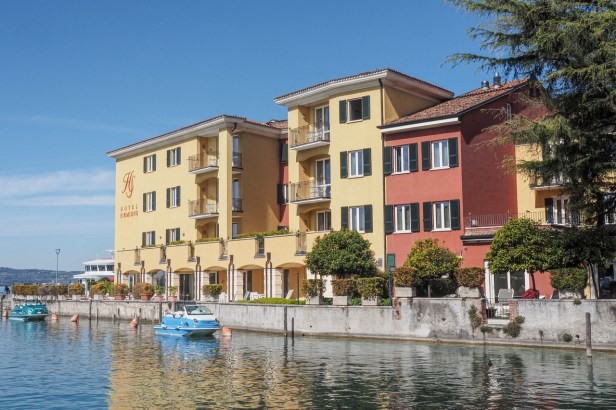
If you plan to stay a few days, there is a large number of hotels in the area. The most beautiful part obviously is within the historic part behind the Scaligero Castle. There are however also hotels lining the small peninsular towards the historic town.
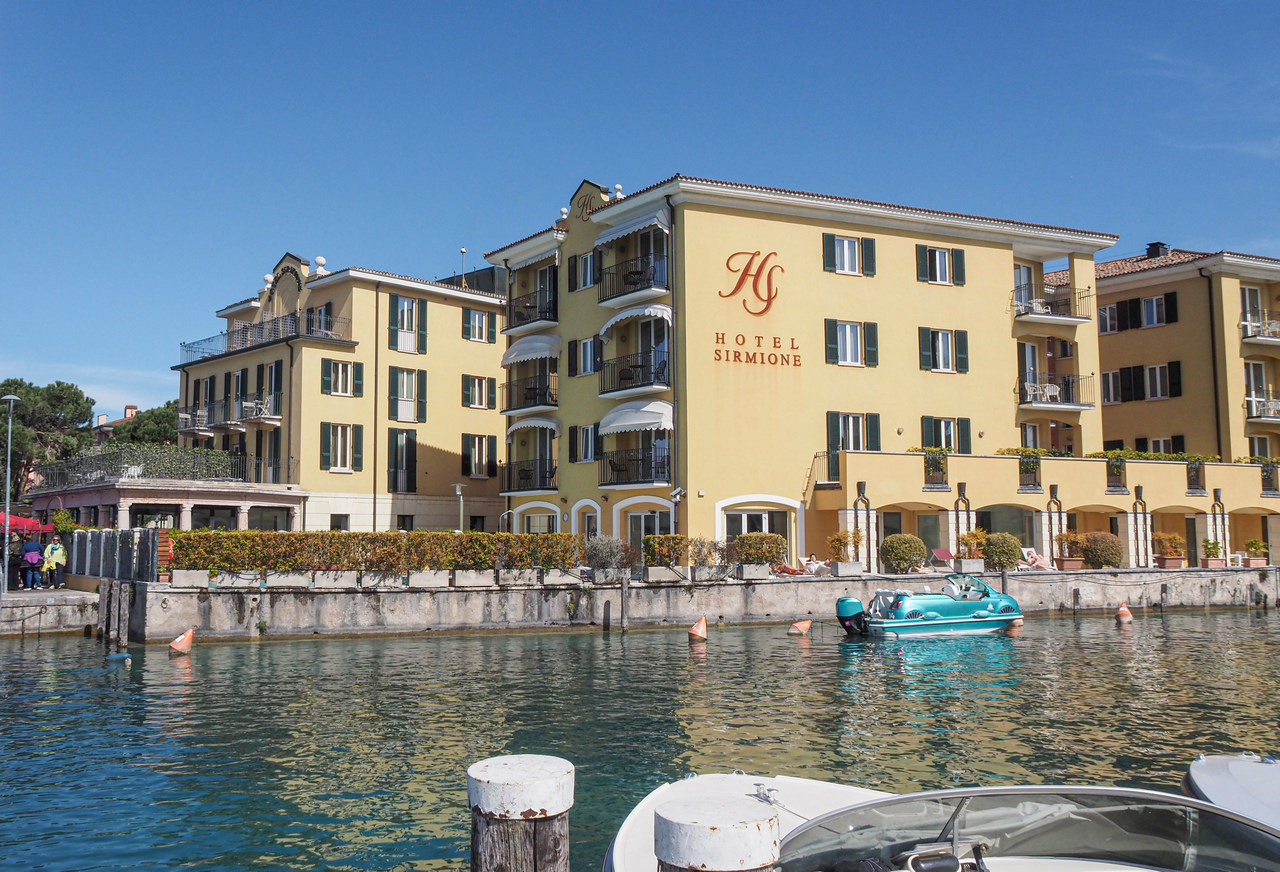
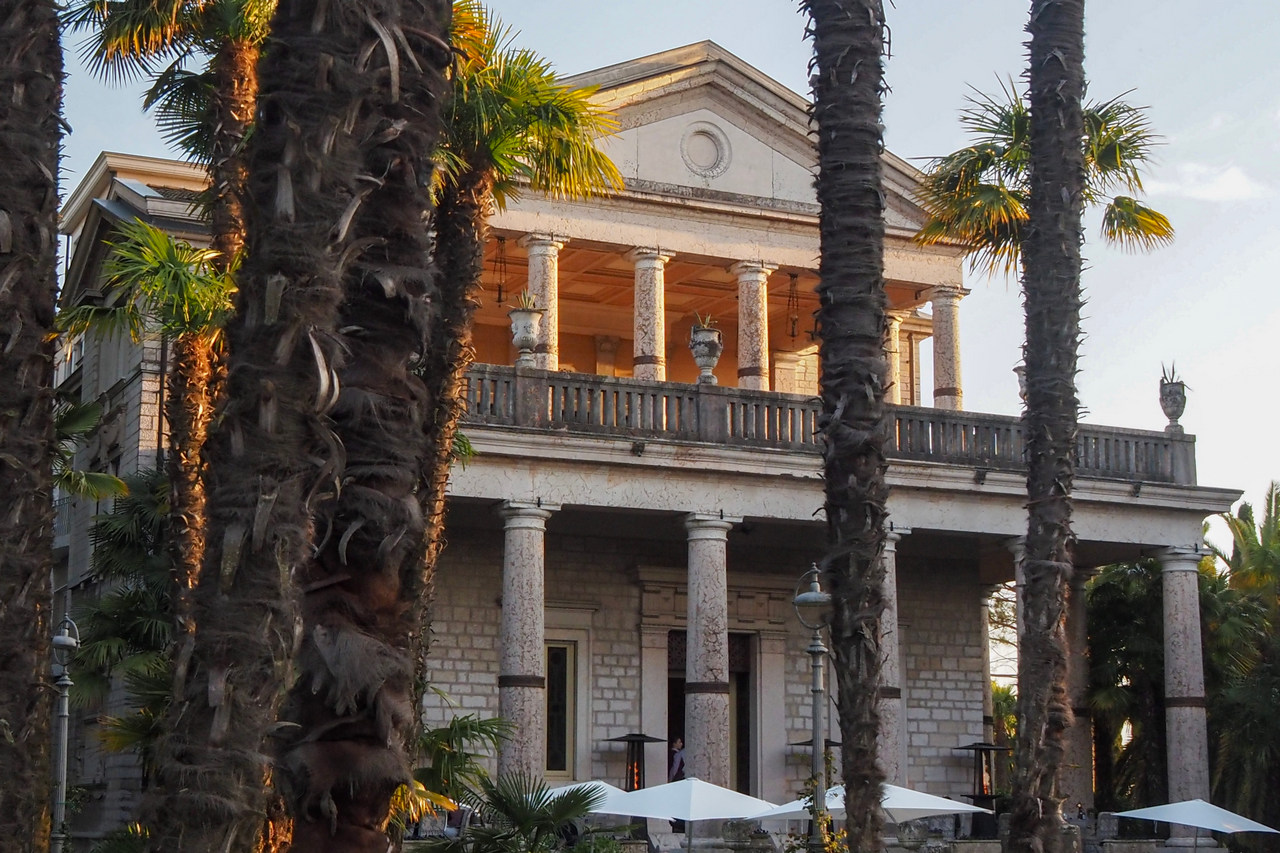
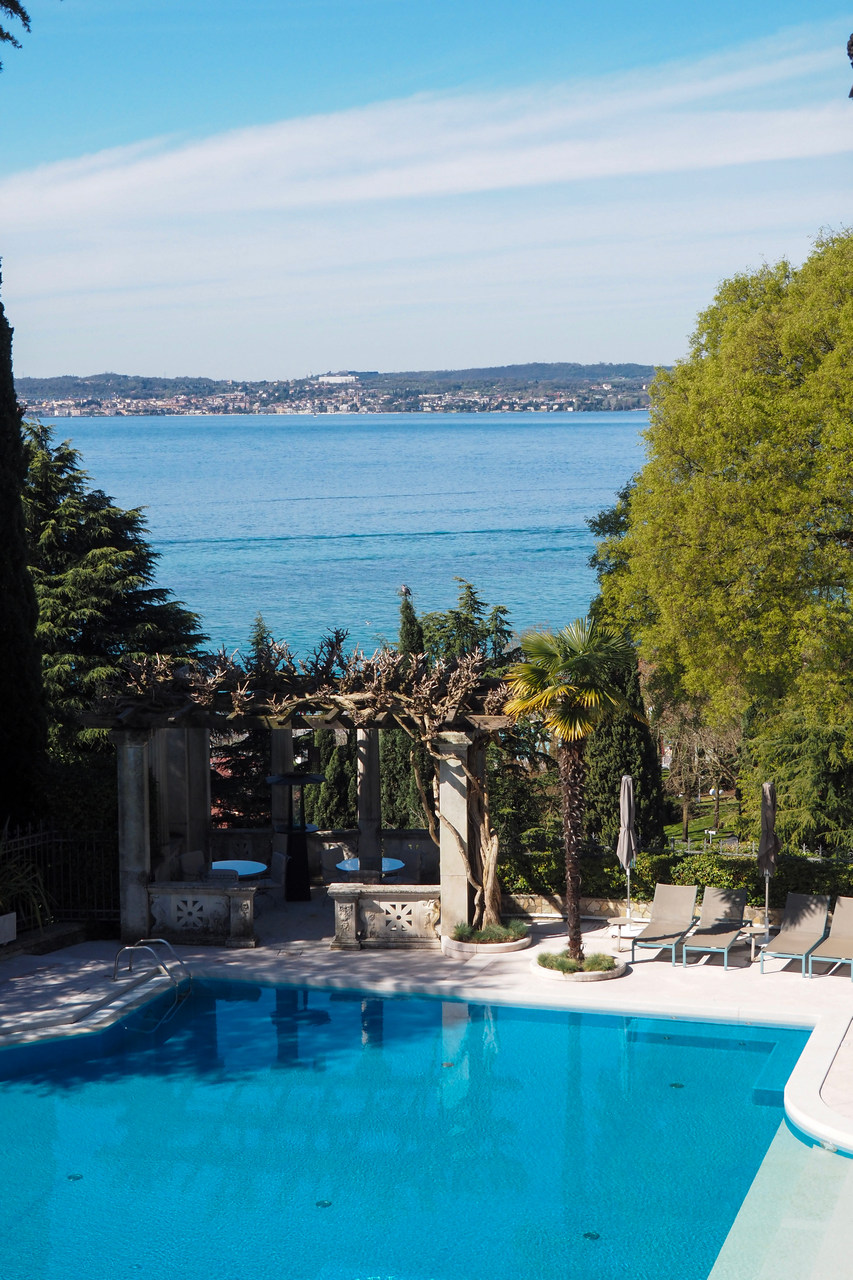
If you are looking for luxury accommodation, Grand Hotel Terme just opposite the gate into the village is a great option. Inside the village, your option includes Hotel Sirmione Terme bordering the lake and overlooking the harbour, Hotel Continental Wellness & Spa and the stunning, five-star Relais & Chateaux Villa Cortine Palace Hotel.
How to get around Lake Garda
If you are planning a trip around the lake, the best option is going by car. The scenic route around the lake from Sirmione in the south up to Riva del Garda in the north and back down on the other side of the lake stretches for around 150 kilometres. While it’s possible to drive the whole route in one day, I do not recommend doing a one day round-trip. The lake and its many beautiful villages along with the wider surroundings including the nearby vineyards is best explored at a slower pace and possibly staying at various villages during the trip.
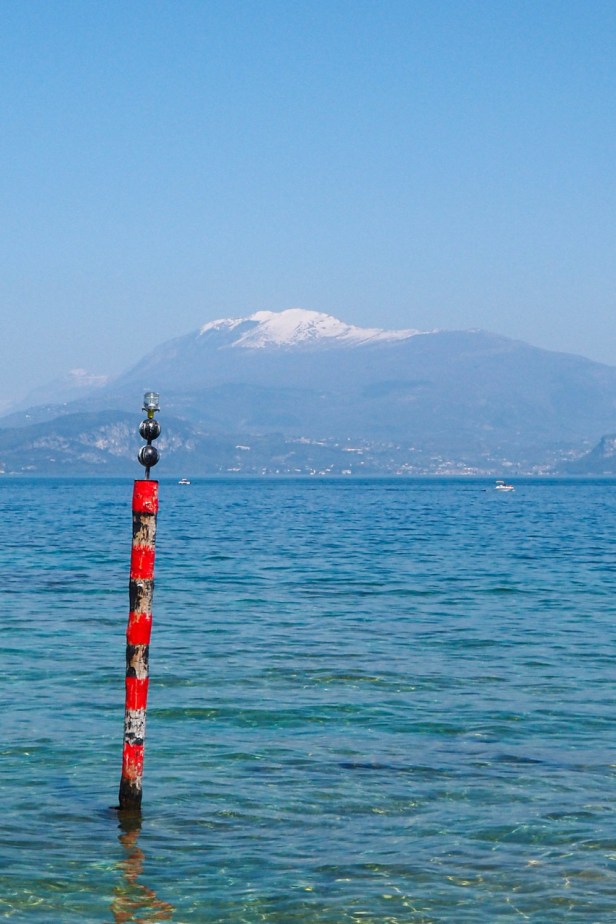
Another way to explore Lake Garda is using the ferries connecting the various villages around the lake. Operated by Navigazione Laghi, they are the official public transport system of the lake, connecting the various villages around the whole lake. For exploring, they can be used as hop-on-hop off with the free-circulation tickets that allow you to use as many connections as you want for one or three days. In addition to getting from one village to another, the ferries are a great way to explore the lake from the water, ideally from a spot on the sundeck.
While a great alternative to driving, taking the ferry to explore Lake Garda means you will go on a much slower pace. For example, the ferry from Desenzano in the south all the way up to Riva del Garda in the north will take the whole day (getting up and down again). You might also have to take connecting ferries as not all will stop at any village on the lake.
How much time should you plan to visit Sirmione
You can easily walk from the entrance of the village through the Scaligero Castle to the northernmost tip of the peninsular in around 15 minutes.
Even exploring the various spots worth spending some time, like the castle and the grotto, as well as spending some time at the beach, and having a coffee/cocktail and perhaps lunch, would be feasible in a day.
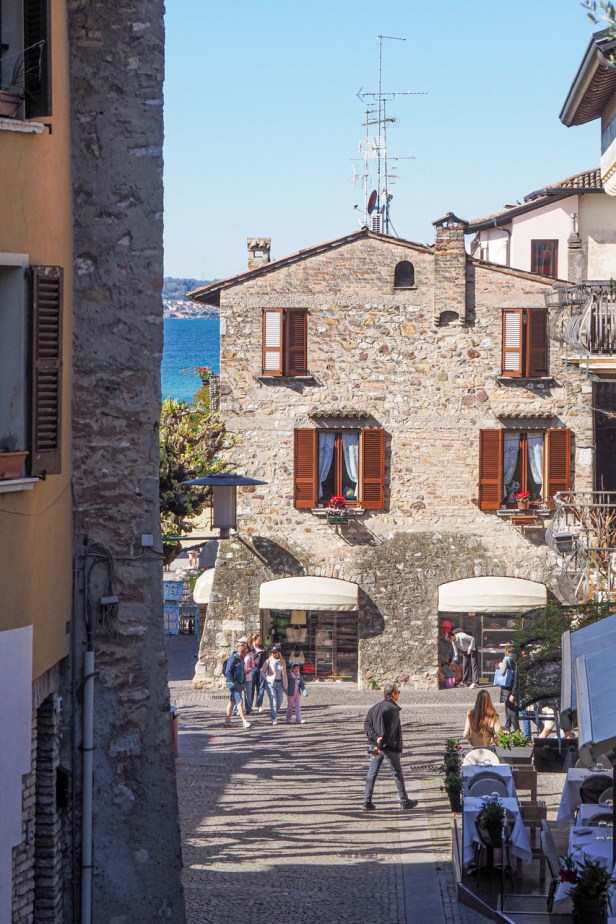
That said, if you are planning to visit, I strongly recommend staying overnight. Sirmione starts to feel completely different in the evening and early morning, when the number of visitors is much lower (though the small alleys will still feel lively, particularly in the evening when the bars and restaurants stay open until late).
What to see and do at Sirmione, Lake Garda
Below, I have rounded out the main spots and activities you should include to your itinerary while visiting this beautiful spot of Lake Garda.
Scaligero Castle
The imposing 13th-century fortress that makes the entrance to the old town is one of the best-preserved castles in Italy. The iconic structure features a drawbridge, high towers and a unique lakeside walled harbour.
Built by the Della Scala family, the Scaligeri, who ruled Verona and the surrounding area from the mid-13th to late 14th century, the fortress was initially built as a defensive stronghold and naval base to control the whole area.
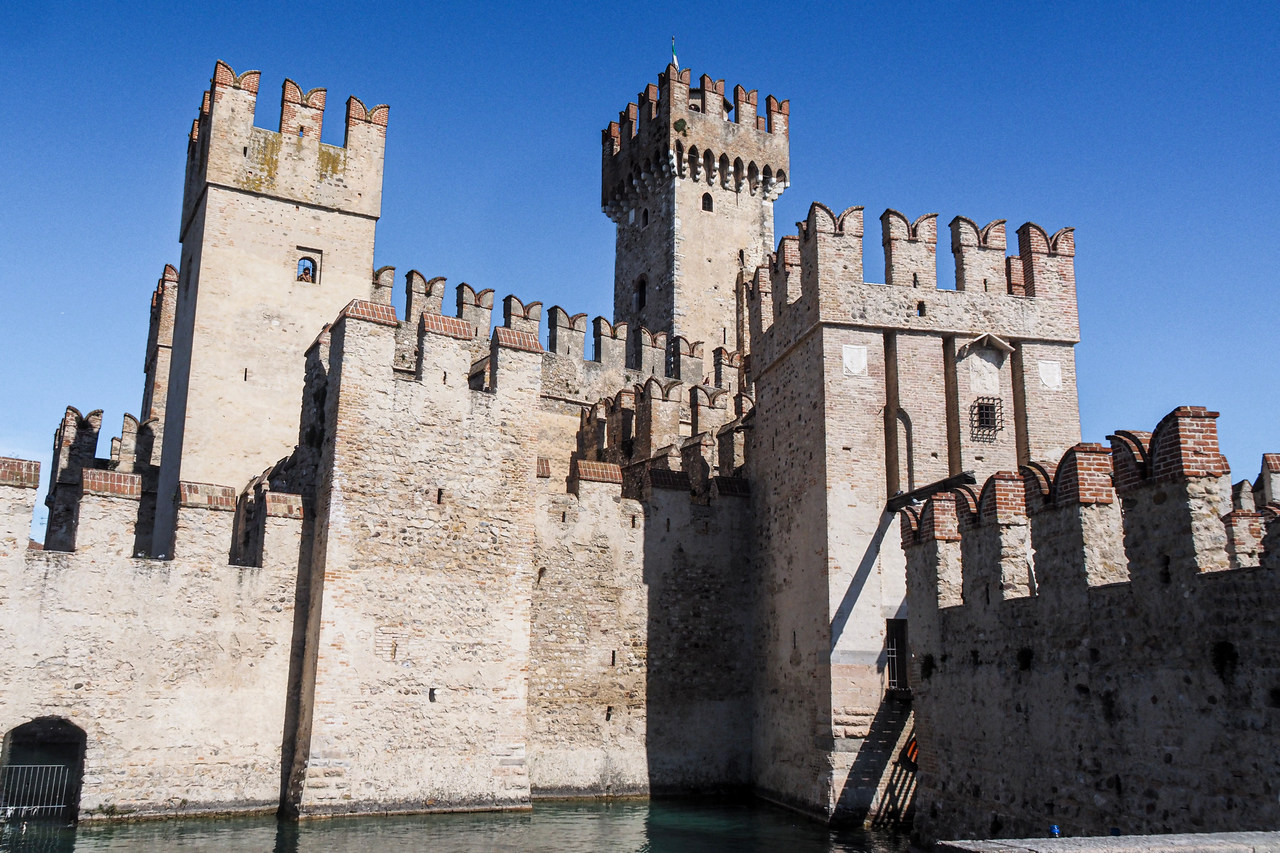
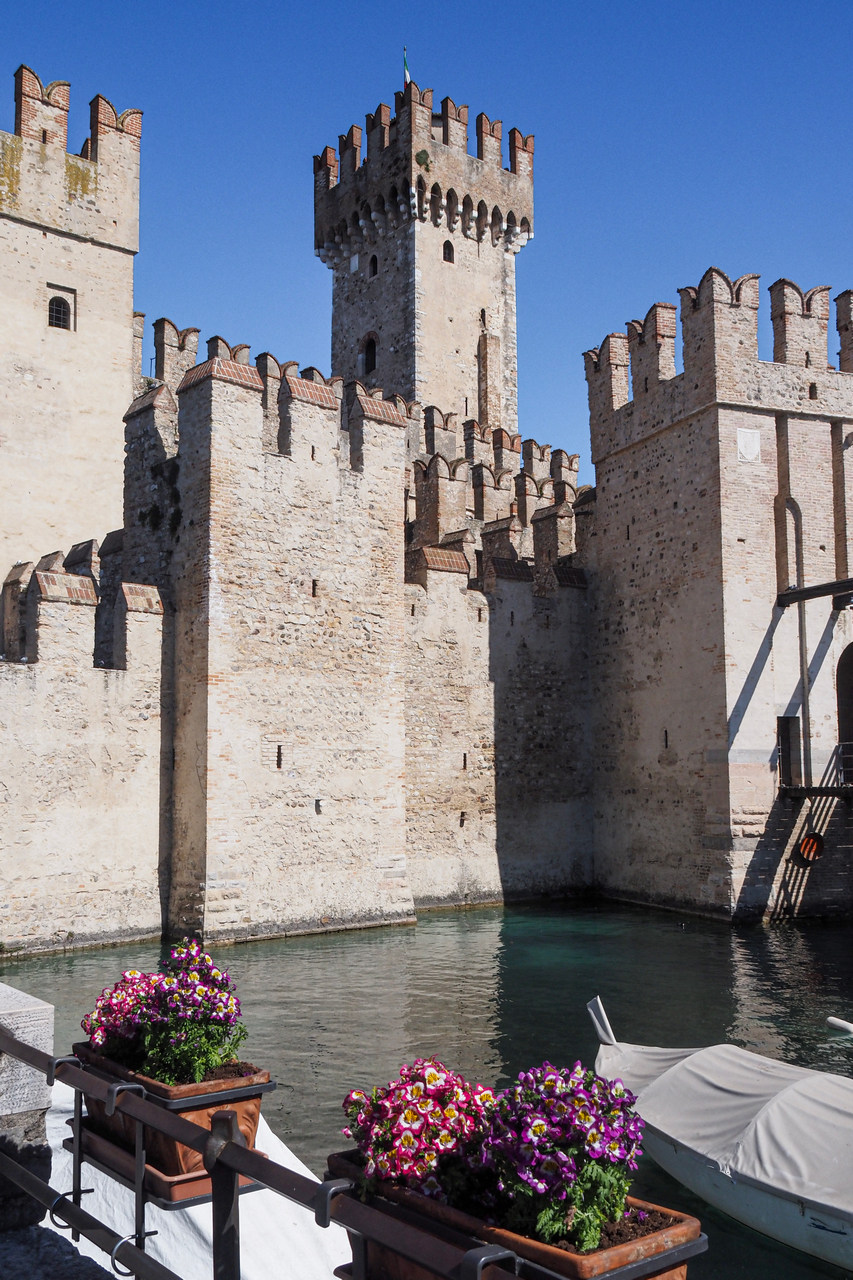
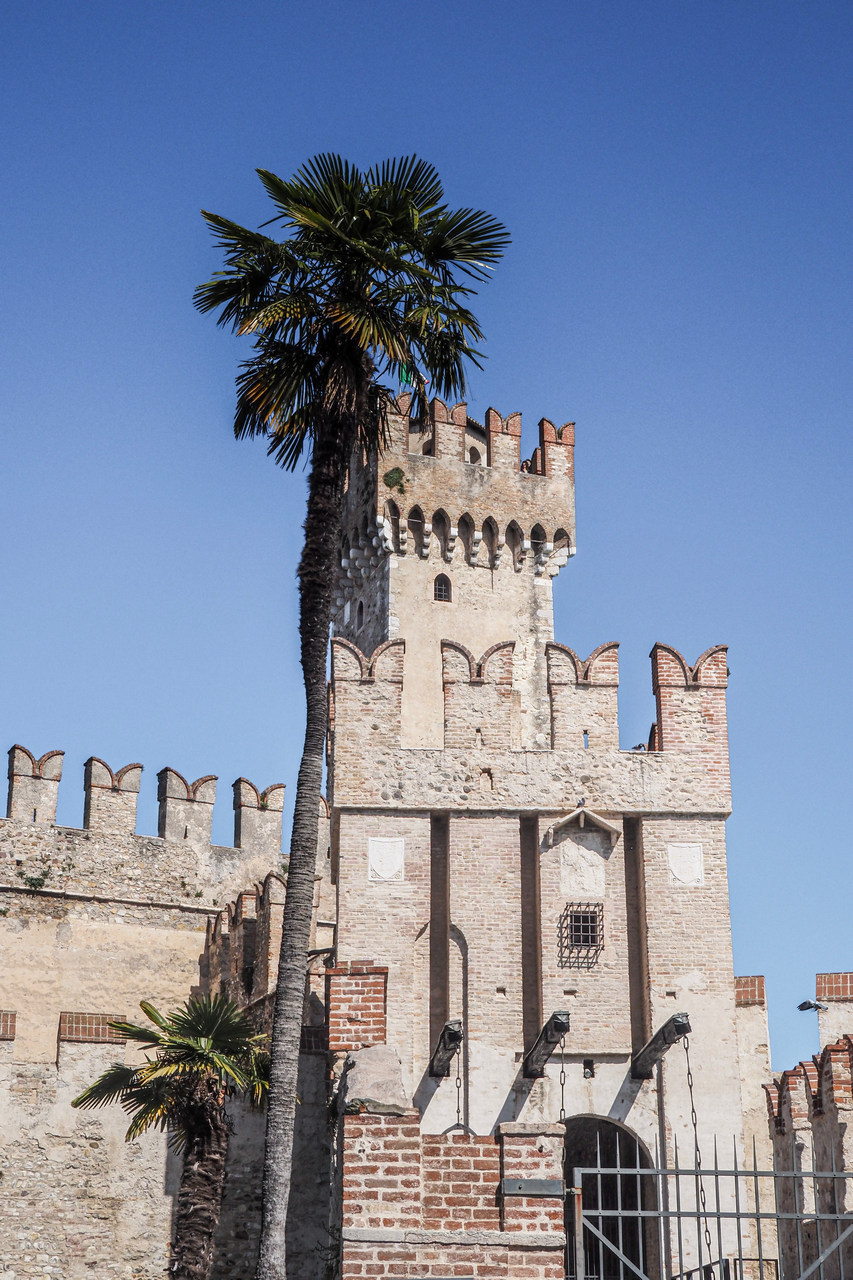
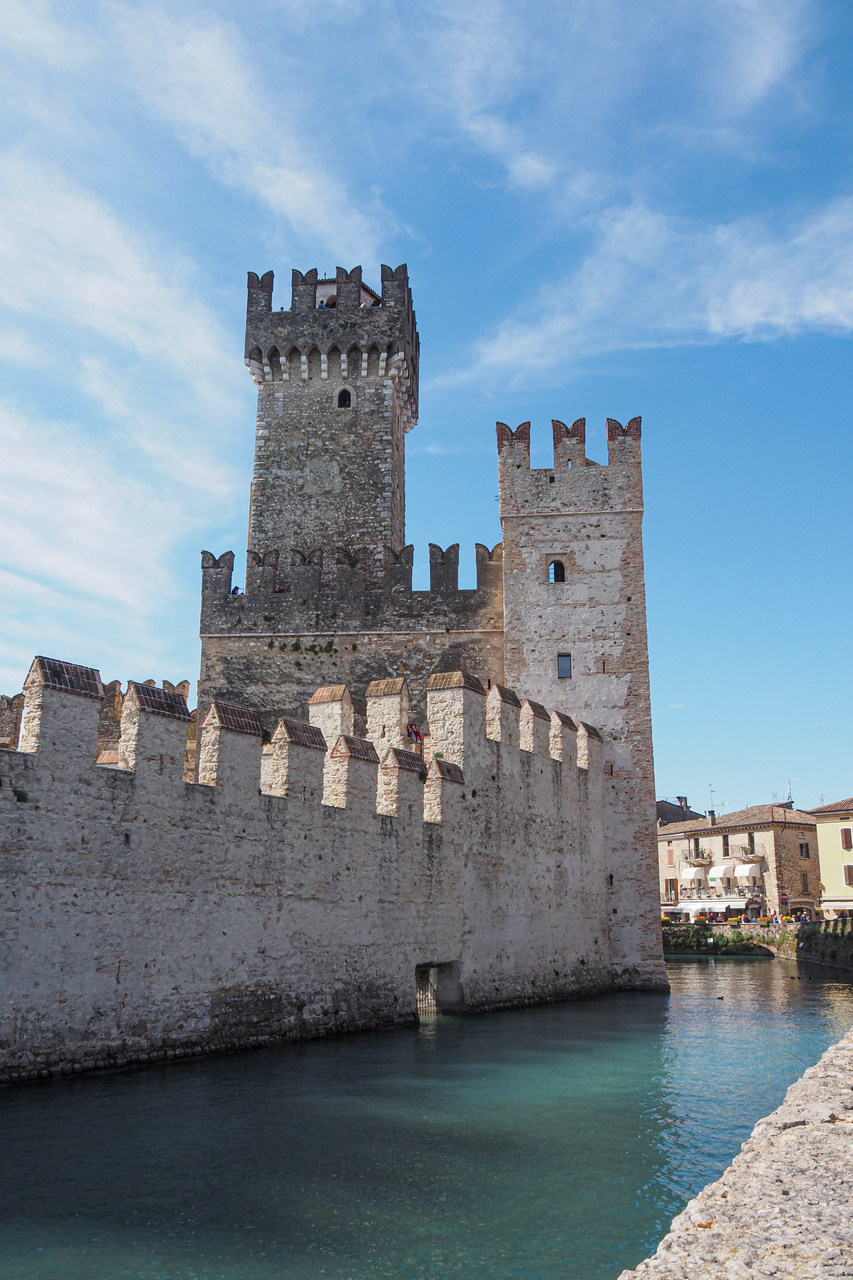
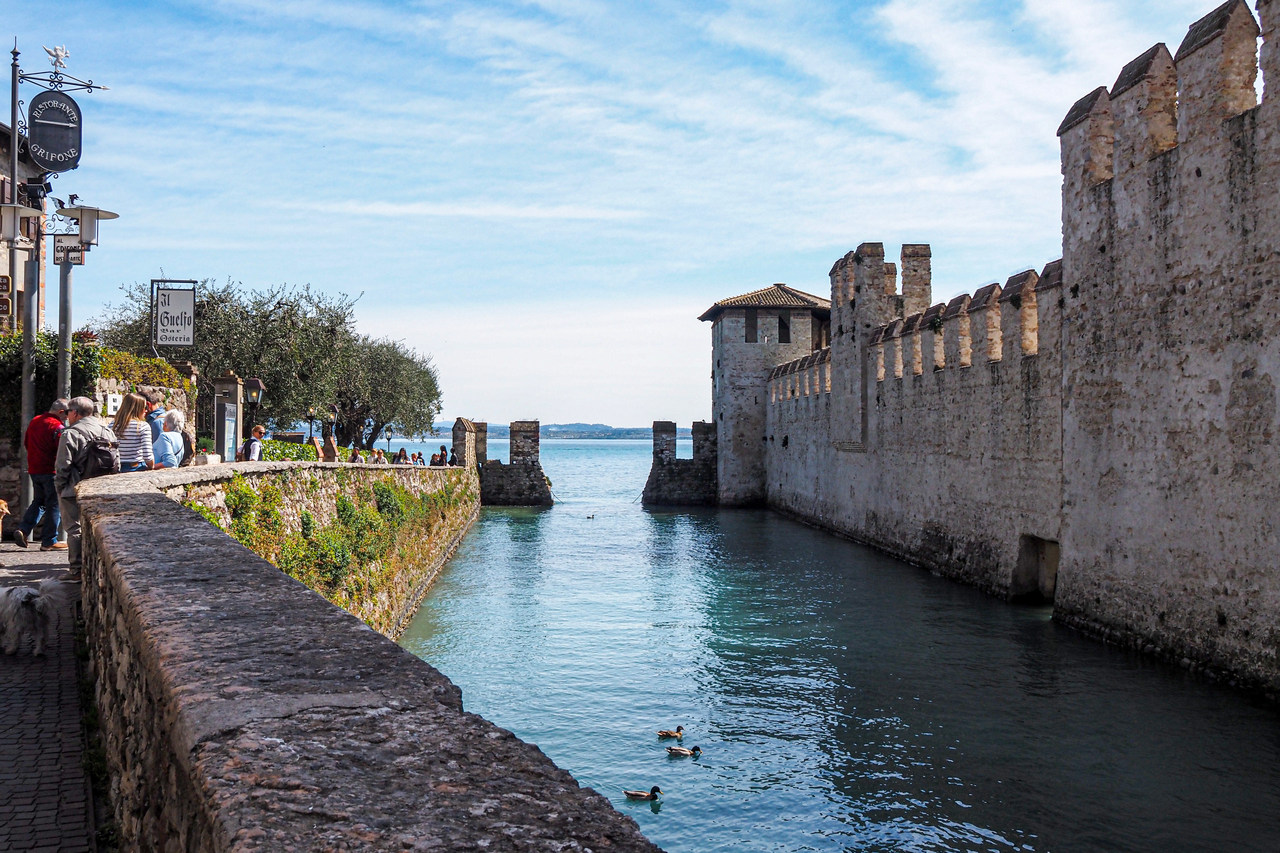
Later, at the start of the 15th century, the fortress came under the rule of the Republic of Venice but lost its importance in the 16th century when the fortress at nearby Peschiera del Garda became the areas main stronghold.
According to legend, the castle also has a resident ghost. Ebengardo, a nobleman who once lived at the castle with his wife Arice, on a stormy night granted asylum to the knight Elaberto del Feltrino. The knight, captivated by the beauty of Arice, went to find her at night. When met by her resistance, the two entered into a fight that ended with Elaberto killing her. Ebengardo arrived at the scene at that moment and although avenging the death of his wife, he never got over her death and is said to still wander the rooms of the castle in search of her.
The Scaligero castle can be visited for a fee during holidays and throughout the summer.
Grotte di Catullo (Grottoes of Catullus)
At the northern tip of the peninsular, offering spectacular views over the serene lake, are the well-preserved ruins of a massive Roman villa built during the 1st century BC and the 2nd century AD, considered one of the most fascinating archaeological sites in Italy.
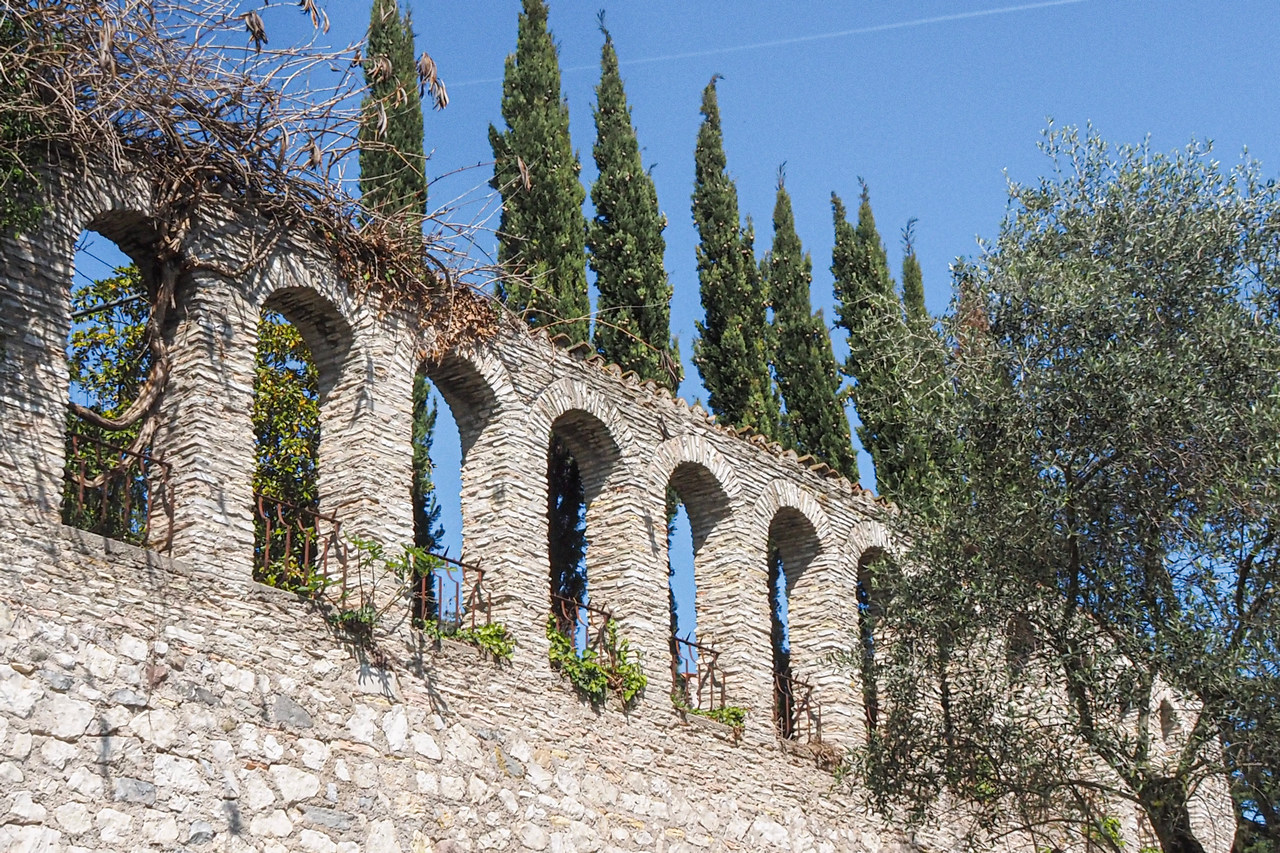
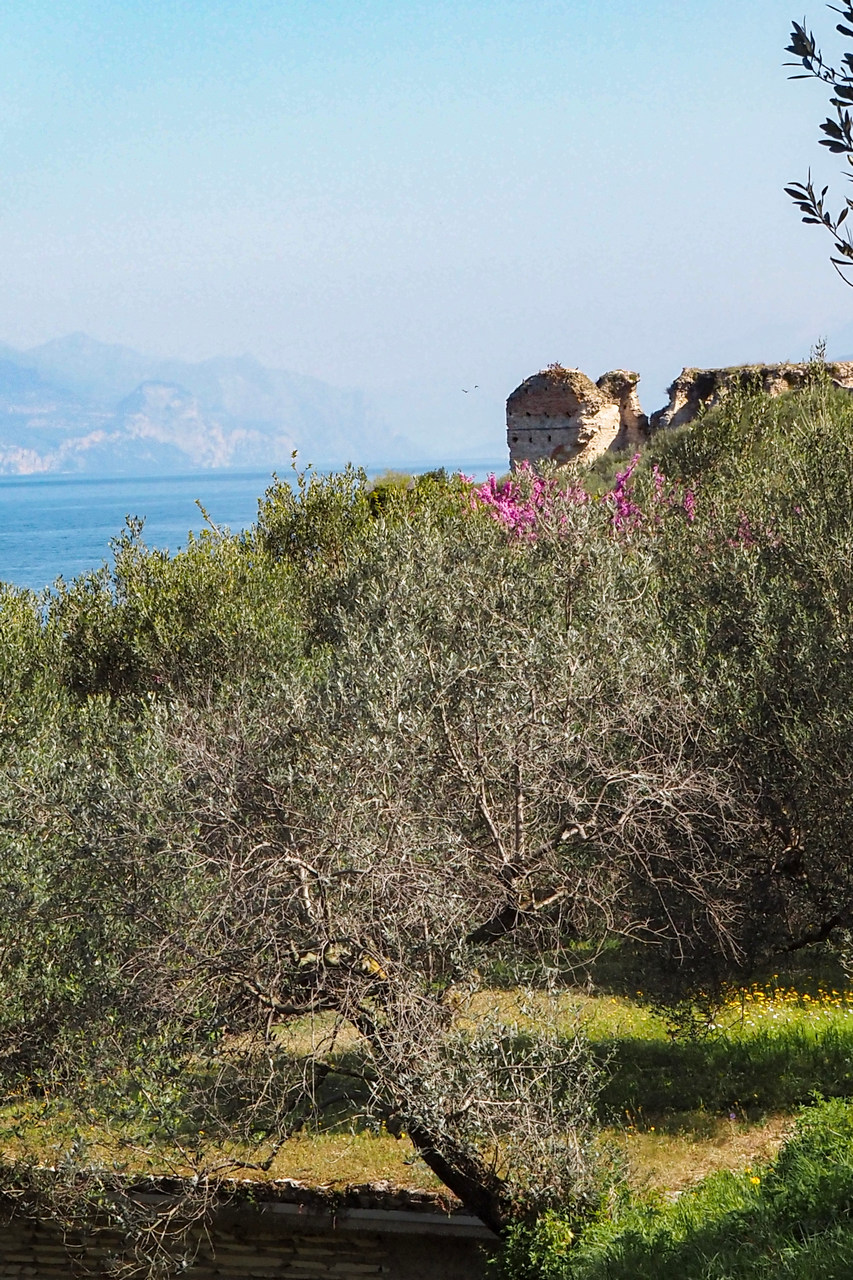
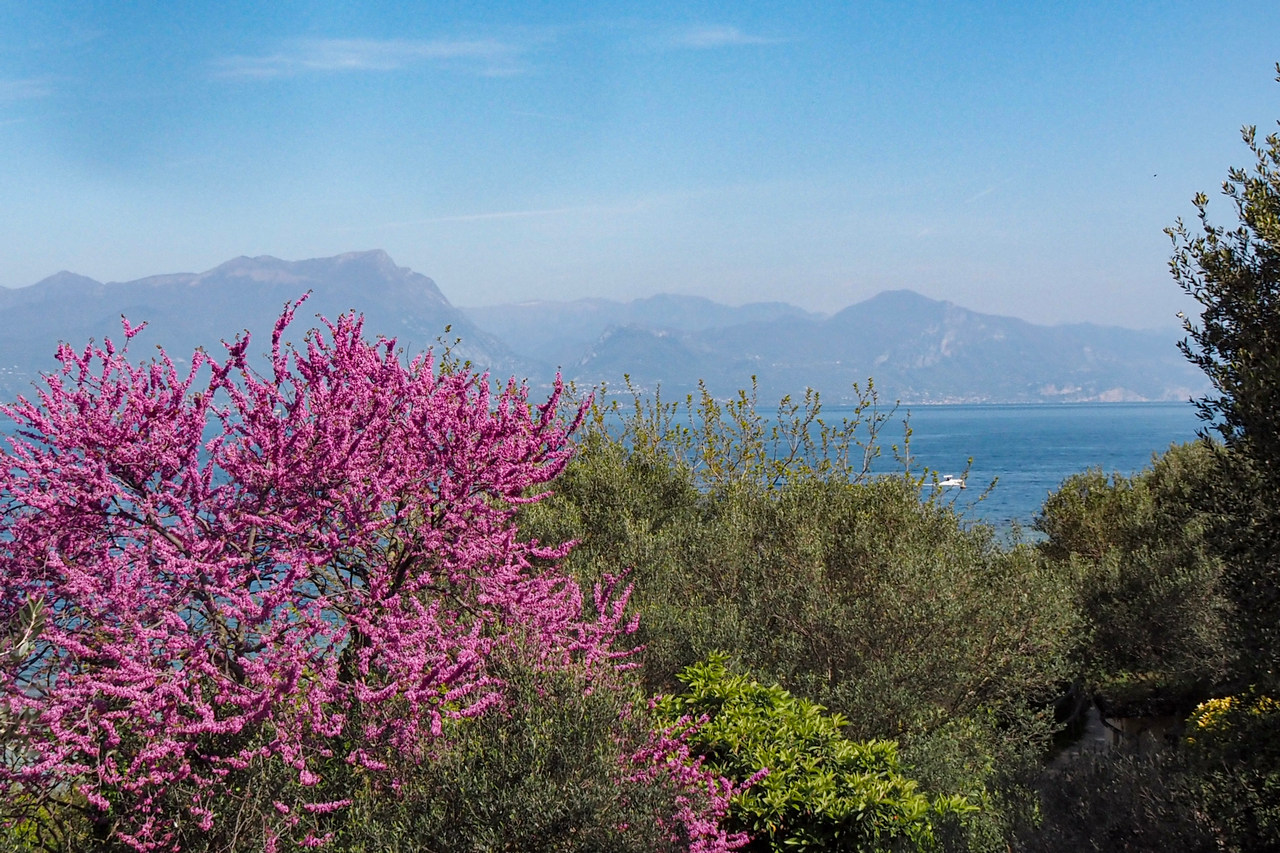
The ruins are located on a 2-hectar site that also features a museum (opened in 1999) and extensive olive groves. While bearing the name of poet Gaius Valerius Catullus, who in his work wrote about a villa in Sirmione, the structure was only built after his death. Additionally, while its name suggests otherwise, the site does not feature any caves. In fact, name results from a mistake as visitors who came across the ruins overgrown with vegetation thought they had discovered the remains of natural caves.
While only ruins, the structure still offers a fascinating view of affluent Roman lifestyle. It features a large atrium, panoramic terrace, a well-preserved thermal complex with various rooms used for hot, cold, and lukewarm baths, as well as a gymnasium and underground gallery (the cryptoporticus) that is thought to have served as a covered passage during the colder seasons.
The Grottoes of Catullus are open to visitors year-round, although typically closed on Mondays.
Spend time at the beach
Just steps away from the archaeological site is the peninsula’s most popular beach, the famous Jamaica Beach. The site is known for its flat, white, rocky slabs that act as a natural pier into the shallow, clear, almost turquoise water of the lake. This look resembling a beach in the Caribbean along with the natural thermal waters mingling with the cooler waters of the lake gave the spot its name.
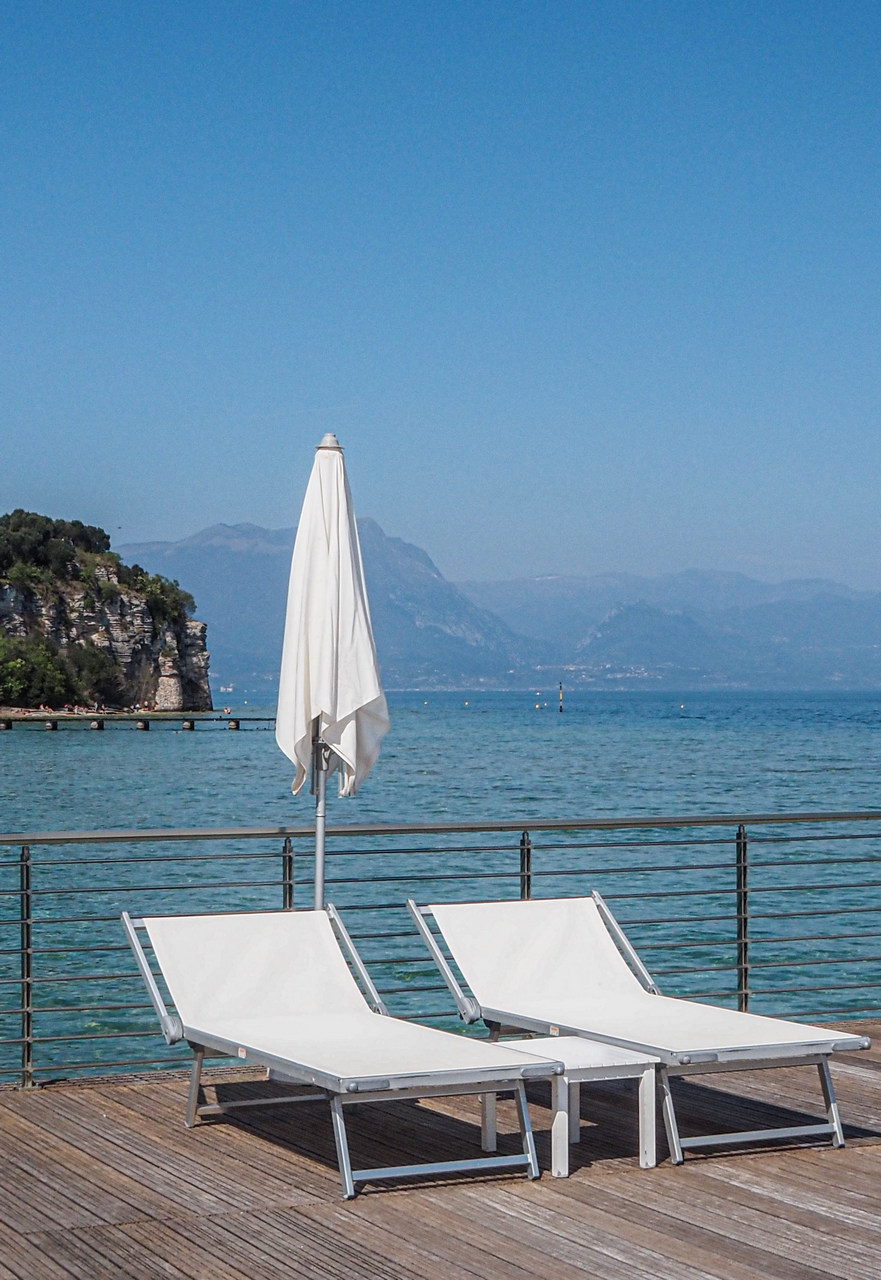
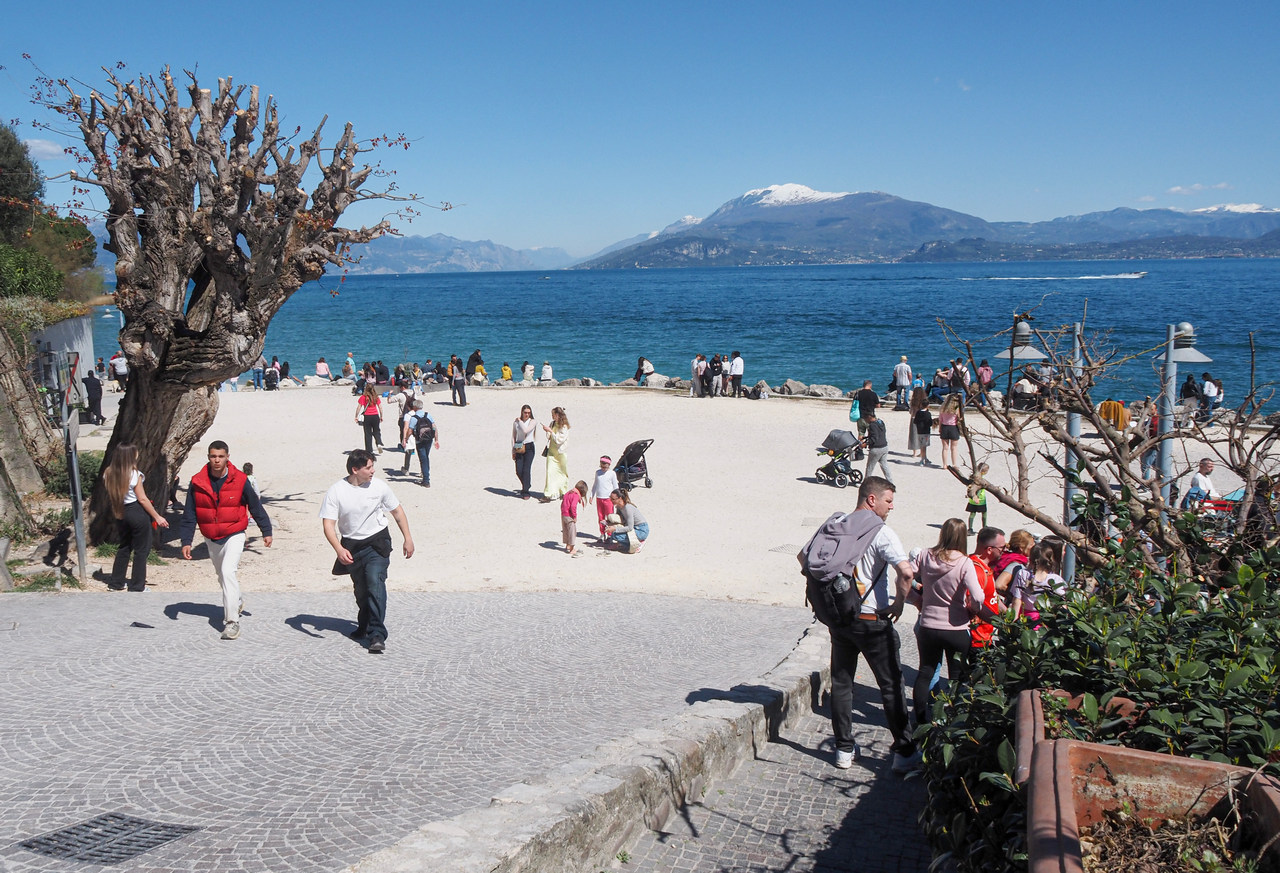
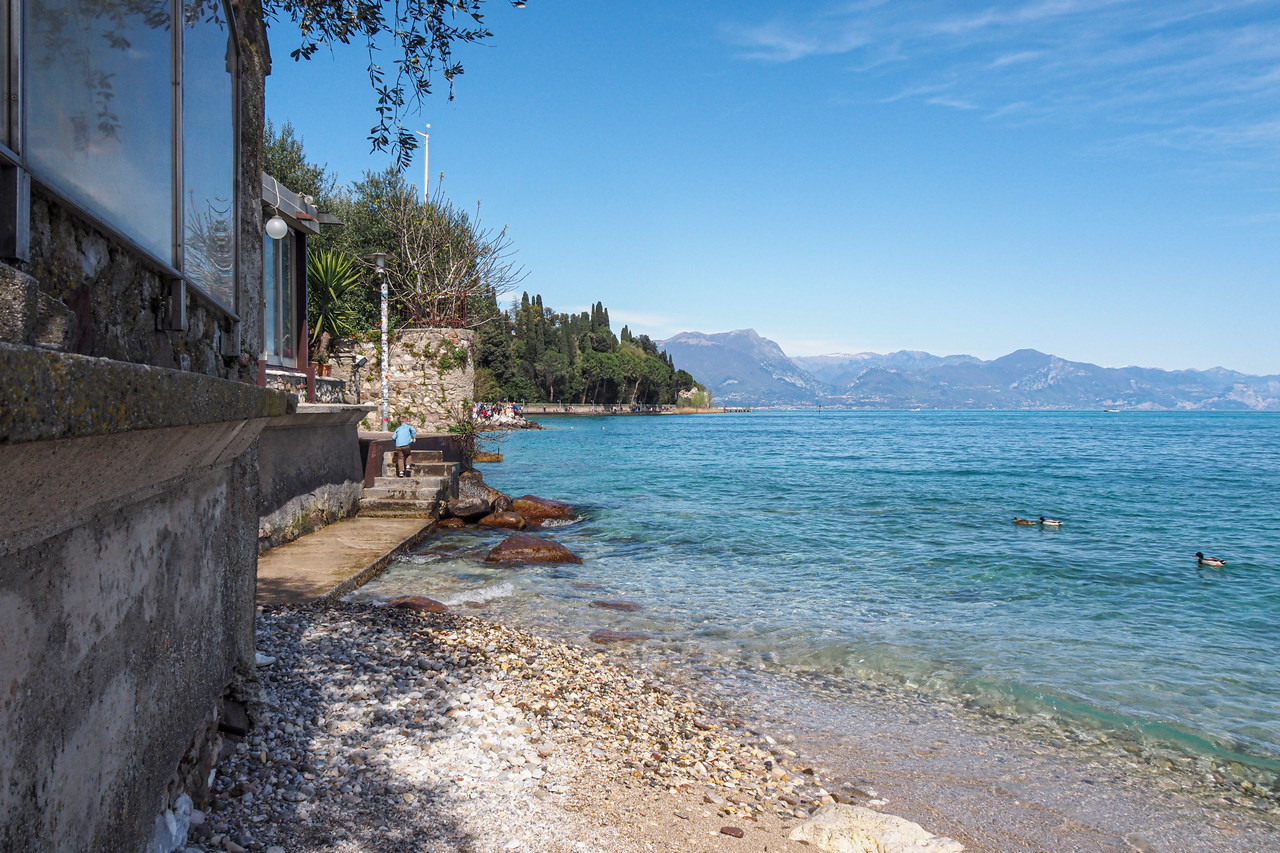
Part of the Jamaica Beach is free while there are a bar and restaurant nearby and it’s possible to rent sunbeds for the day. While highly popular at any time during the warmer months, the spot is particularly busy during sunset (but the view is well worth it).
Aside from Jamaica Beach, there are other spots around the peninsula to spend time lakeside.
Thermal Baths
Speaking of thermal waters, Sirmione is well known for the sulfur-bromine-iodine water rising at 69°C from the Bojola spring.
The popular local spa and thermal gardens, Terme di Catullo, located directly in the town centre, just after the end of the shopping streets, offers indoor and outdoor thermal pools, saunas, whirlpools, and vascular paths, along with breathtaking views over the lake.
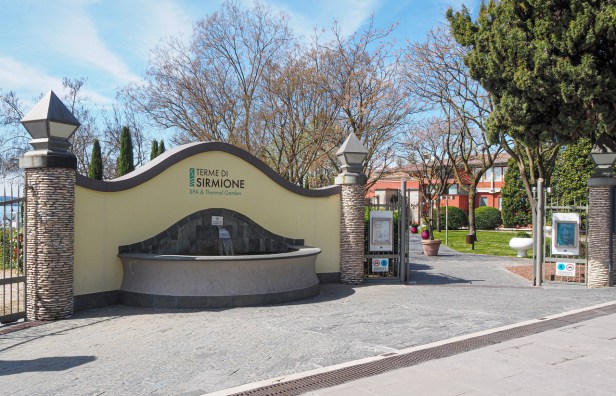
Maintaining a natural temperature of 34°C to 36°C year-round, the spot is perfect for a visit at any time (and remains also open during the winter)
Note, if you want to enjoy a treatment or just want to relax in the thermal water, make sure to book in advance as the place is hugely popular with both locals and tourists.
Enjoy the historic town centre
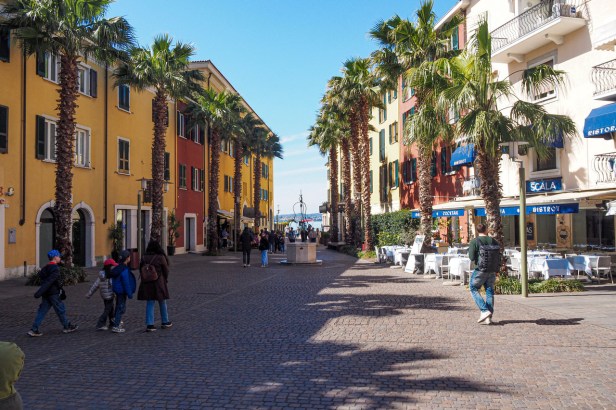
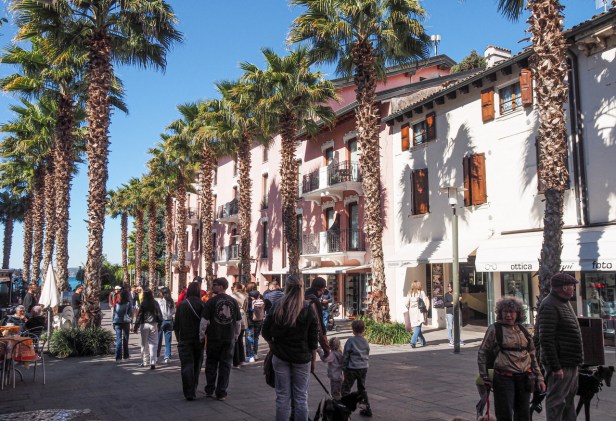
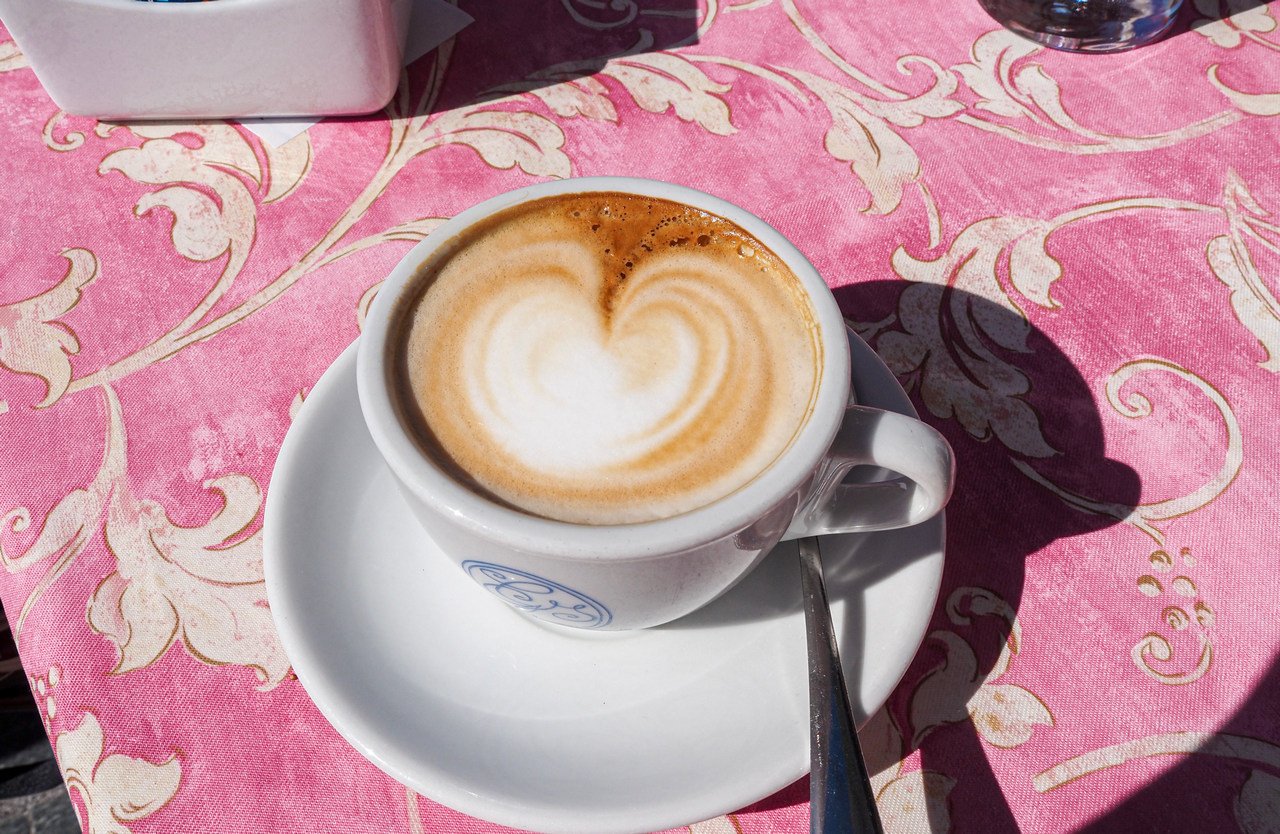
The mostly pedestrianised town centre (there is car traffic allowed into the walls from visitors staying in a hotel inside the historic walls) is breathtakingly beautiful, featuring small cobblestoned alleys, colourful historic buildings and larger squares lined by cafés and restaurants inviting to sit down and have a coffee, gelato, snack or lunch.
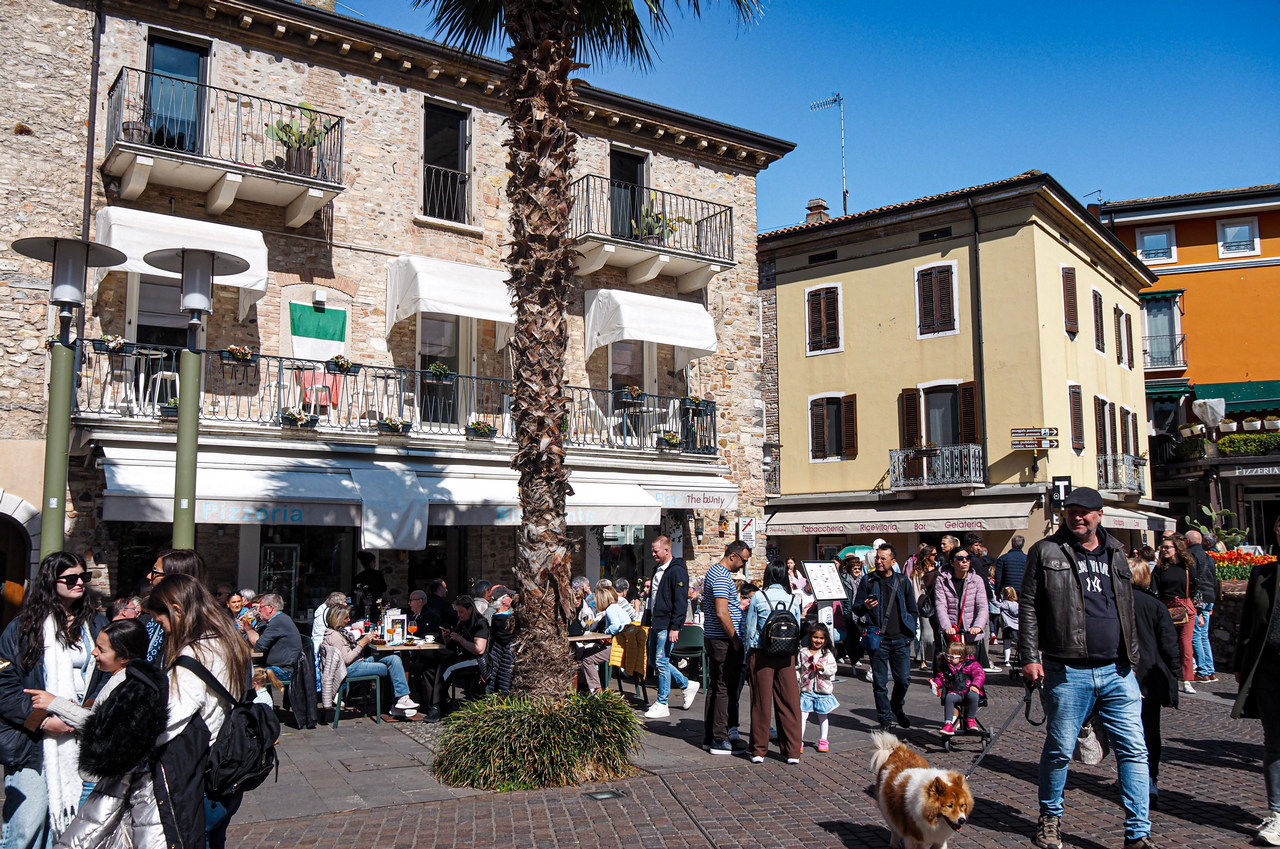
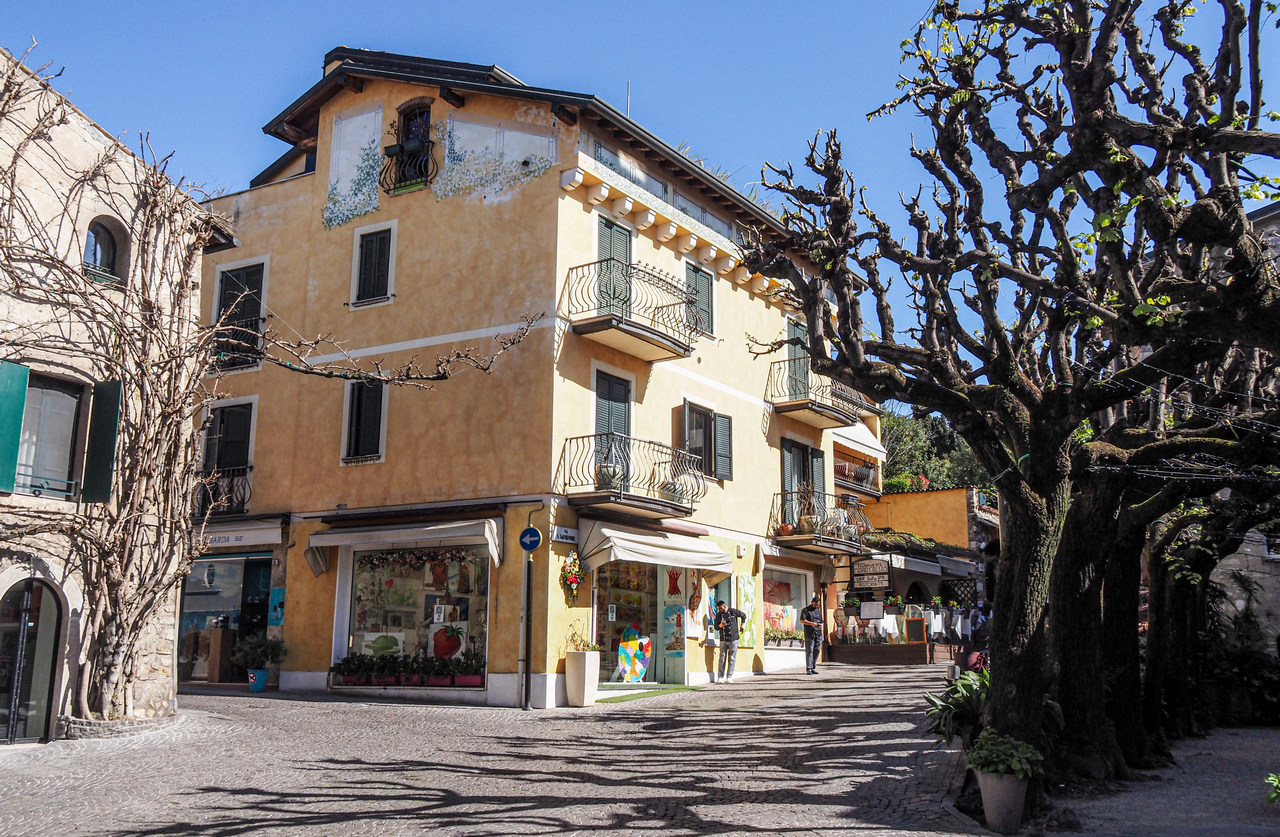
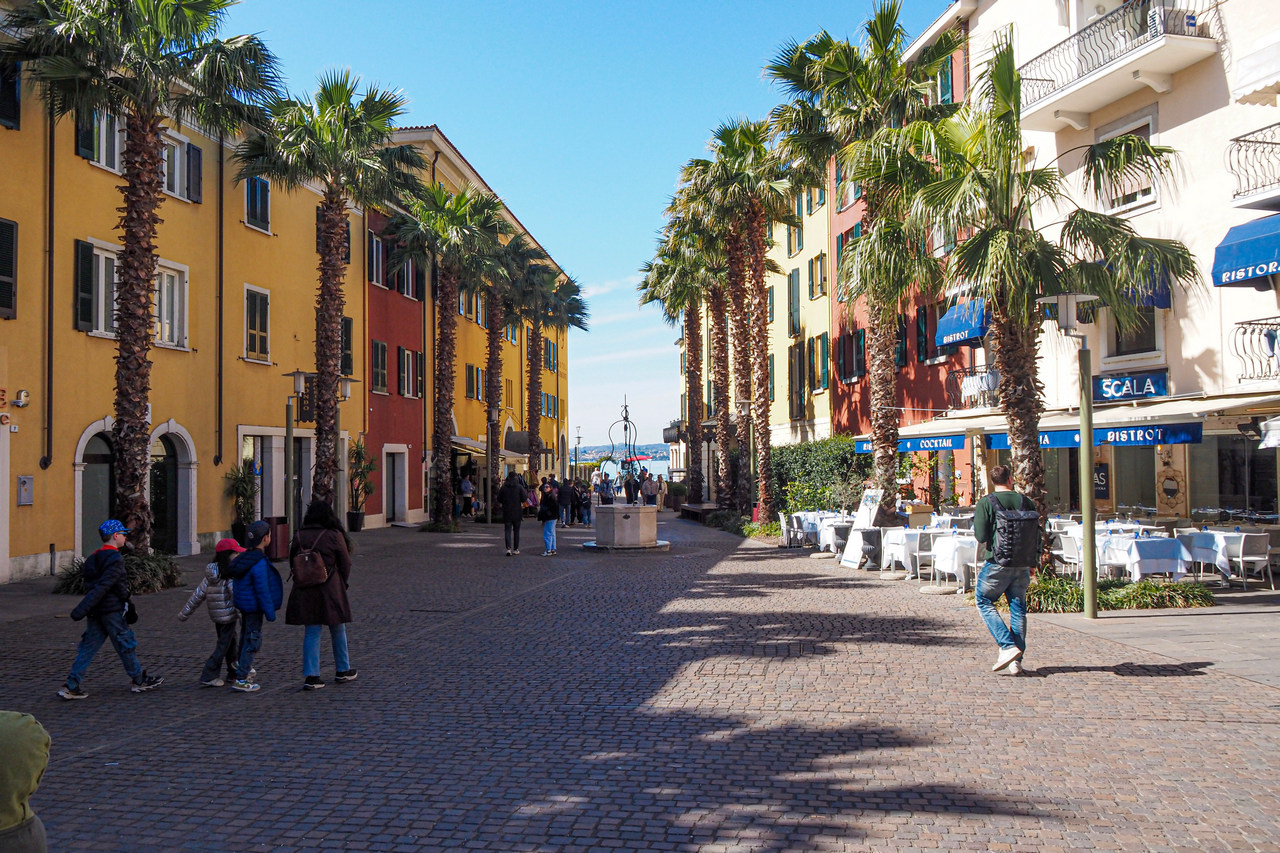
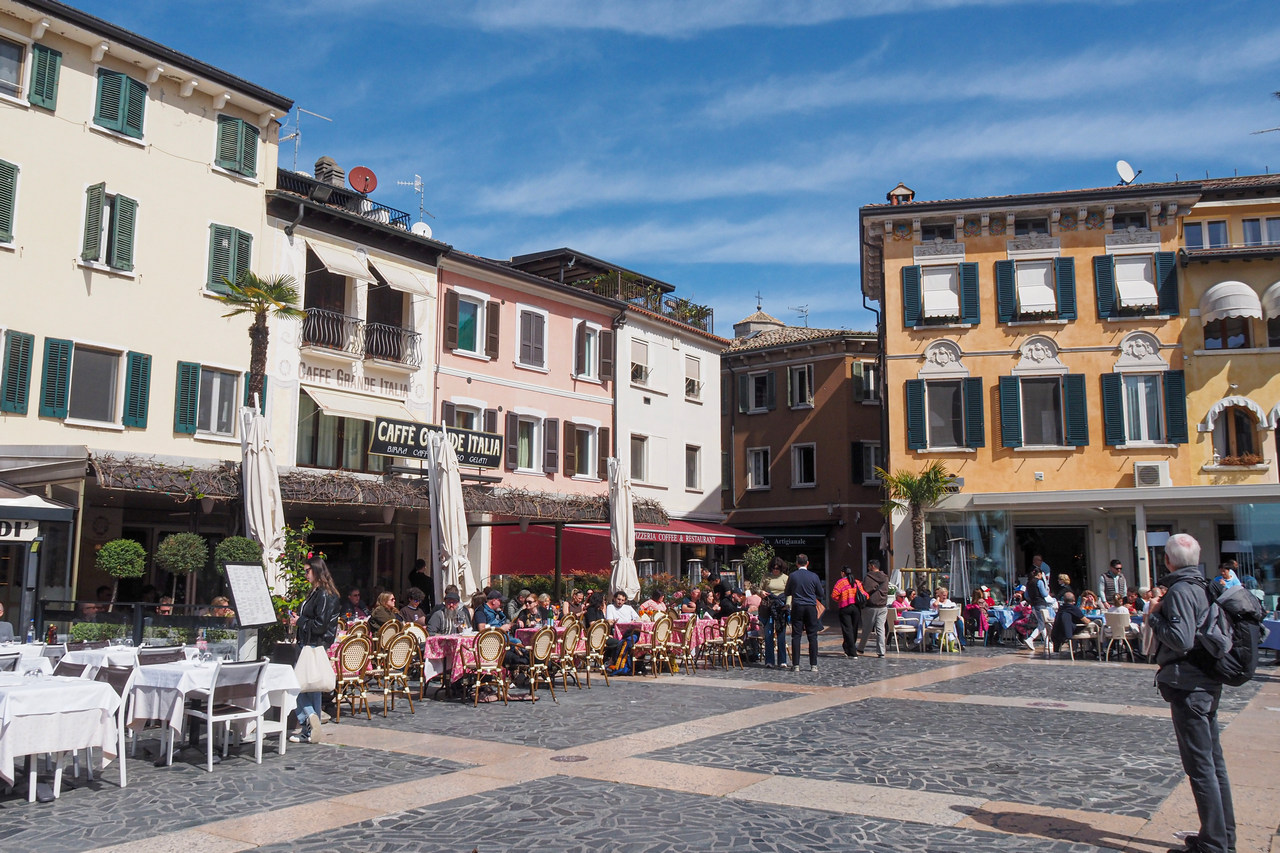
The village is indeed considered to be one of the most characteristic villages of Lake Garda.
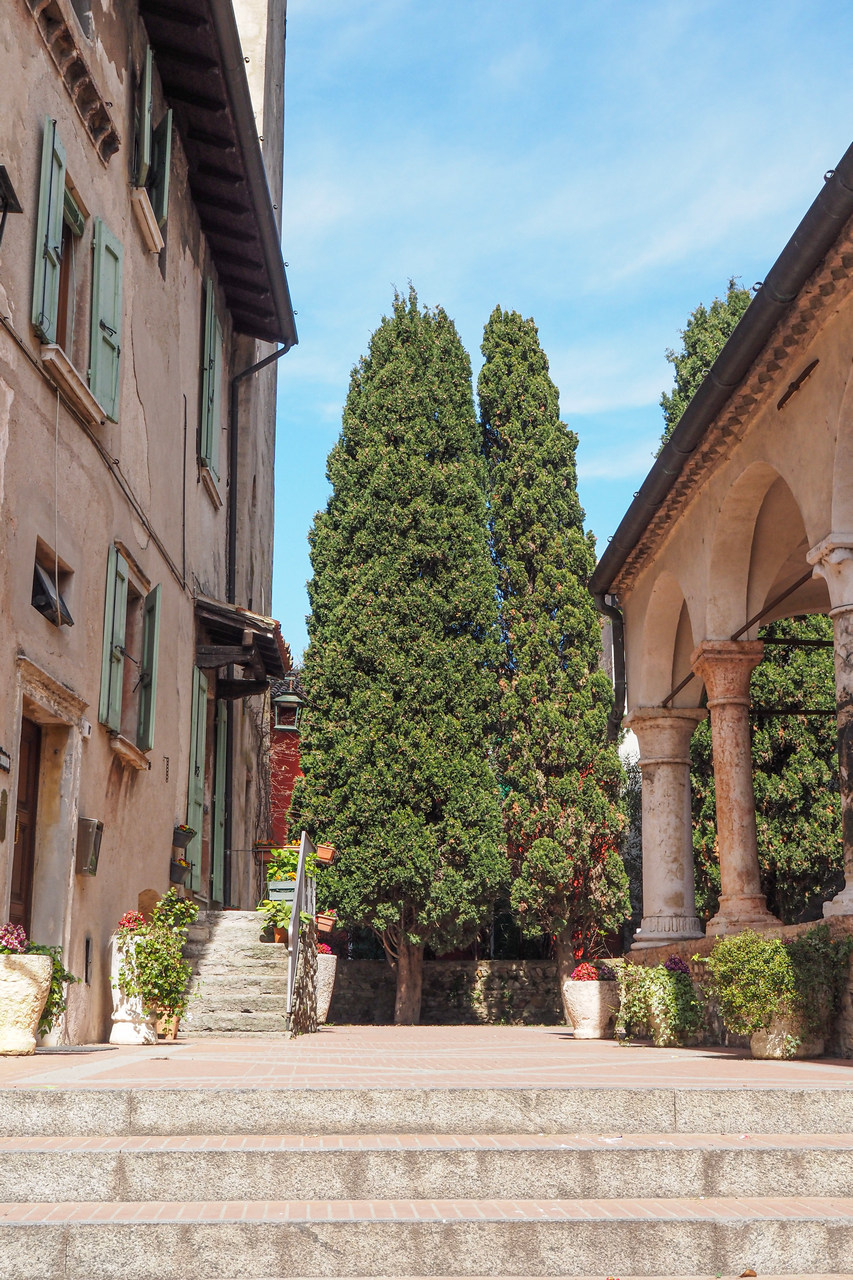
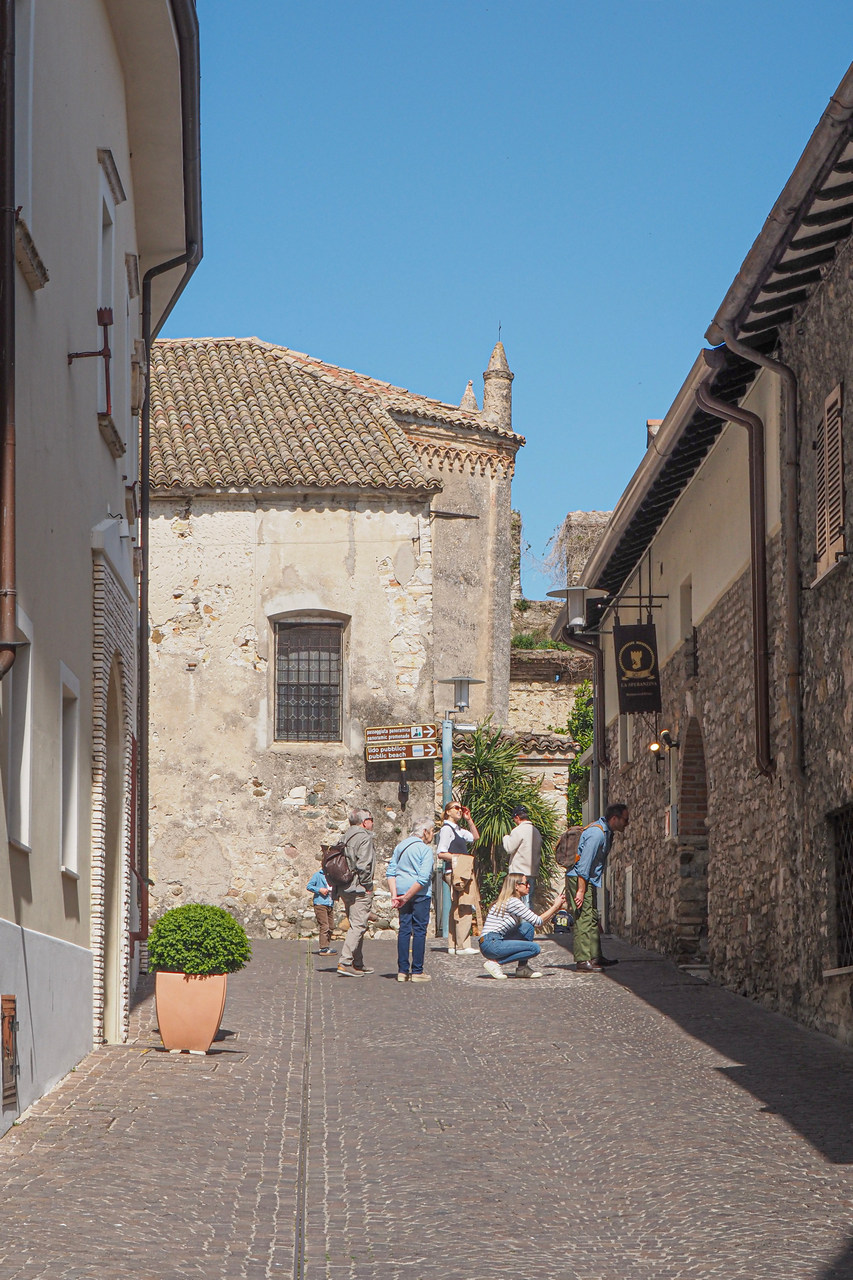
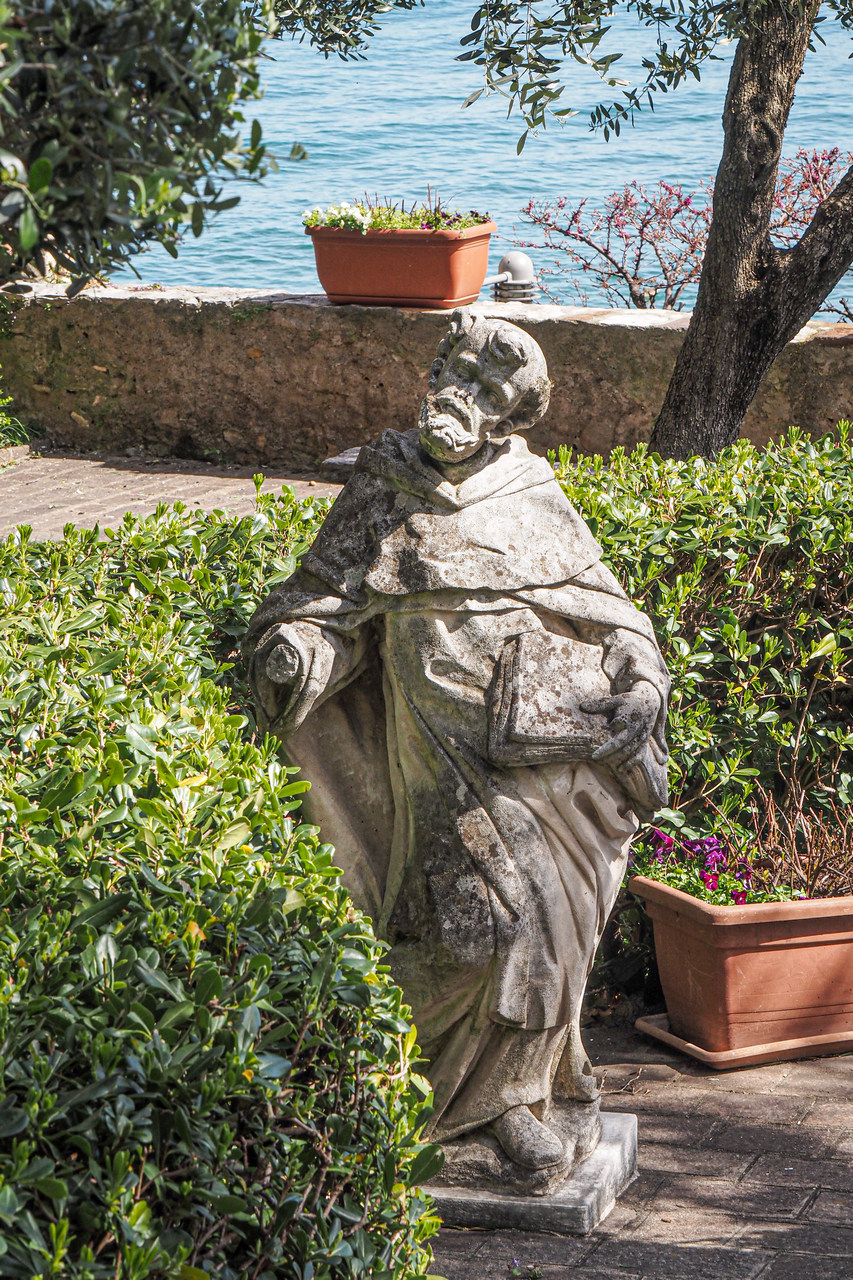
Here, you also find the historic churches of San Pietro in Mavino and St. Maria Maggiore, along with few hidden courtyards overlooking the beautiful lake.
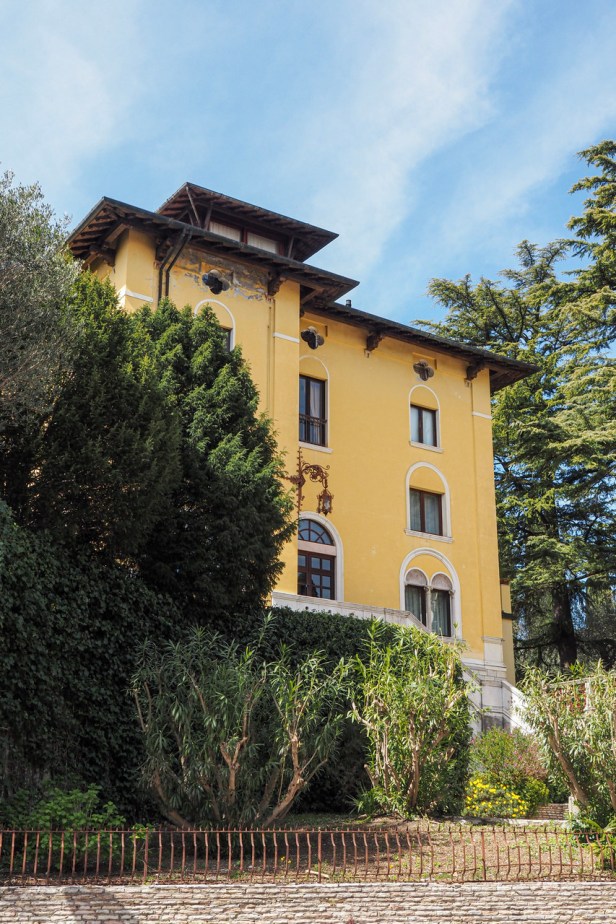
Just opposite the imposing iron gates of Villa Cortine Palace Hotel sits the former home of famous singer Maria Callas.
Walk the scenic boardwalk around the peninsular
The round about 6-kilometre-long loop around the small peninsular located behind the walls of the castle offers scenic views over the lake and the surrounding mountain ranges.
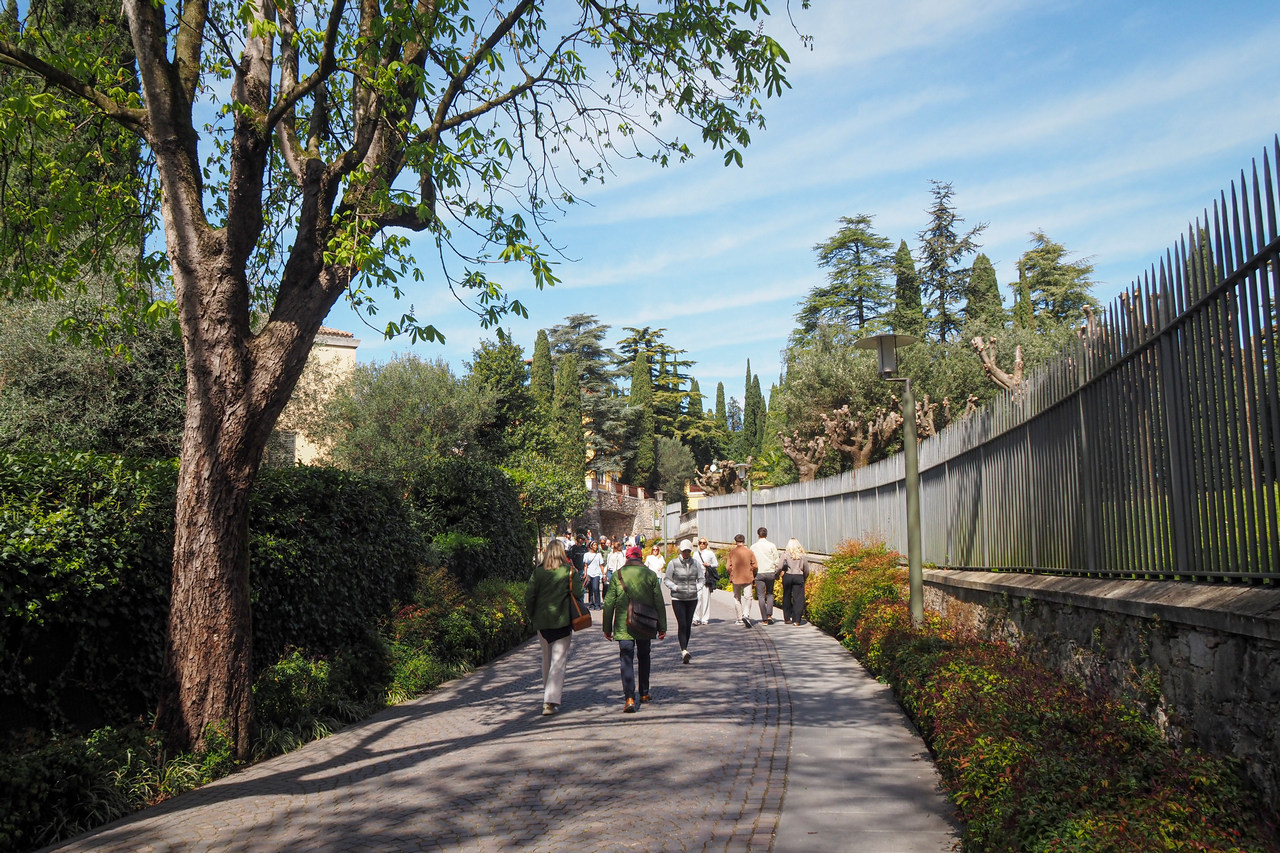
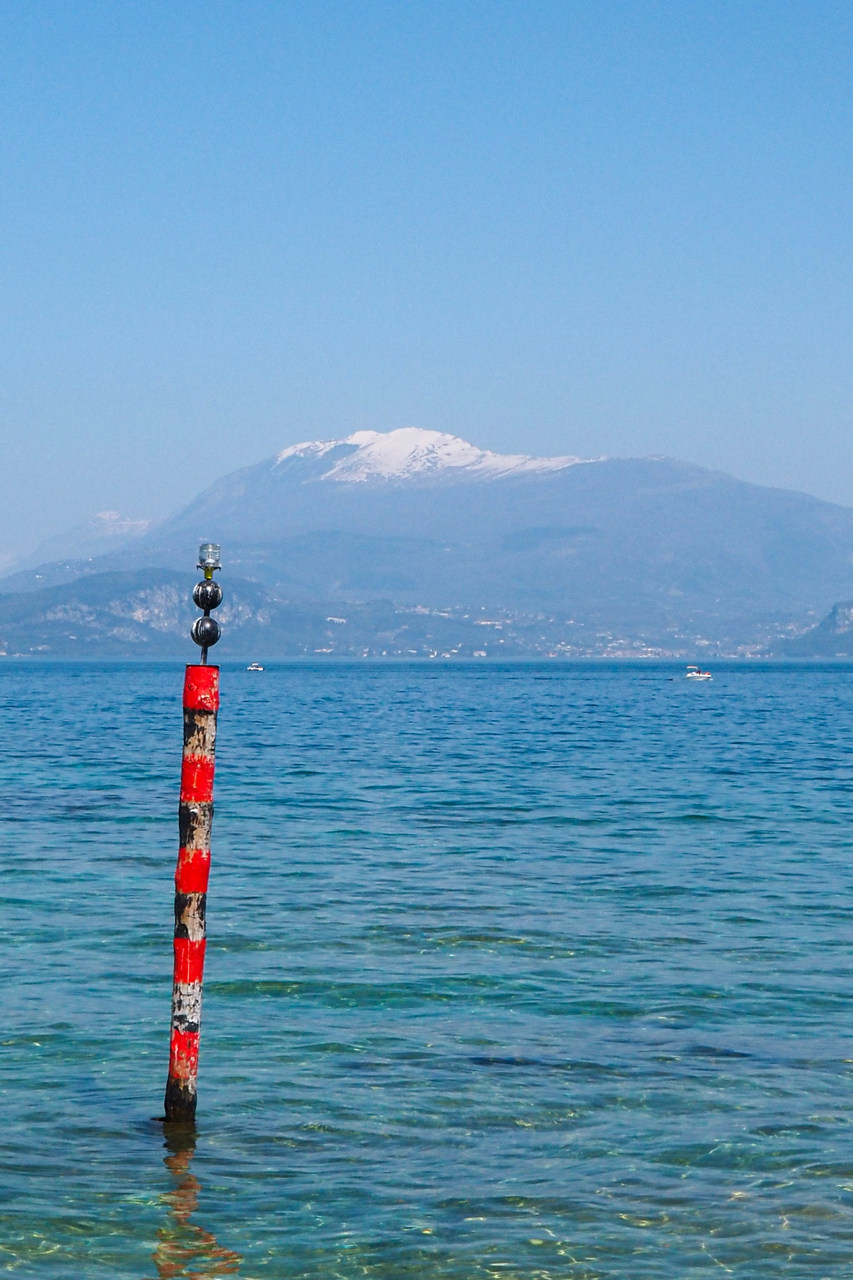
The path connects the town centre with Lido delle Bionde, passing through olive groves, the Gotto di Catullo, and the rocky beaches at the tip of the peninsular.
Take a boat tour around the peninsular
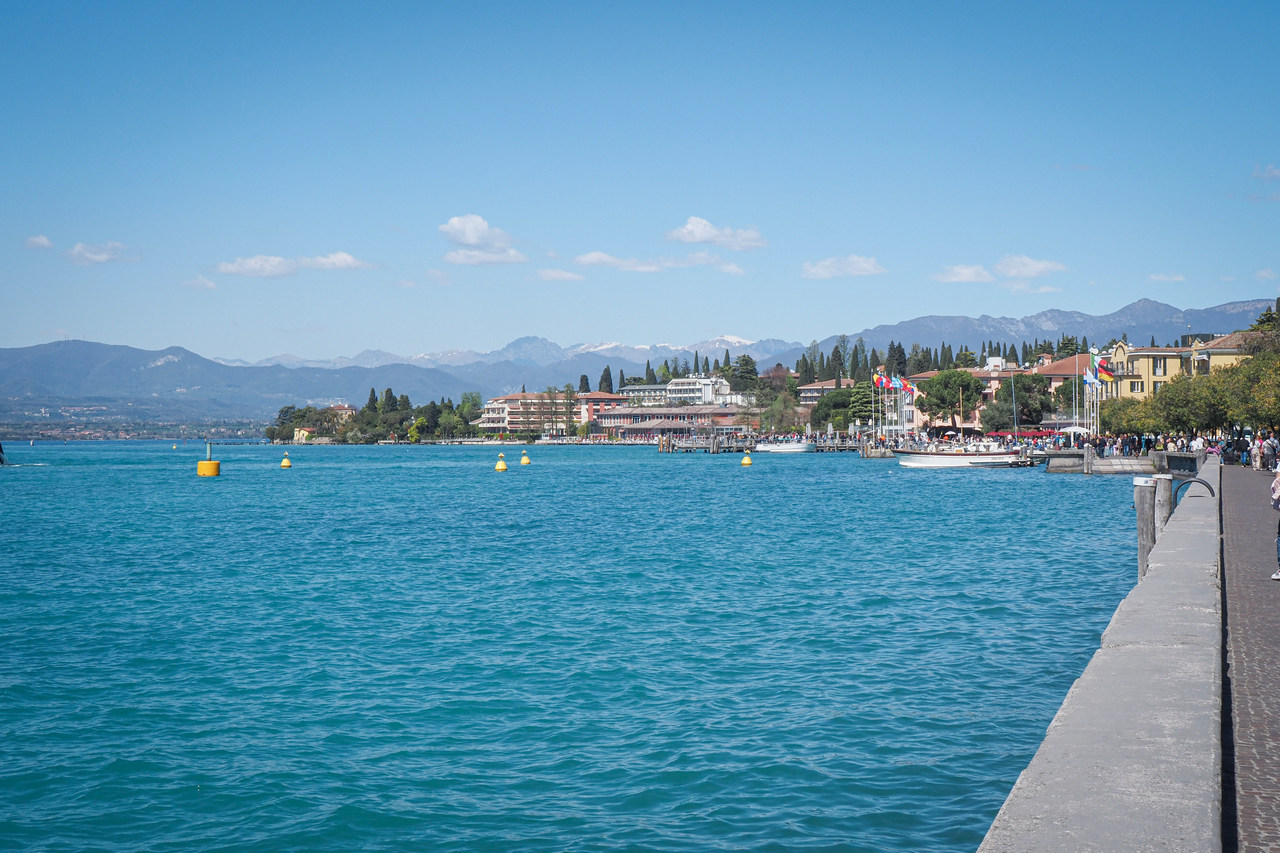
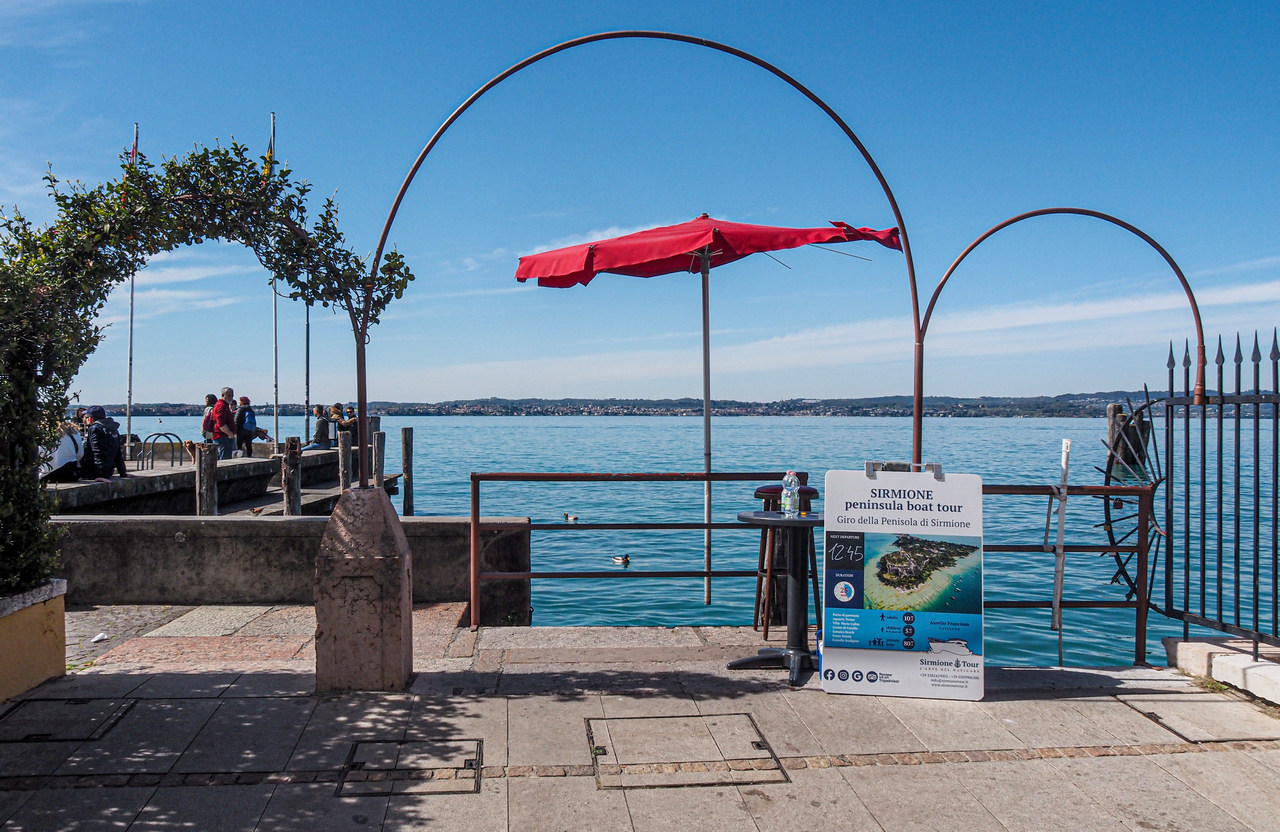
Starting at the harbour just in front of the Scaligero Castle are various boat tours available circling the peninsula and offering stunning views of the castle and the rocky beaches and lush green interior from the water.
Enjoy a coffee, cocktail, lunch or dinner
When it comes to food, there is a wide variety of restaurants. Skip the sandwich parlours and instead head to the trattorias and restaurants near the castle for a leisurely outdoor lunch overlooking the lake.
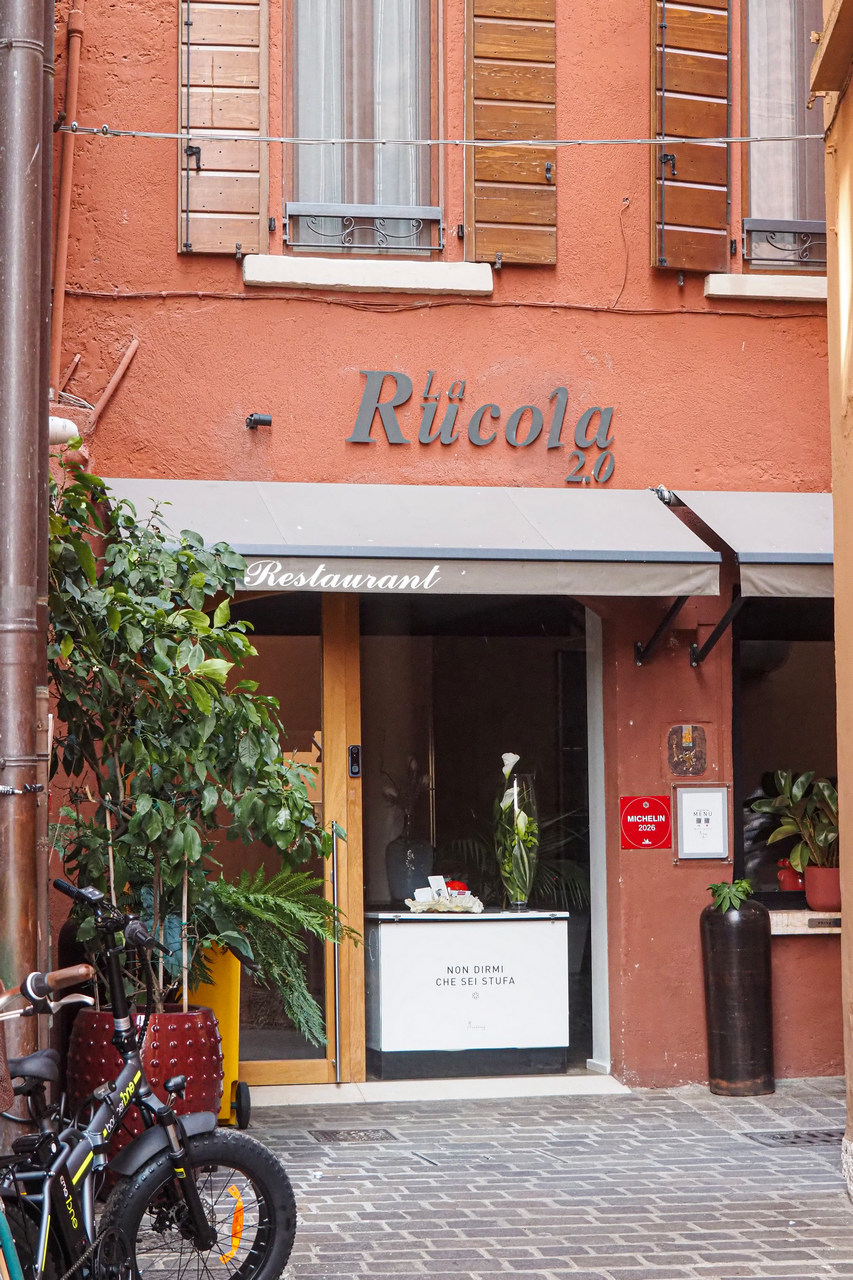
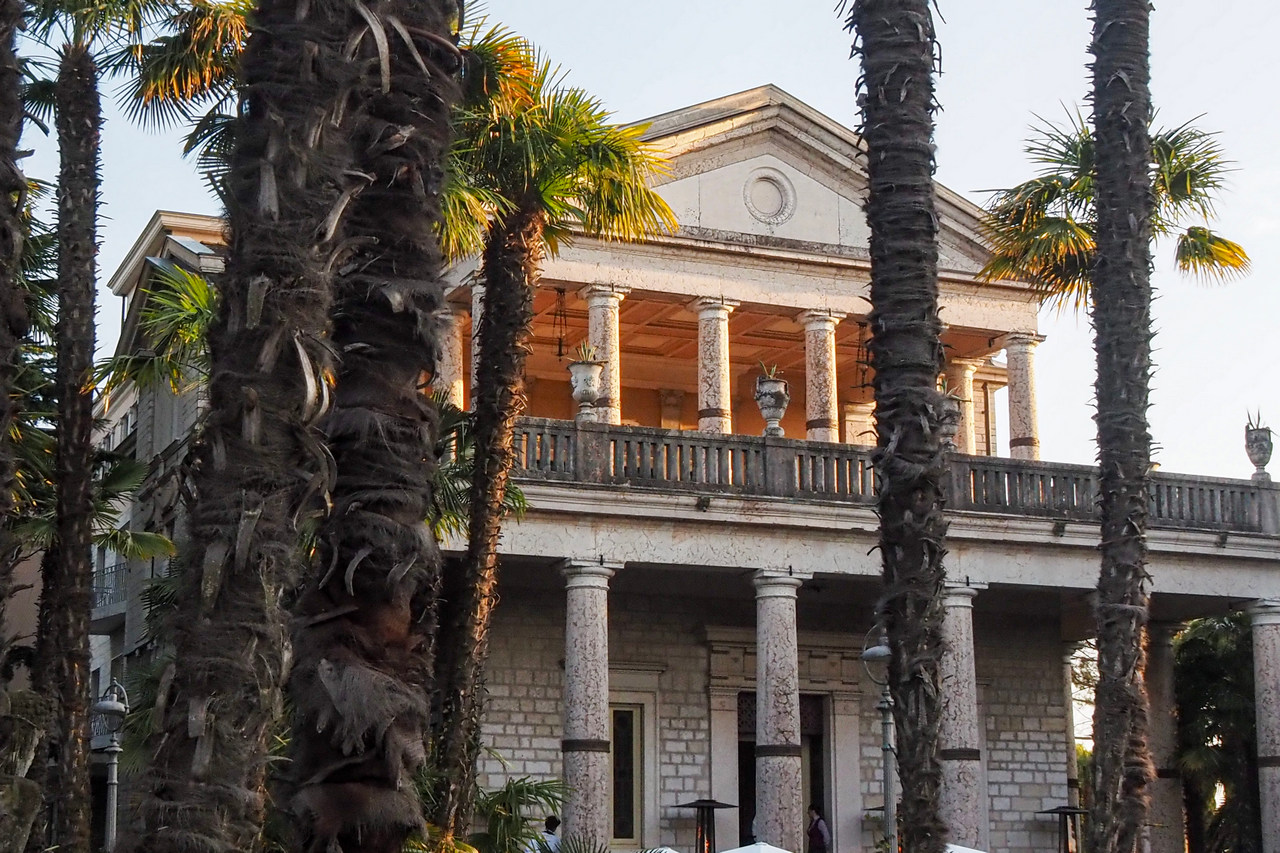
Instead, for dinner I recommend seeking out one of the local Michelin-starred restaurants, including La Rucola just opposite the castle, or perhaps Le Gardenie at the stunning Villa Cortine Palace Hotel.
I hope you enjoyed this post, and I’d love to hear from you. A quick like, share, or comment truly helps and would be much appreciated.

