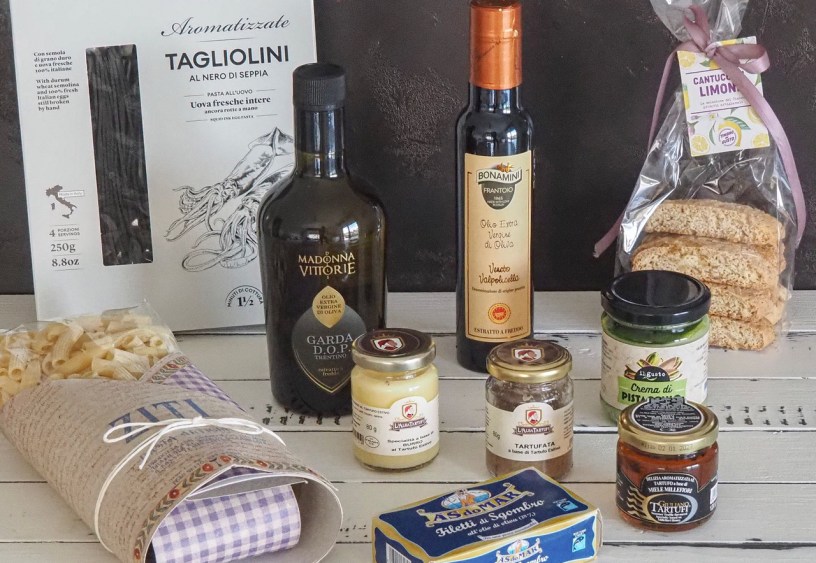
12 ultimate Italian food souvenirs to bring back home
Whenever I return to Italy, I stick to the exact same ritual. The very first thing I do is grab the latest food and travel magazines before I even leave the airport. Next, I find a local café for a cappuccino if it is morning, or an aperitivo if I arrive in the afternoon.
But no trip is complete hitting local grocery stores and supermarkets to stock up on food to bring back home. While most will focus on bringing back more traditional souvenirs like ceramics, artisanal crafts, or clothing, for me stocking up on unique local food items is the ultimate way to relive authentic local flavours and elevate my dishes back home.
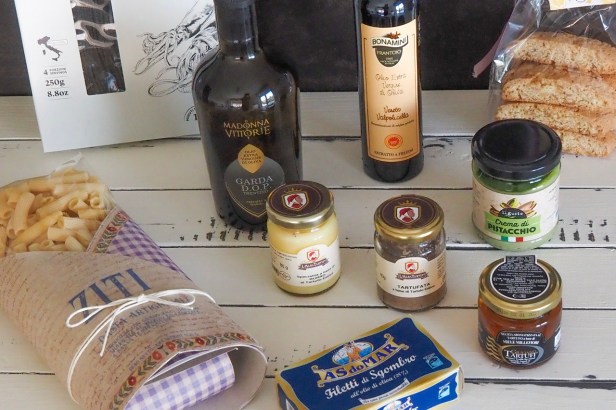
So, what foods do I usually bring back home from my trips to Italy?
The best food items to stock up on when in Italy, are those that will preserve well. Typically, that involves high-quality, vacuum-sealed foods like aged Parmigiano Reggiano, ham or jarred or canned items, chocolate, coffee and biscotti.
And yes, some if not all these items are usually sold in specialized grocery stores, and sometimes even supermarkets outside of Italy too. So, why should you bother to bring them home from your next trip when you could easily find them in a shop near you anyway?
For two reasons.
Firstly, it just feels different to crack open a pack of Parmigiano Reggiano or a glass of pesto I have bought somewhere in Italy. Because there will always be the image of the grocery store or the village where I have found it in my mind.
Secondly, and even more excitedly, there are so many more variations and different brands on offer when you by something in the place of origin.
The best food souvenirs to look out for on your next trip to Italy
Below, I have collected a list of traditional Italian food items perfect to bring back home from your next trip. While many might be available internationally, you will typically find many high-quality, small-batch brands that will typically only sell in Italy (or a select number of speciality shops abroad).
Important to note: If you intend to buy food to bring back home from your travels, make sure to check customs rules as certain foods, particularly meat products, are often prohibited.
So, in no particular order, here are twelve amazing food souvenirs worth bringing back from your next trip to Italy.
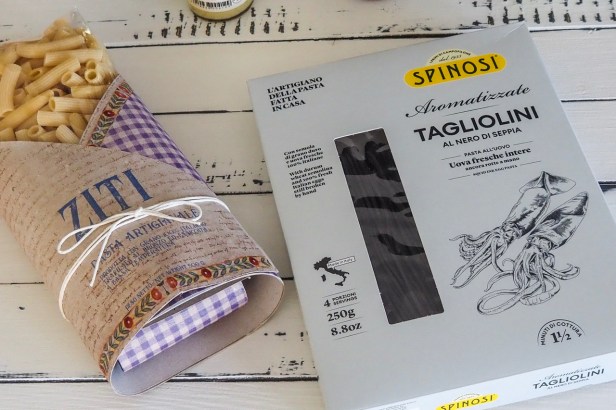
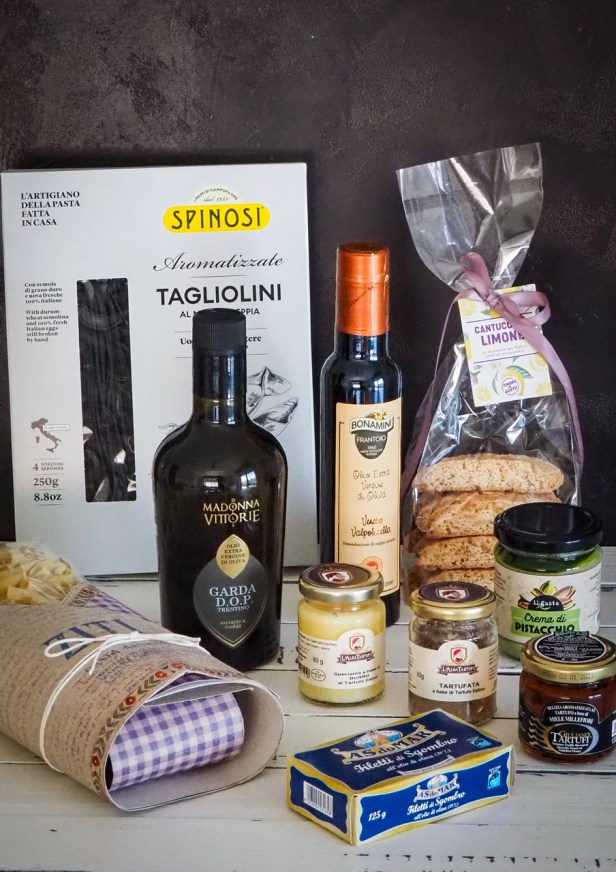
Dried pasta: Yep, dried pasta is sold anywhere in the world. But you are in Italy, and that means nearly unlimited variations including all the unique local types/shapes of pasta rarely found outside the specific region where they origin from. Examples include bigoli from Veneto, thick hand-rolled pici from Siena, the short, twisted trofie from Liguria, paccheri, the little tubes from Naples or Tuscany’s campanelle, shaped like little bells to name just a few. Plus, you will find a wide range of flavoured pasta like ‘al nero di sepia’, beetroot, spinach and many more.
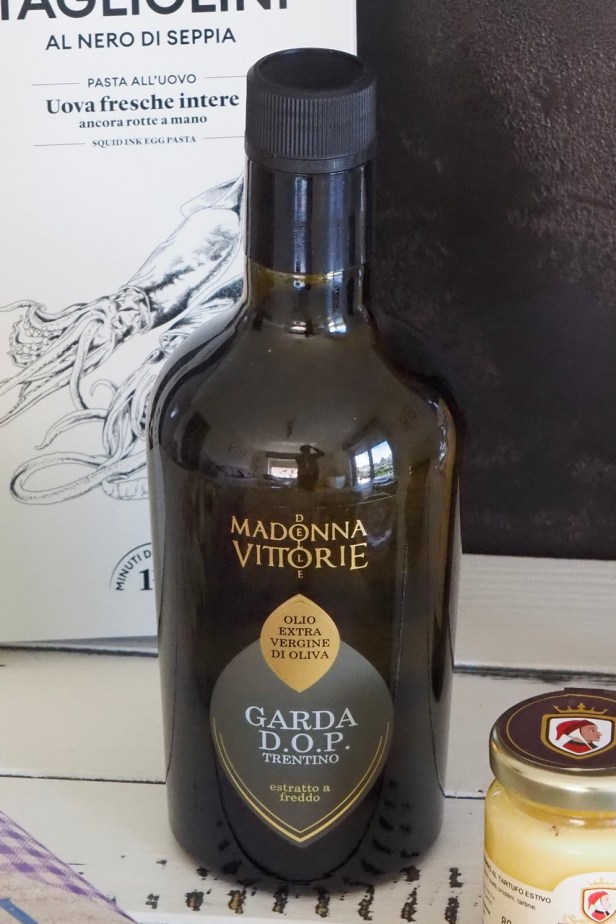
Extra virgin olive oil: Italy’s ‘green gold’ is not only a perfect food souvenir. Believe it or not, many of the small, artisanal producers offer olive oil tastings much like local wineries will of wine tastings.
Olive oil is produced in a wide range of regions across Italy, with each area offering distinct flavour profiles. Southern Italy, particularly Puglia and Calabria, accounts for most of the country’s production, typically yielding sturdy, robust oils. For premium quality, look out for small-batch producers particularly in Tuscany, Liguria and the Lake Garda region while regions like Sicily, Sardinia and Piemonte also make excellent oils.
Balsamic vinegar from Modena: Authentic balsamic vinegar from Modena is an incredible treasure that will add incredible depth to everything from grilled meats and vegetables to desserts like strawberries, vanilla ice cream and panna cotta. It is also easy to transport and will store for a long time.
For the highest quality, look out for the authentic Aceto Balsamico Tradizionale di Modena. This is a type of vinegar produced following local traditions dating back over 900 years, following the highest quality standards and a rigours production process. One of the biggest differences to regular vinegar consists in the fact that it is made from grapes not fully fermented into wine (while vinegar is otherwise made from a base of wine or apple cider). Balsamico di Modena will be furthermore aged for a minimum of 12 years, and it is a product made under PDO status (Protected Designation of Origin) made exclusively in the areas of Modena and Emilia Romagna, though it’s sold all over Italy.
Aged Parmigiano Reggiano: Exclusively produced in the provinces of Parma, Reggio Emilia, Modena, Bologna and Mantua in the region of Emilia Romagna, but sold all over Italy, this well-known hard cheese with a distinct nutty flavour and granular texture is the perfect food souvenir. Parmigiano Reggiano is made from partially skimmed cow’s milk and aged for a minimum of 12 months when it’s still mild and features a slightly creamy texture up to more than 36 months when it’s full-flavoured and crumply. From grating over pasta, incorporating into a creamy risotto or enjoyed topped with a dollop of honey, this Italian staple will go a long way once you are back home.
Pecorino cheese: While often interchanged with Parmigiano Reggiano outside of Italy, and indeed typically used in similar ways in pasta, Pecorino cheese is made from sheep’s milk and offers a bolder, sharper, and saltier flavour. The most recognized variety is Pecorino Romano, which is made in Lazio, Tuscany and Sardinia, a particular dry, sharp and salty version that makes it perfect for Roman pasta dishes like the famous spaghetti alla carbonara. Other varieties worth trying are Pecorino Sardo originating from Sardinia which is softer and mild when younger and firm and sharp when aged and Pecorino Siciliano from Sicily, often studded with whole black peppercorns making it spicy and bold.
Prosciutto di Parma: Another famous local product from the Parma region, Prosciutto di Parma is one of the best quality hams globally. The dry-cured ham is 100% natural, additive-free, gluten-free, and lactose-free. Aged twice as long as most other hams, it offers a delicate, sweet flavour.
Prosciutto di Parma is perfect to add flavour to a wide range of dishes like the famous melon and ham appetizer, or wrapped around juicy fruits like figs or pears, served along creamy cheeses, in salads, spread over hot pizzas and flatbreads or incorporated into pasta, risotto or green vegetables just before serving.
Buy vacuum-sealed to ensure it keeps fresh.
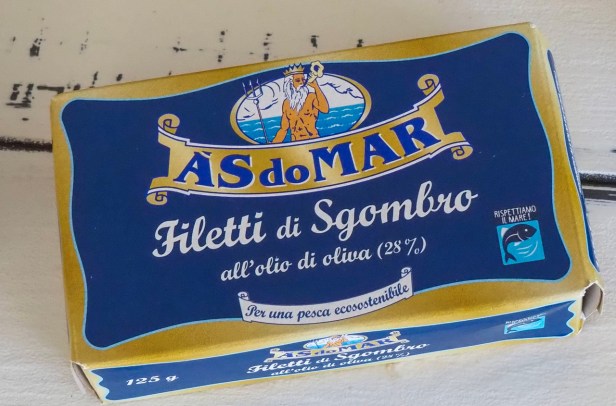
Tuna/sardines in olive oil: Tuna or sardines are a staple in the Italian cuisine and are sold canned in olive oil all over the country. These oily fishes are perfect to be mixed into salads, pastas or simply spread over a freshly grilled slice of white bread crostini-style. And the little cans themselves can be just as awesome and make for a great collection.
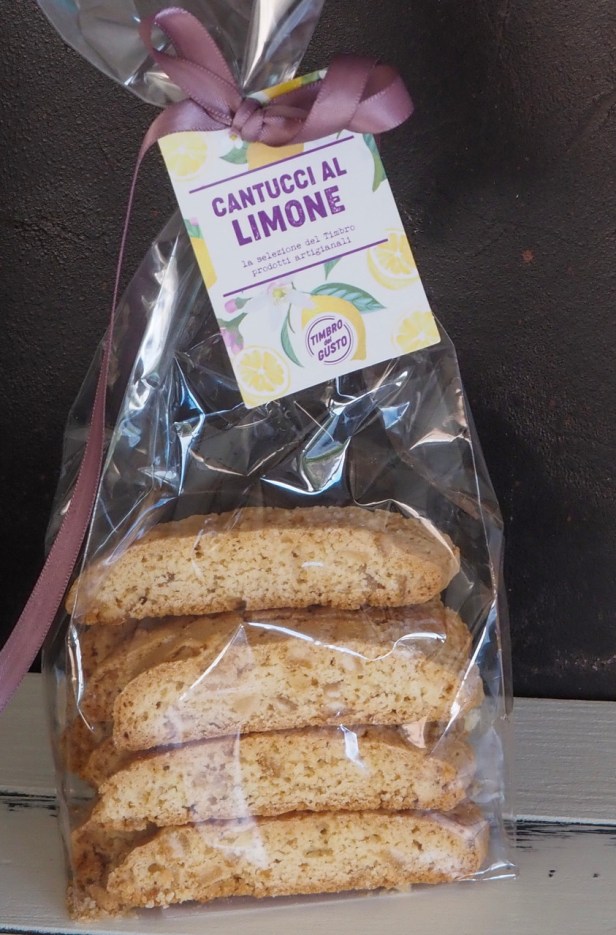
Artisanal Cantucci: You have not been to Tuscany if you have not tried the region’s delicious almond biscuits. Originally from the city of Prato in Tuscany, where they are still made according to the original 19th century recipe, you often find them under the name Biscotti di Prato. They are twice-baked, oblong-shaped, dry, and crunchy, and one of the best ways devour them is to dip them in a glass of sweet Vin Santo. They will soak up the wine and soften while remaining crunchy and preserving their typical almond flavour.
You will find cantucci nearly everywhere in Italy. A fun twist are cantucci with lemon (al limone) which are now also widely available across the country.
Gianduia chocolate: The high-quality hazelnut chocolate is one of the signature products from the Piemonte region in northern Italy. Gianduia originated as a soft paste made from a mix of milk chocolate, toasted hazelnuts and icing sugar. Think of it as Nutella (which originates in Piemonte as well, where it was developed from the original gianduia paste), but elevated by many, many times.
Today, gianduia chocolate is sold as paste, spread, chocolate bars or fillings of pralines. It tastes superb on its own but will also elevate a huge range of recipes from chocolate cakes to delicious desserts like gianduia mousse.
While originally from Piemonte, the delicious gianduia chocolate will be sold all over Italy.
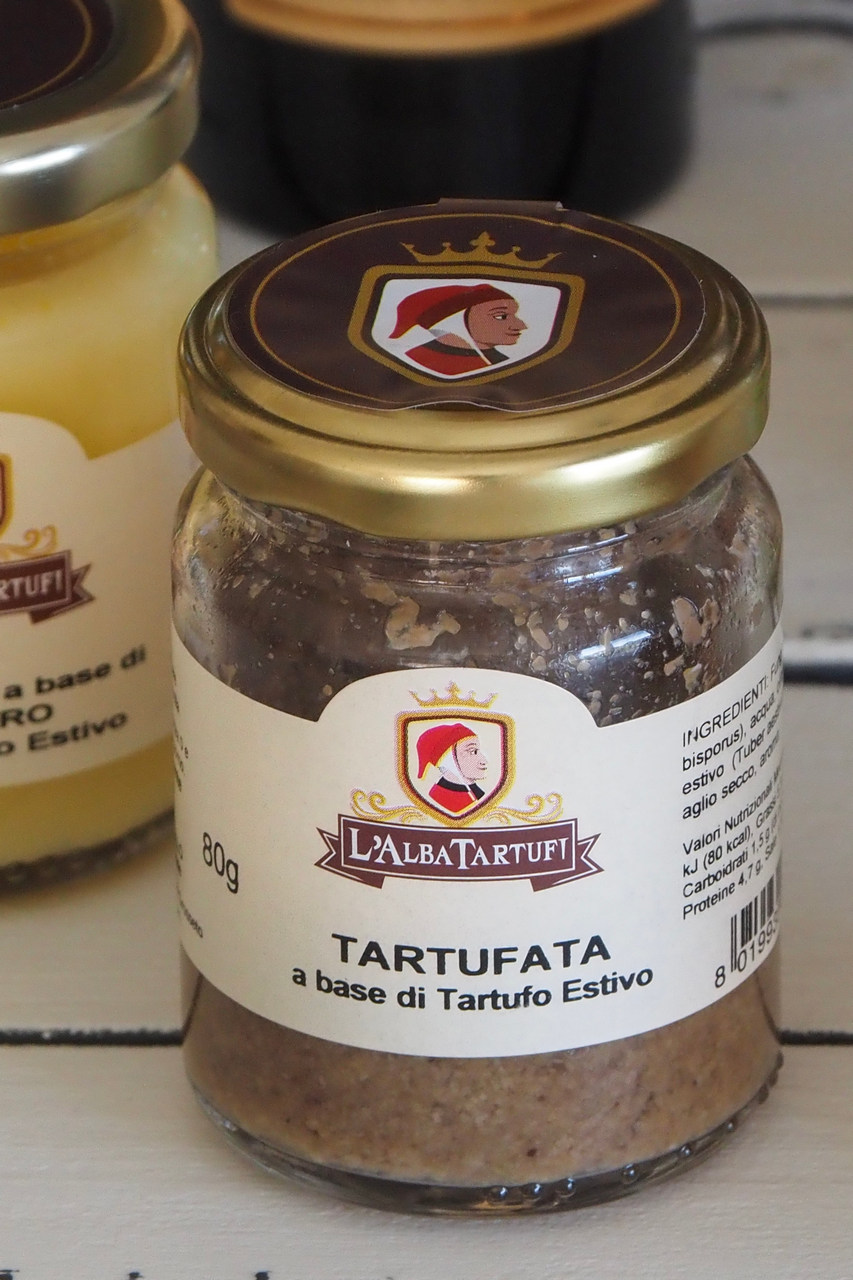
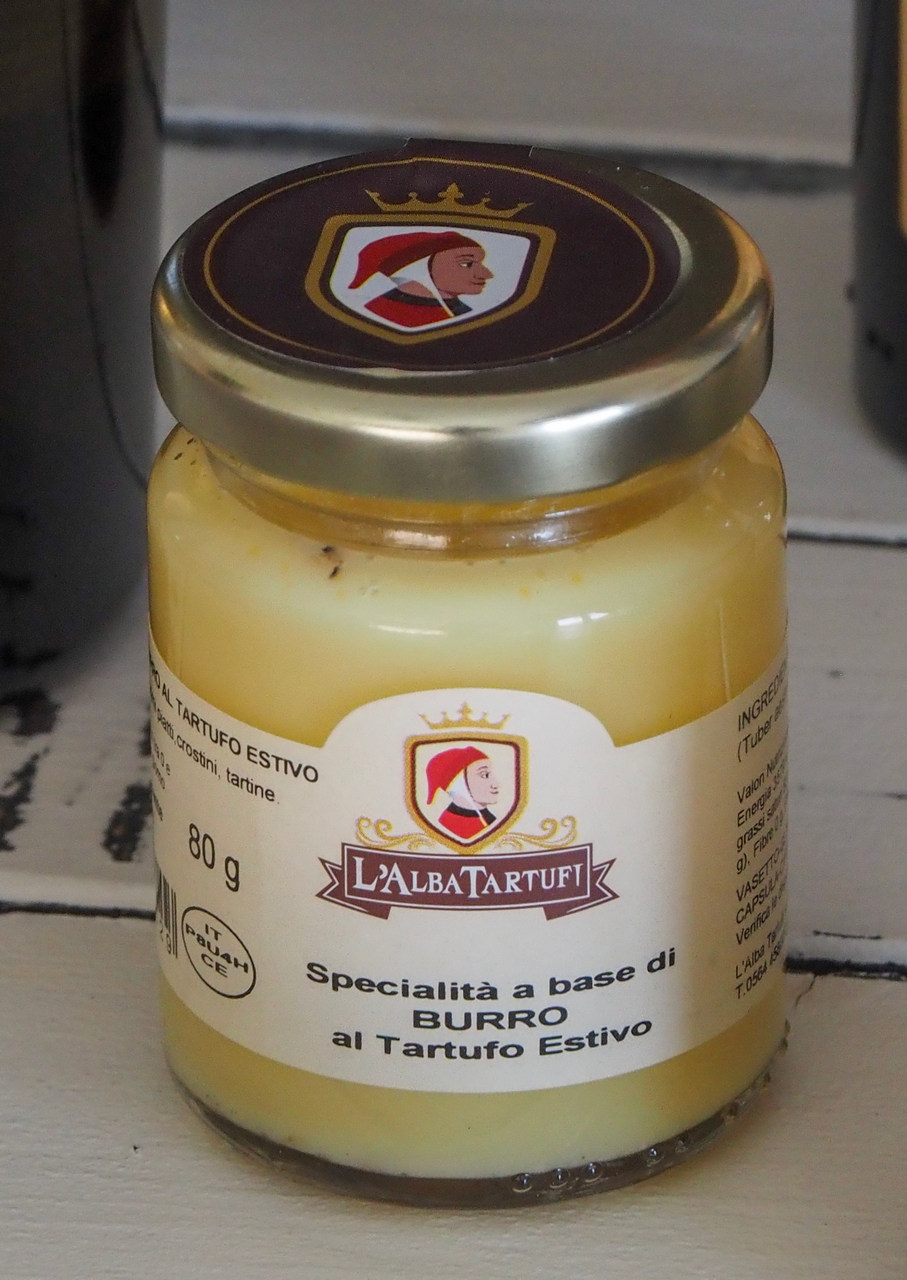
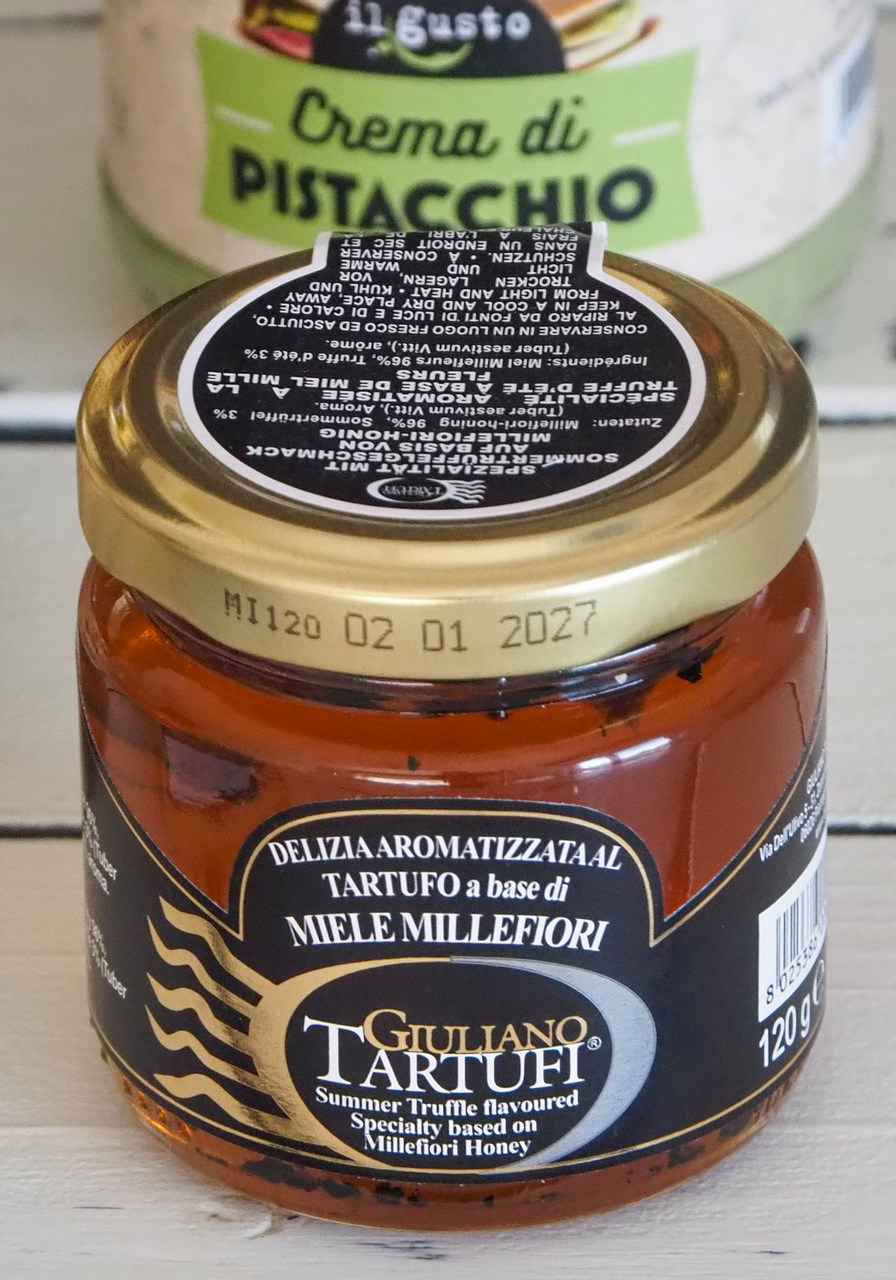
Truffle salt, truffle honey, or truffle paste: White Alba truffles from the Piemonte region are world famous and if you don’t mind spending a small fortune, are worth to be on your shopping list. That said, they are only available from October to December. Meanwhile, the less pricy black summer truffles are available from early June to late autumn. Featuring a nuttier, milder aroma they are highly versatile and particularly perfect for savoury sauces.
In addition to fresh truffles, you can buy a wide range of truffle items like truffle salt, truffle butter, truffle honey, different truffle pastes and more year-round. These are perfect to elevate a wide range of dishes from mixing into pasta, risotto, scrambled eggs, spreading on a toasted baguette or pan-seared steaks or sprinkling over fries and roasted vegetables.
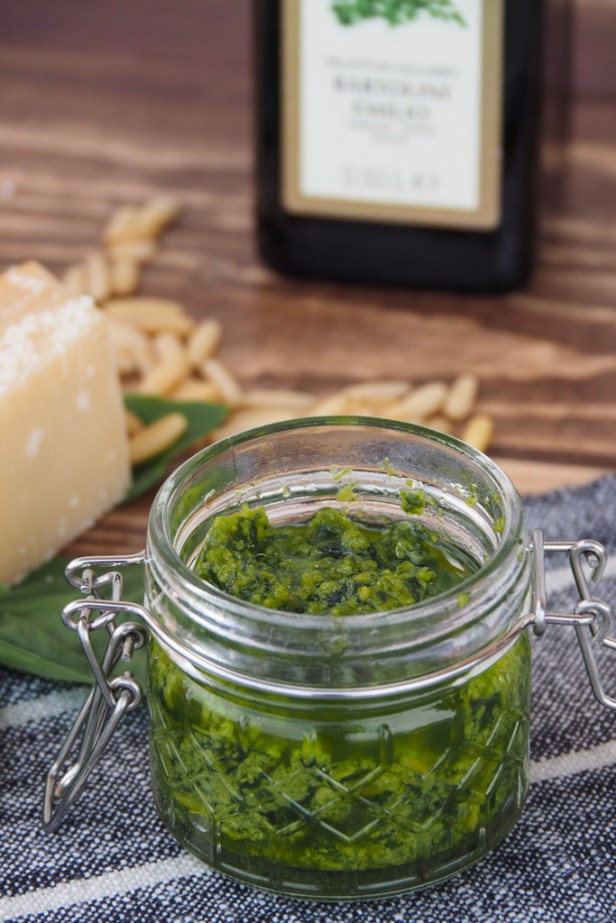
Pesto: Nothing beats a homemade, fresh pesto. Though I must admit, I don’t mind reaching for a store-bought pesto when short of time and when convinced about the quality.
Pesto is a staple in the Italian cuisine and used to elevate a huge range of dishes. There are so many on offer in grocery stores and supermarkets across Italy, it can be difficult to decide which one is worth it. Check out smaller, specialized grocery stores and reach for artisanal versions.
The traditional recipe, pesto alla Genovese, is made from fresh basil. Yet of course, depending on the region, there are many more recipes, and you will find varieties such as pesto alla siciliana (from Italy, made with tomatoes), black olive pesto, walnut pesto (from Liguria, made with crushed walnuts, cream or milk, garlic, Parmigiano, and soaked breadcrumbs) and even a yellow citrus pesto.
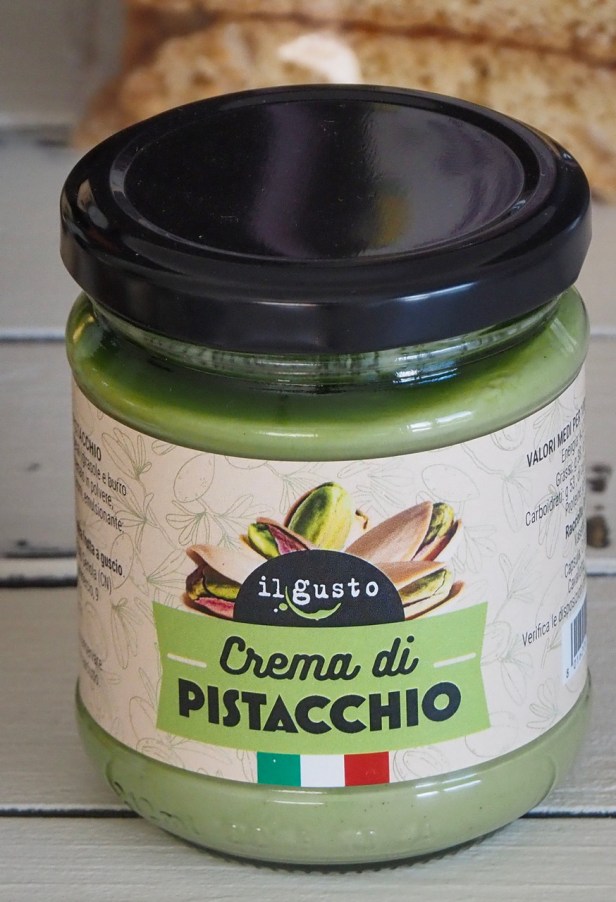
Pistachio Cream: Crema al Pistacchio, made with high quality pistachios from Sicily, white chocolate and milk is the perfect spread to be enjoyed on a slice of toasted bread or folded into a wide range of desserts and cakes (ever tried a pistachio tiramisu?).
Look out for high-quality artisan pistachio creams in small alimentari (grocery stores). They will make a big difference.
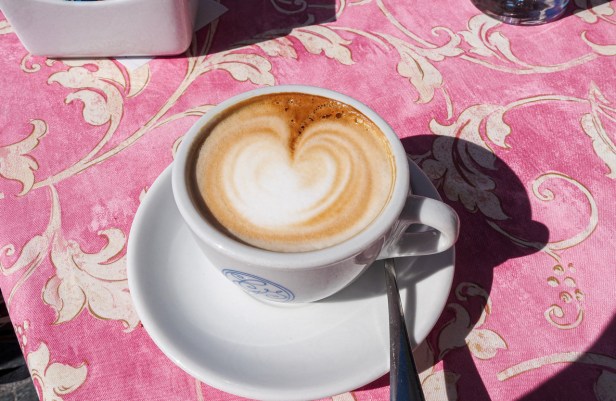
Coffee: Coffee is ingrained into the Italian life like no other product. From the most famous, the classic espresso (simply called café in Italian) to latte macchiato, cappuccino and all those different types of coffee you might not be familiar with, it is not only the preparation that offers different types of flavours. Travelling from region to region, you will find small-batch regional coffee blends featuring different flavour profiles based on different roasting traditions.
While the better-known ones like Lavazza, Illy, or Segafredo offer good quality, it’s worth looking out for regional, small-batch artisanal producers. Brands like Saravella handcrafted premium artisan coffee, Bendinelli Arabica Gourmet, Antigua Tazzadoro, Vannelli Coffee to name just a few are all worth paying a little extra.
Check out the smaller artisanal grocery stores to find the best regional coffee brands.
Do you have favourite food souvenirs to bring back home from your travels? Let me know in the comments below. And if you enjoyed reading this post, please consider giving it a quick like or and subscribe to get the next one directly send to you.

