The unwritten rules of drinking coffee in Italy
Prendiamo un caffè – should we have a coffee? I must have heard this sentence (or should I call it a statement?) nearly a million times during the nearly 10 years living in Italy. Or perhaps, more often.
Coffee is an integral part of everyday life in Italy, and it is consumed all day long. Considering the country’s reputation as a coffee loving nation, you might know this already.
But unless you have been to Italy and mingled with locals in a (coffee) bar, it’s nearly impossible to imagine the sheer variety of coffees served across the country. From north to south, the local customs and popular local types of coffee are completely different. That said, some rules apply throughout the country. No one will judge you if you don’t follow them – but you will give yourself away as tourist the moment you don’t.
So, how do Italians usually drink coffee? And what are the dos and don’ts you should be aware of when ordering/drinking coffee in Italy? Read on to find out.
How Italians drink coffee
In Italy, drinking coffee is considered a social happening; you will rarely find an Italian enjoying a cup in isolation. Instead, it is a shared experience enjoyed in groups. Interestingly, you will almost never be invited to an Italian home just for coffee. If you receive an invitation, it will be for lunch or dinner, with a shot of caffè (espresso) served naturally at the end of the meal. An invitation extended solely for the purpose of having coffee simply does not exist. Instead, when Italians meet up to socialize over coffee, they head straight to the local bar.
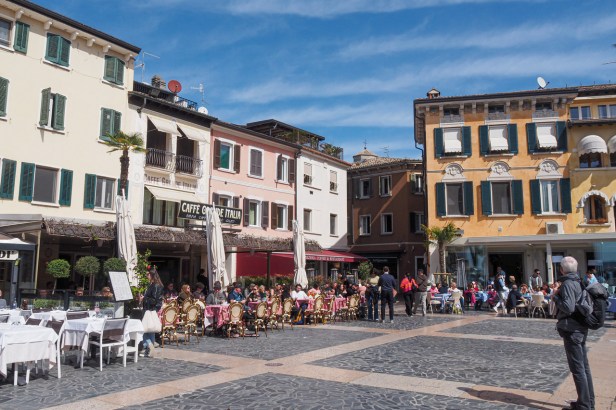
This might sound confusing, but in Italy a bar is something different from a pub or a nightclub. Rather, Italian bars are daytime coffee shops, serving espresso, pastries, and light lunches. Later in the day, they transition into social hubs for the traditional Italian aperitivo – the famous evening drinks accompanied by small, often complimentary, bites. As a result, a bar will stay open from early in the morning into the early or late evening (depending on the location).
Now that we have arrived at the typical location where Italians will have their coffee, there are a few local quirks you should be aware of.
First things first. In most bars you will need to pay for your order at the cash register before you place our order. Though exceptions of this rule exist, it’s a safe way to keep lines moving smoothly. Once you have paid and received your receipt (scontrino), head to the counter and hand it to the barista.
Coffee at the bar is usually consumed ‘al banco’, meaning it is consumed while standing at the counter. That’s right. Italians will usually not sit down to have coffee. ‘Al banco’ is an inexpensive way to order coffee – while sitting down means you must pay an additional fee for table service, which can bump up your bill sometimes up to three times the price you pay at the counter. This means, don’t bring your laptop to the bar and linger.
Think now you know everything about drinking coffee in Italy? You are far from it. There are quite a few dos and don’ts you should be aware of if you do not want to blend in with the locals. Though, making a mistake is never the end of the world.
The dos and don’ts of drinking coffee in Italy
Espresso is by far the most consumed type of coffee in Italy. But you never order un espresso in Italy. You order caffè – which is the Italian name for espresso. That said, it also describes coffee in general.
Many bars will serve a complimentary glass of water with your coffee. It is intended as a palate cleanser and meant to be consumed before your coffee, not afterwards.
Sticking to espresso – you will see double espresso on Italian menus, and you will also get it served when asking for one. However, Italians usually will not order double espresso (or dobbio caffè). Rather, they will return to the bar to have another one. Often multiple times during the day.
Caffè (espresso) is also meant to be consumed quickly, in few sips. This ensures you drink your coffee while it still displays the best flavour and aroma. Plus, consuming coffee ‘al banco’ is meant to be quick – do not linger longer than a few minutes. Otherwise, it’s considered impolite.
And this brings us to another rule most Italians sweer by. The time of the day dictates the type of coffee you order.
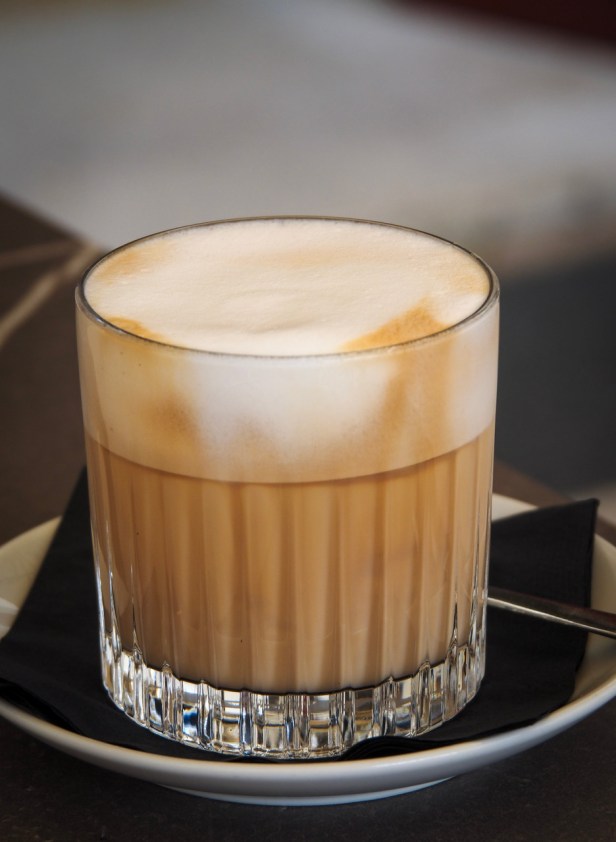
Milk-heavy coffee like cappuccino or latte macchiato are consumed during the morning only. Italians will not drink them after 11am since this would disrupt congestion. That said, if you order cappuccino or latte macchiato later in the day, you will get it served. Just know that you will instantly give yourself away as a tourist!
That said, it is fine to order a caffè macchiato, which consists of a regular espresso with a small drop of foamed milk. It’s a type of coffee that is perfectly acceptable at any time during the day.
By the way, never order a “latte” if you actually want a latte macchiato. Latte in Italian means milk and if you ask for a latte, that’s what you will get. A glass of milk.
And remember that coffee in Italy is considered a social event? Consequently, Italians will not order their coffee ‘to-go’. Italian bars will therefore not have to-go cups available – coffee is served in cups or glasses depending on the type of coffee you order.
The many different types of Italian coffees
Do you actually know how many different types/styles of coffee exist in Italy? To be honest. Me neither. Even after having lived in Italy for nearly 10 years and still travelling extensively through the country, I happen to discover new local specialities.
For a true coffee lover like me, how exciting is this exactly!
Earlier, I mentioned caffè (espresso), cappuccino and latte macchiato. But these are really to tip of the iceberg. The most common variations include caffè lungo, ristretto, corretto (with the addition of grappa), and marrochino.
Plus, there are many more varieties and local styles, all well worth a try. So, the next time you visit Italy, make sure to be adventurous and venture beyond the stereotypes.
Here are a few unusual ones to try on your next trip:
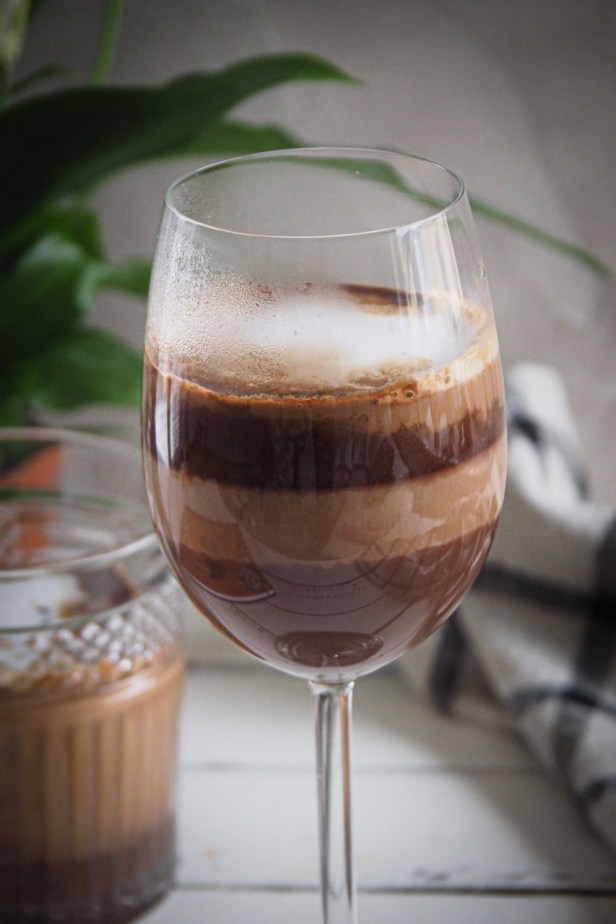
Bicerin: Invented at Café Bicerin in Turin, this chocolate-coffee mix is the most symbolic coffee of Turin to this day.
Caffè Padovano: Created in the 19th century by Antonio Pedrocchi in Padova at his namesake Café Pedrocchi. It is made with the addition of mint syrup, milk and cream and topped with cocoa powder.
Caffè Leccese: Made with espresso and almond milk or almond syrup and served with abundant ice cubes.
Caffè Shakerato: Once temperatures are going up, Italy’s take on iced coffee is becoming one of the most popular coffees. It features espresso shaken on ice to give a frothiness.
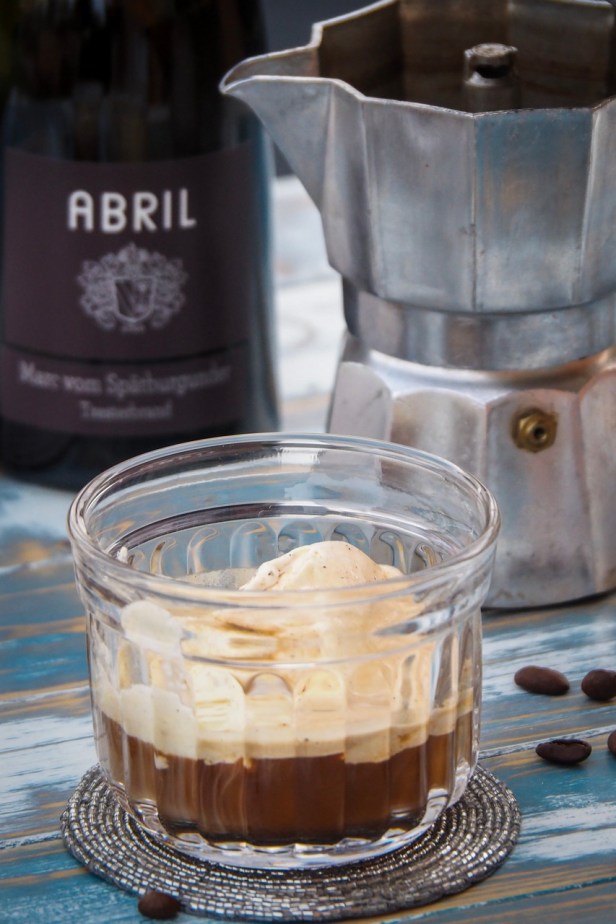
Affogato al caffe: Morea dessert than a coffee but if you’d ask me, who cares. It is simply another delicious way to have a shot of coffee. Plus, a large scoop of ice cream.
Ready for your next cup of coffee?
 Carrots and Tigers