The wines you should drink more of in 2024
One of the greatest benefits being a wine lover these days is, there is a growing range of exciting new wines from around the world waiting to be explored.
With 2024 kicking off, I have looked into the latest predictions made by wine experts around the world. Which are the new wine styles emerging, which ones are here to stay, and which ones are on the way out?
If it comes to my own taste, I can certainly confirm everything on the list below perfectly suits my taste. It’s safe to say you will see those wines popping up here on the blog and my other feeds more regularly as the year unfolds.
What about you? Are you already into drinking these wines or keen to explore them?
Rosé wines all-year and beyond Provence
Let’s start with the obvious and less surprising. The rosé boom is still nowhere close to run out of steam.
Quite frankly, it is no longer a boom really. Rosé wine is now a category as accepted as white or red wine. It is no longer a wine exclusively for the warm months of the year either. Thanks to different vinification methods like longer maceration times, barrel aging and blending of white and red wines, the quality of rosé wines is higher than ever, and styles and flavour profiles are broadening. The result are wines highly versatile with food while still perfect to be sipped on their own.

Nevertheless, good quality rosé is still largely considered to come predominantly from Provence. This year, however, expect to see rosé wines from other regions around the world to claim their place in the limelight. From Spain to Italy, Germany, California, Australia, and everywhere between you will now find exciting rosé wines worth to put on your list of wines to taste.
Wines from Portugal, Piemonte and South Africa
More popular year after year, 2024 might be the year for Portuguese wines. Vinho Verde from the northwestern winegrowing region bearing the same name seems to enjoy a particular hot moment. With a light and fresh flavour, offering a hint of fizz and a moderately low alcohol content it might just become the favourite summer wine of 2024. That said, with over 250 native grape varieties, Portugal is a treasure trove for everybody keen to explore new styles of wine. Personally, I love the rich red wines from the Alentejo region.
Italy’s Piemonte wine region is undoubtedly well-known for its excellent Barolo, Barbaresco, Nebbiolo and Barbera wines. However, the area is currently witnessing a shift with the cooler areas of Alto Piemonte (the higher altitude northern part of Piemonte) gaining in attraction. Adding to that, following a period when most attention was given to the flagship grapes of the area, winemakers are rediscovering some of the traditional local varieties including Arneis, Freisa, and Grignolino.
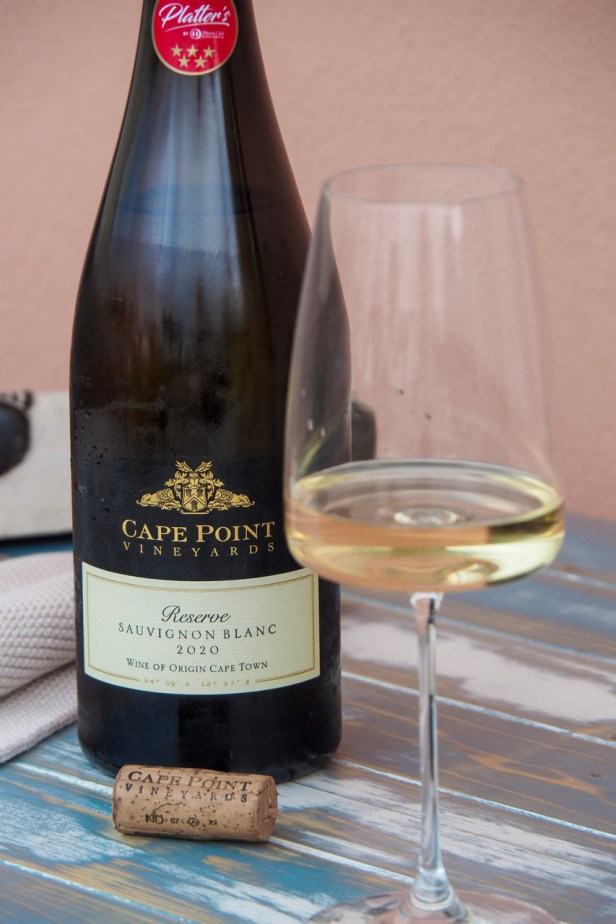
South Africa is likewise no longer a newcomer among wine lovers but this year especially the regions flagship grape Chenin Blanc could see a boast in popularity internationally. This will be mainly supported by Chenin Blancs made from old vines showing a huge ageing potential and great quality, at still moderate prices.
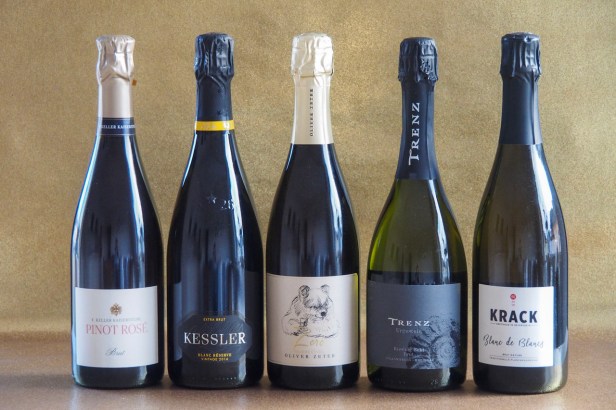
Classic method sparkling wines from regions outside Champagne
Who would seriously say no to a glass of champagne? The effervescent bubbles from the synonymous French region are a drink (trend) that will never go out of style.
There is a but, however.
High price tags and increasingly challenging growing conditions that pose a growing risk to persistent quality are a causing even die-hard champagne enthusiasts starting to look elsewhere. Regions such as Italy’s Franciacorta, the Penedes in Spain, South Africa, and the English wine country are among those well positioned to attract significant more attention this year.

These sparkling wines not only rival the quality of champagne, are equally made with second fermentation taking place in the bottle and display their very own exciting flavour profile. You can still buy them at significantly lower prices too.
Save to say, this one is one of my favourite trends and sure to last for much longer than 2024.
Wines from lesser-known wine regions
It might be down to a growing understanding of wine in general, the quest to find new and unique styles, and perhaps a question of price as the wines from the leading regions can cost quite a lot nowadays. In part it is also driven by changing climate conditions benefitting regions outside of the traditional winegrowing areas. Just think of the recent boom in English sparkling wines made possible thanks to warmer local summers.

This year, expect to see wines from regions such as the Jura in eastern France, the Alto Adige region in northern Italy, Mallorca, and eastern European countries such as Croatia, Hungary, and Slovakia to emerge more prominently on shelfs and wine lists.
In California, attention is shifting to areas such as Paso Robles while still further south Baja California and Valle de Guadelupe in Mexico are quickly gaining in popularity. Wines from South Africa are no longer coming exclusively from the major areas around Franschhoek, Stellenbosch and Paarl. In particular the cooler climate areas of Hemel-en-Aarde and Elgin are now adding to the diversity of South African wines.
More regions will follow in the next few years as more and more locations are added to the list of places growing vines. But for now, those already getting more noticed offer a lot of potential to explore new styles.
Wines from lesser-known local indigenous grapes
Much like exploring new wines from lesser-known wine regions, 2024 will be the year of exploring lesser-known grape varieties.
Over recent decades, the ever-growing popularity of international mainstream grape varieties like Chardonnay, Sauvignon Blanc, Cabernet Sauvignon, Merlot, and Pinot Noir caused many winemakers to merely focus on wine made from these grapes. Though there is nothing wrong with these wines in general, around the world there are hundreds of local indigenous varieties also worthwhile being explored.

With renewed attention on authentic local flavour profiles, many of the nearly forgotten local autochthone grapes are currently seeing a revival. As a result, 2024 could be the year of such wines like Touriga Nacional (from Portugal), Nerello Mascalese (from Sicily), Austria’s Gründer Veltliner, Falanghina (one of Italy’s most ancient white grapes) and Aidani (a white grape from the Greek Island of Santorini).
In other words, this year there is no excuse to explore the styles of the unknown to expand your wine knowledge.
PIWI Wines
Another trend in the wine world that is taking shape due to climate change. Rising temperatures causing longer and hotter summers are posing a significant challenge for a growing number of the classic winegrowing regions. Then there is a trend to reduce the use of pesticides, which is hard to achieve with the well-known classic grape varieties.

Enter PIWI wines, which are made from a new breed of vines that have a high resistance to fungal diseases and do not need a high amount of pesticides (making them more environmentally friendly).
In addition to the sustainability aspect, PIWI wines add to the widening range of style and flavour. Though some of the new grape varieties bear resemblance to well-known international grape varieties (after all they are based on crosses for these grapes with resistance partners) they do produce different wines.
If you want to stay on top of the emerging wine trends, you certainly need to get a grip on the new grape varieties emerging out of the PIWI movement.
Natural Wines
‘Natural’ is one of the hottest ticket items right now, not only in the world of wine.
What exactly qualifies as ‘natural wine’ is still on the drawing board as we wait for a final definition along with regulations from regulatory bodies in place around the world. That said, there are some clear pointers where the natural wine trend is heading. Minimal intervention in the vineyard and cellar (abstaining from the use of pesticides or herbicides for example), hand-picking of grapes, only using native yeast to set of natural fermentation, and most importantly not using any additives like oak flavour, sugar, acid, and anything else.

The perhaps best known and quite popular styles of natural wines include the fizzy Pet Nat (petillant naturelle) and orange wines. In recent years, both varieties were among the fastest growing wine categories and with demand for natural wines predicted to see a steep increase this year, expect to see more orange and Pet Nat wines on the shelfs and at restaurants and bars.
Non-alcoholic wines
With wine lovers and everybody else embracing a healthier lifestyle, demand for no-alcohol wines is rapidly increasing. At the same time, quality of non-alcoholic wines is getting better year after year thanks to improving knowledge and modern technology in the cellar.

As a result, the health-conscious wine lover will find a growing range of excellent no-alcohol wines to choose from. Even the most renowned names in winemaking are now bottling one or two wines less the alcohol content (or are at least looking into it).
Expect 2024 to be another year with exciting new finds in the no-alcohol division as this trend will live on strongly in the years to come.
Wine cocktails are no longer looked down at
The times you were seriously looked down when mixing with wine are gone. In 2024, wine cocktails are a well-accepted part of the drinking scene.

The Wine Spritzer is likely the first that comes to mind but expect to see cocktails such as the New York Sour, Wine Slushies, and all sorts of Sangria varieties to appear more often on bar menus this year.
So grab a bottle of good (but not the highest quality and most expensive) wine and start mixing up some delicious wine cocktails for your next party at home.
Wine tourism will continue to attract visitors to a growing number of wine regions globally
Wine tastes better when it is consumed where it is made. That is a well acknowledged fact and while a good bottle of wine will perfectly taste good in a restaurant near you or at home, visiting a wine region is the ultimate opportunity to expand one’s wine knowledge and discover new wines.

Exploring local wineries and wine bars, tasting the wines of the area, ideally in combination with local food, hiking through vineyards and finally bedding down at a local winery surrounded by rows and rows of vineyards. There is no surprise wine tourism has been one of the biggest trends in the hospitality industry in recent years.
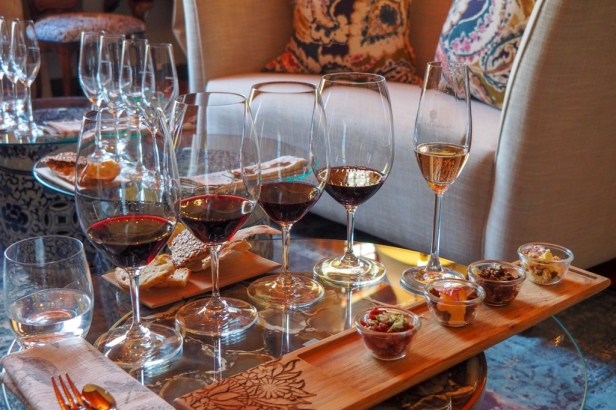
What started in only few select wine regions (and a big thanks to Napa Valley) has taken the rest of the world by storm. Yet, there are still many regions only starting to open up to wine tourists.
This year, propelled by the quest exploring lesser-known grape varieties and wines from lesser-known wine regions, wine tourists will seek out new destinations globally.
What is the wine trend you are most excited about in 2024? Let me know in the comments.
 Carrots and Tigers