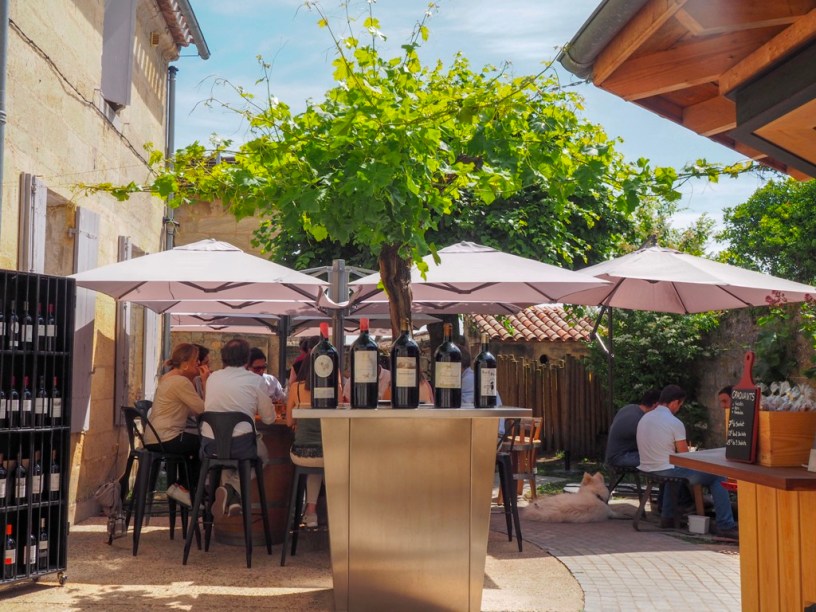
From local wines to delicious regional food, street parades and live music, these 12 exciting wine festivals deserve a place on your travel itinerary.
As someone who loves exploring wine regions and discovering new wines, I had the opportunity travelling to many wine regions, attending many of the local wine festivals.
These events are among the most exciting occasions exploring a destination through culinary traditions, including not only wine but also local food and folklore. They are also typically hold in some of the most scenic landscapes, from historic city centres, medieval wine villages or surrounded by vineyards.
While wine festivals now take place year-round, including wine fairs and other industry events often extending to the public in many European cities, it is from early spring through October that Europe’s wine regions will burst with thousands of local, often historic, wine festivals. Most will be on the smaller side, hold in the area’s historic winemaking towns and featuring from around 50 to over 100 participating local wineries. Some will be larger, including in certain cases up to a couple of 100 wineries.
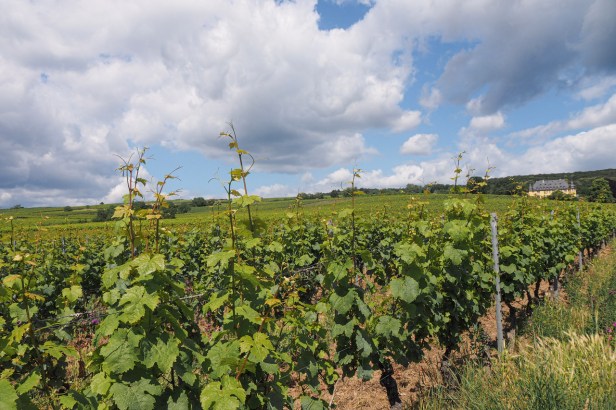
For those interested in wine and local culture, these events offer unique opportunities to get in touch with winemakers and taste rare local wines which are often difficult to find outside of the region where they are produced.
In this round-up of exciting wine festivals I will take you to various leading and emerging European wine regions, highlighting exciting events featuring local wines and other delicacies along with other entertainment.
12 exciting wine festivals to visit in Europe
Save this list of exciting local wine festivals in some of the most breathtaking wine regions around Europe to plan your next wine-filled itinerary around these special events, usually taking place annually.
Cantine Aperte, Italy
Annually, during the last Sunday in May, thousands of Italian wineries will open their doors to visitors. While lasting only one day, this is one of the most exciting wine events you will encounter across Europe.
On the day, wineries across the whole country will open their doors, offering either free or low-cost tastings, cellar tours and hikes through their vineyards.
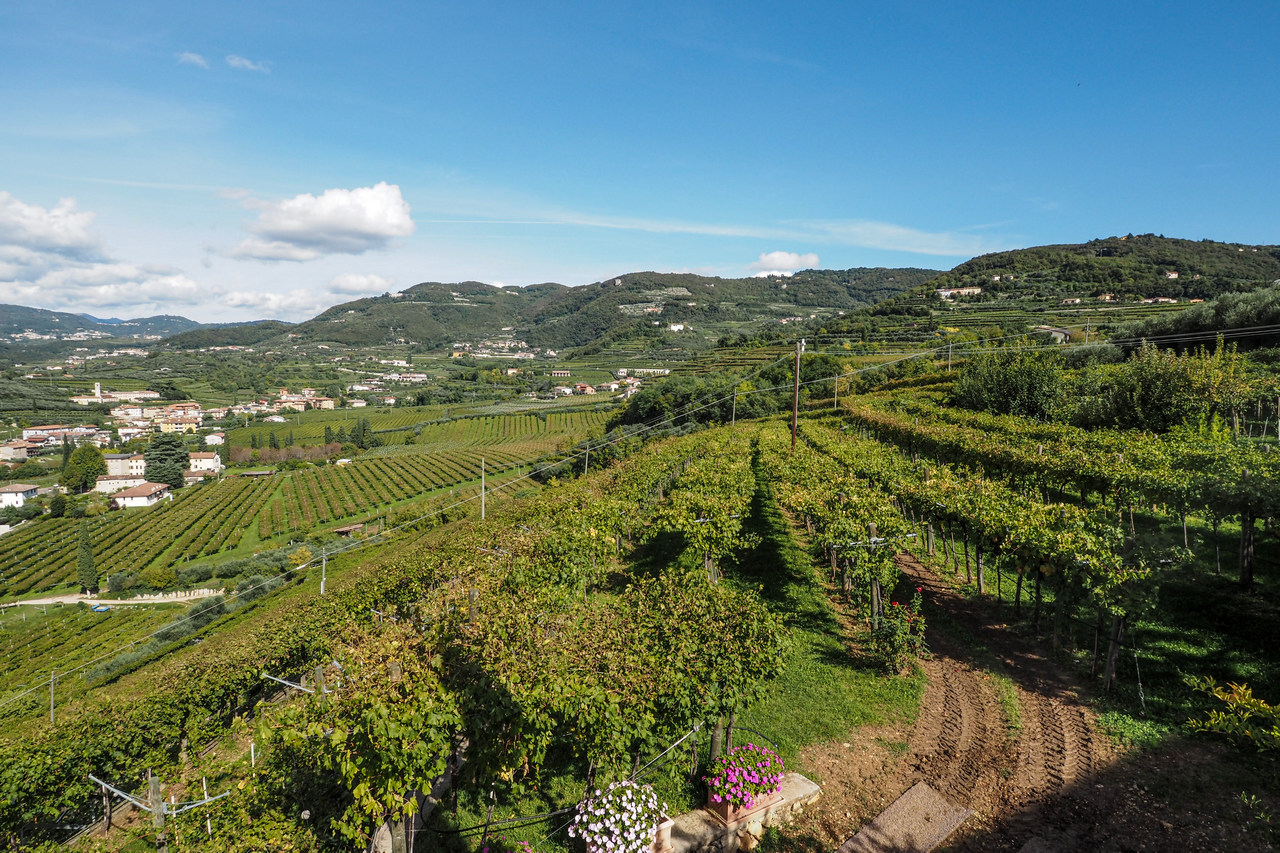
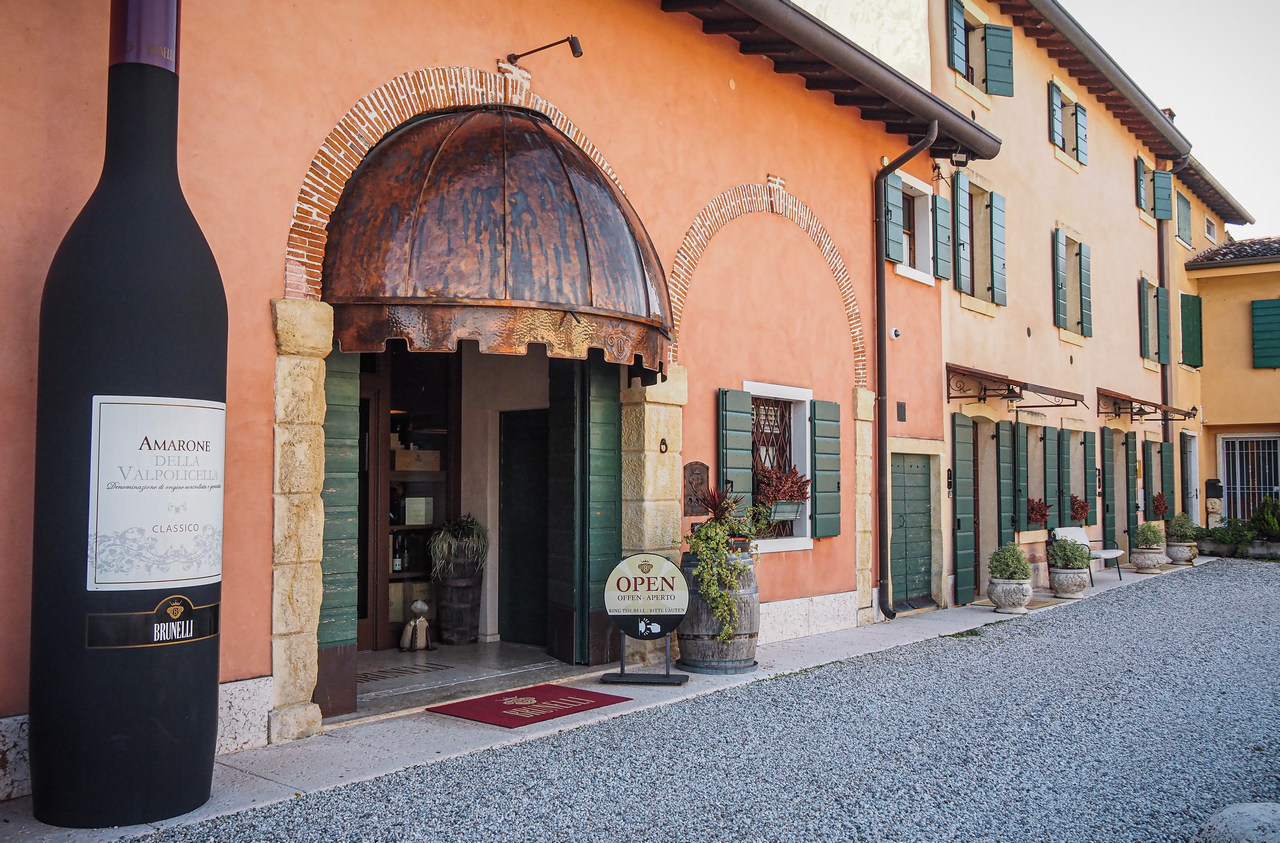
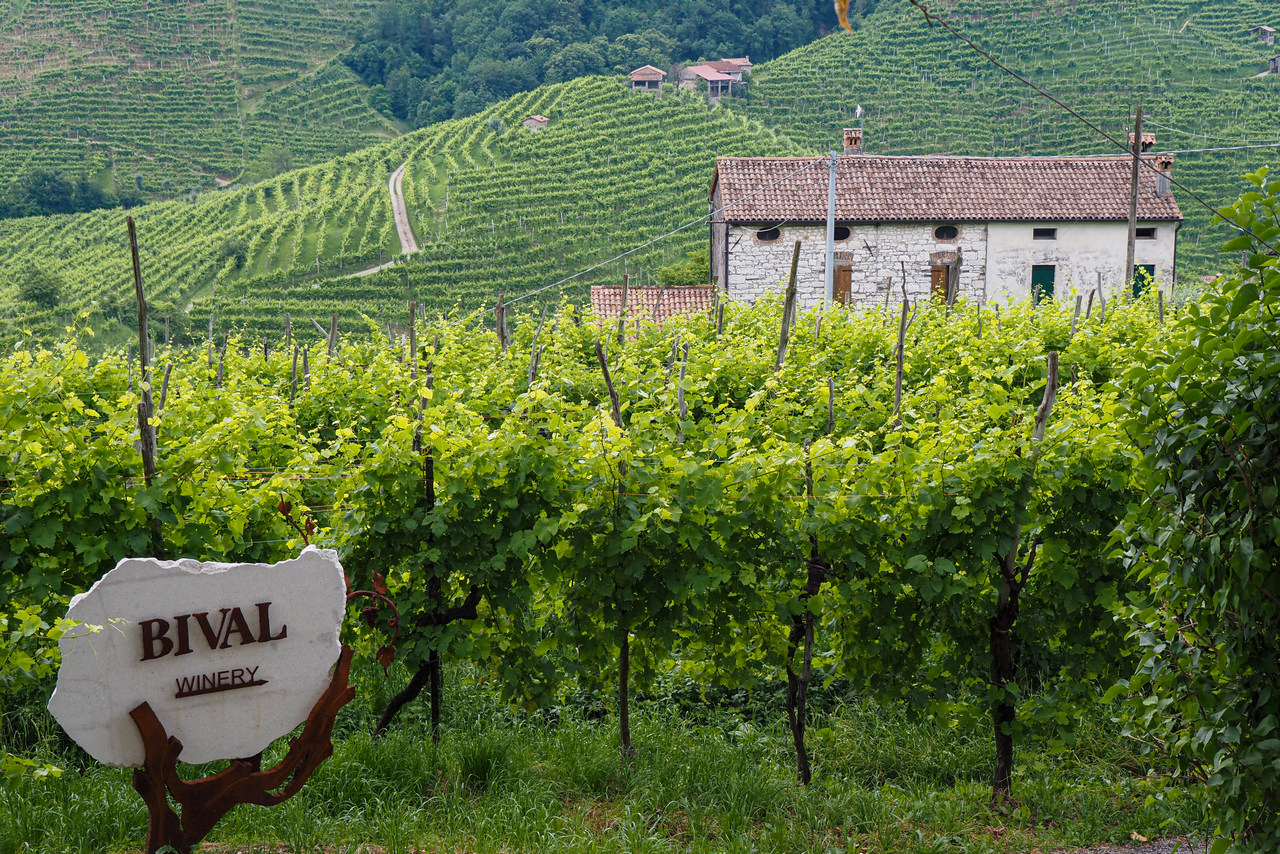
While this is a nationwide coordinated event, each participating winery will offer an individual event programme ranging from simple wine tasting to vertical tastings, food pairings, life music and more.
Cost: Entry to participating wineries is usually free, while dedicated tastings like verticals and food pairings will be fee based, ranging anywhere from EUR 20 to 50 in general.
Good to know: Not all wineries will take part, and participation is typically the highest in regions like Piedmont, Tuscany, Veneto and Sicily.
Bordeaux Wine Festival (Fete le Vin)
During four days in June every two years, the event takes places in the centre of Bordeaux and stretching over two kilometres along the banks of the Garonne River.
Featuring the excellent wines from the Bordeaux region along with other local delicacies like cheese and oysters, this is a true gastronomic event and one of the largest public wine festivals in Europe with well over 1,000 winemakers taking part.
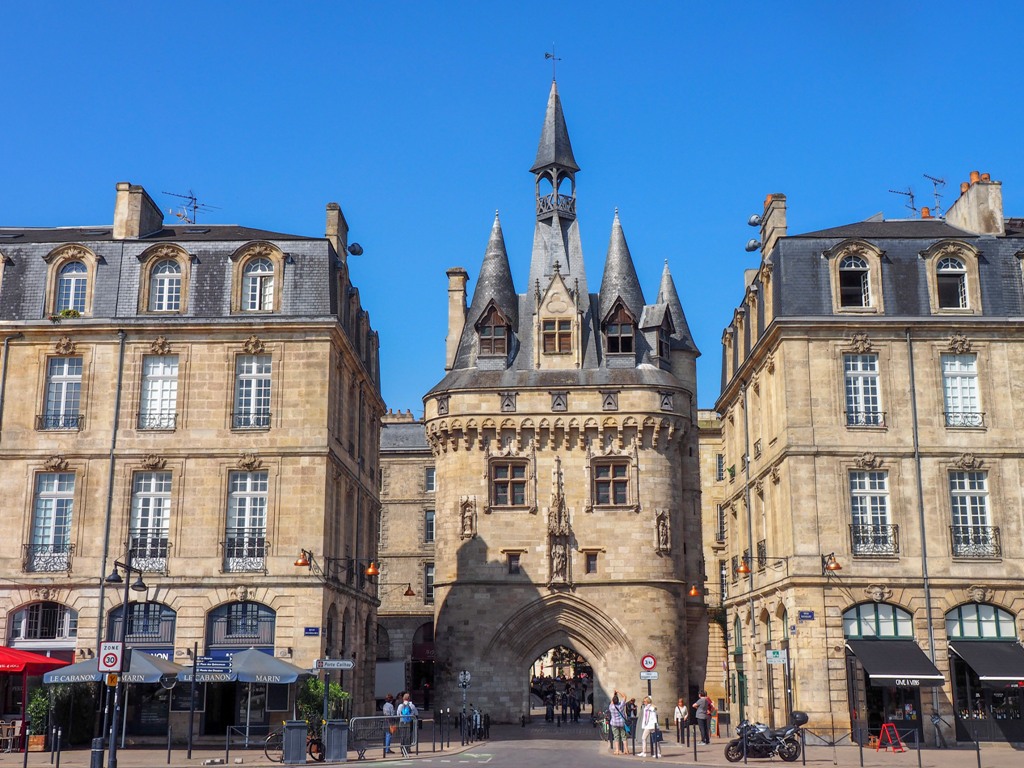
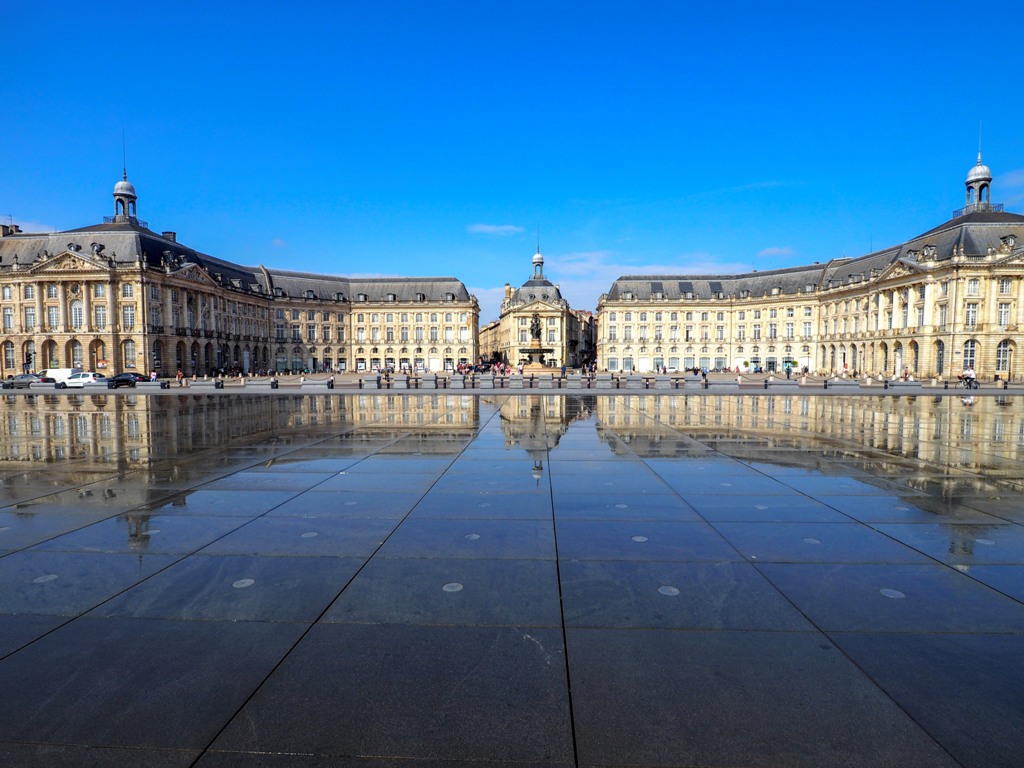
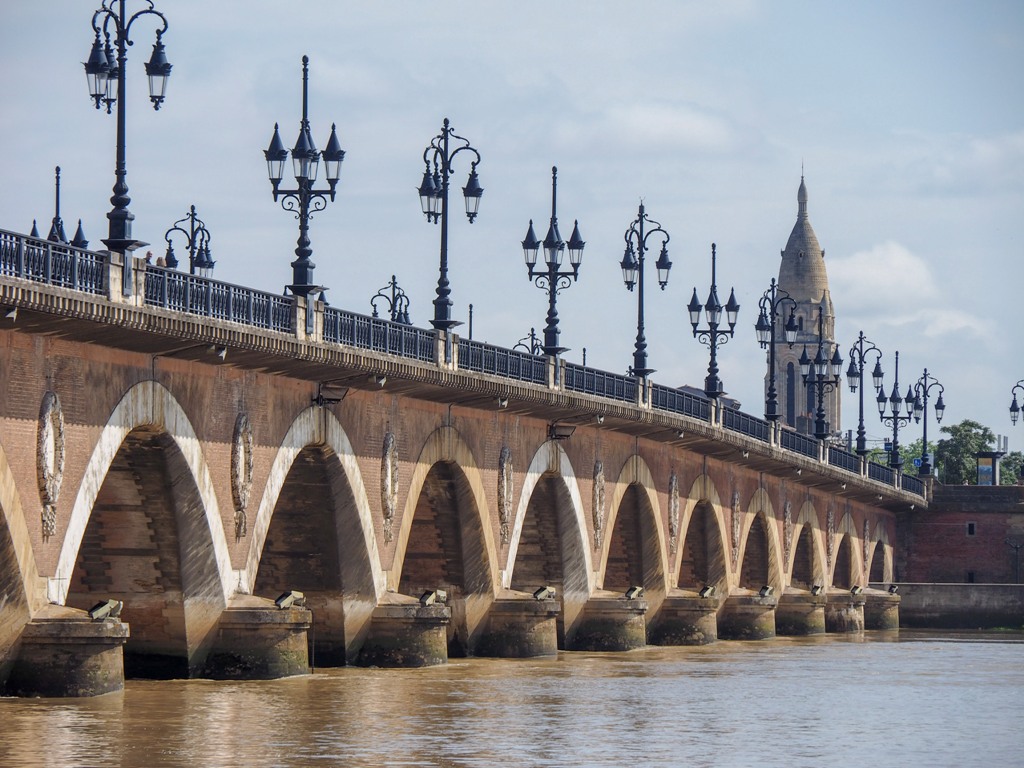
Come here to sip on outstanding wines, get in touch with local winemakers, take a cruise along the Garonne River, or simply tour one of the historic ships that will be docked at the queys, and enjoy life music and light shows.
Cost: A tasting pass will cost around EUR 20 to 2025 which includes a tasting glass and 10-12 tastings at any of your chosen winemakers. Attending workshops or premium tastings will have an additional cost.
Haro Wine Festival
Considered the unofficial capital of Rioja wine, the village features Haro Wine Station (Barrio de la Estación) which is home to the areas’ leading wineries.
The event that takes place annually on Saint Peter’s Day in late June is known as Batalla del Vino (Battle of Wine). Celebrating both the saint and the local winemaking tradition, during the event, participants dressed in white will spry each other with red wine. It takes place on the Riscos de Bilibio cliffs outside of Haro.
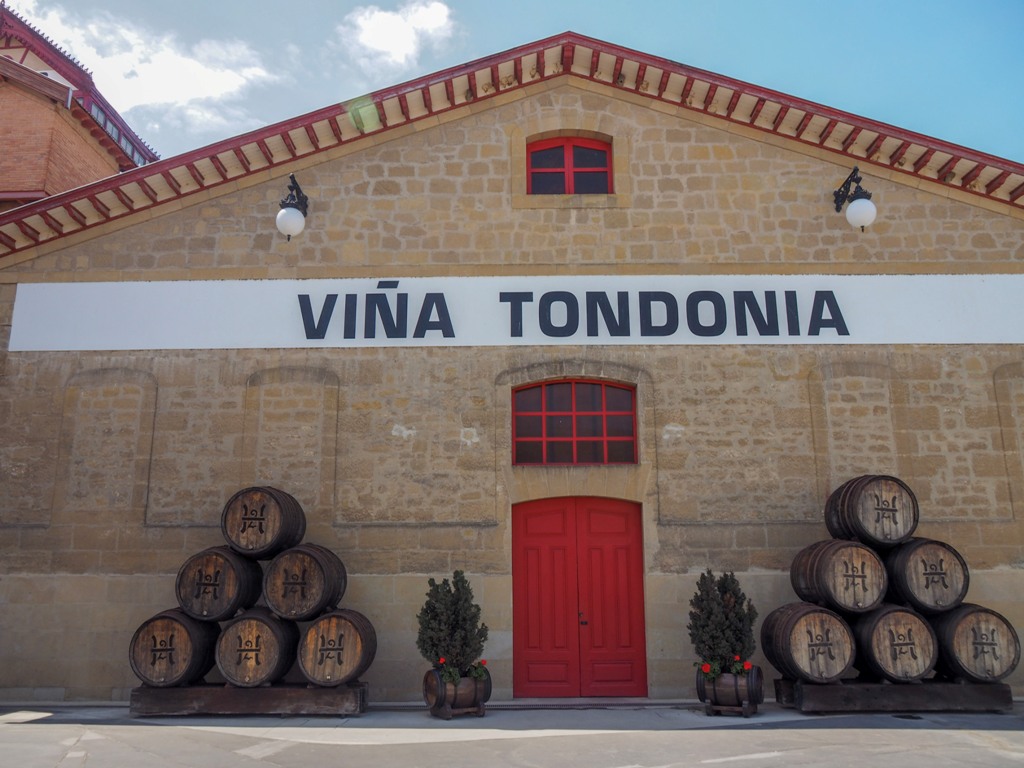
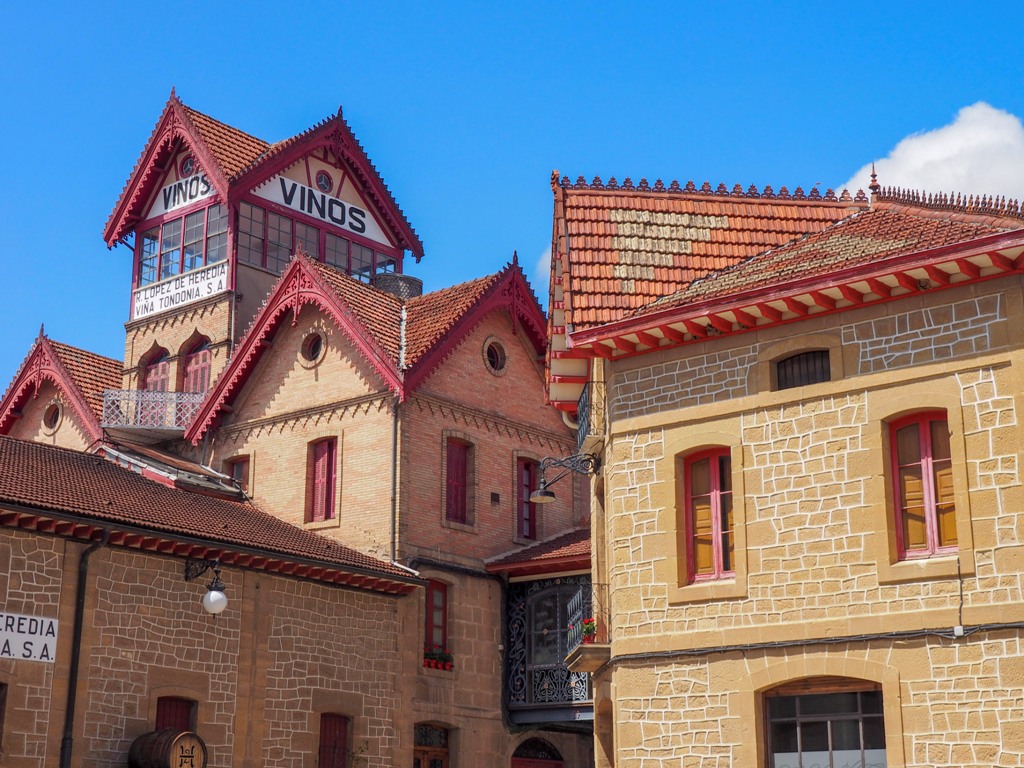
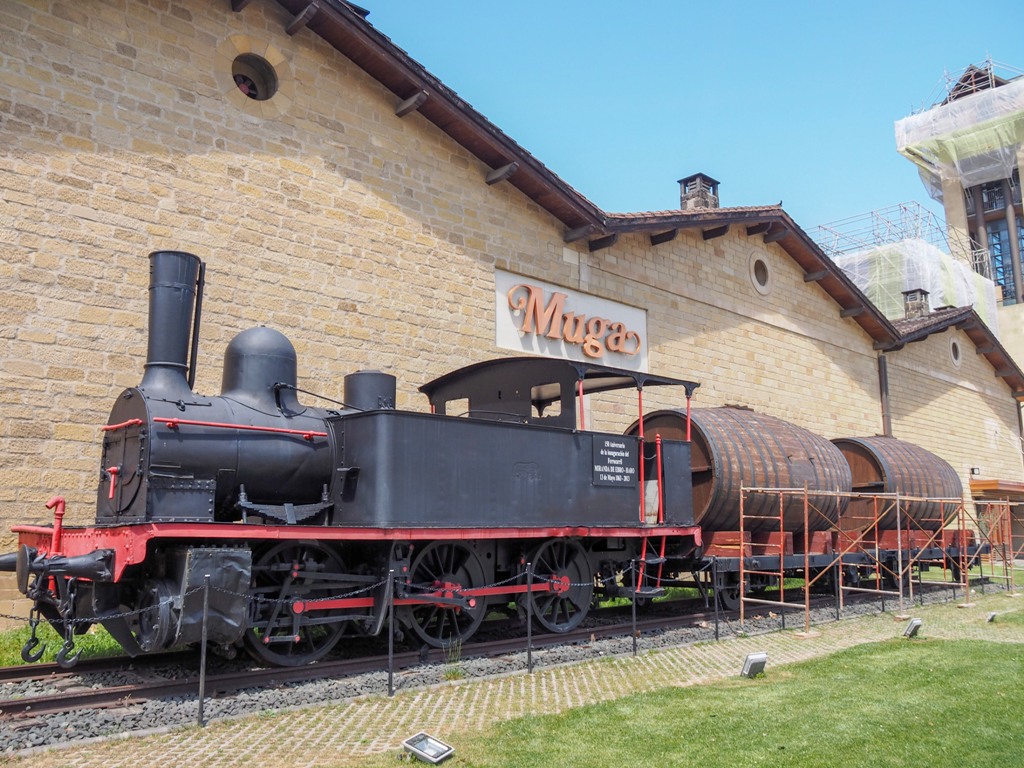
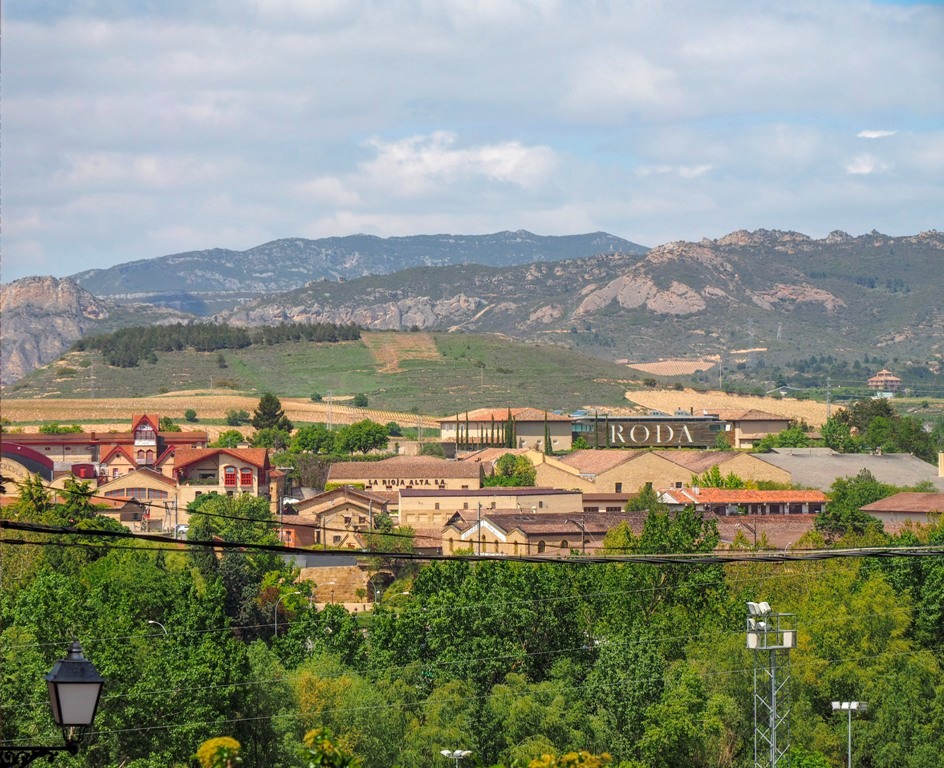
After the battle, which takes place in the morning, participants will return to Haro town centre where celebrations will continue with wine, food and music.
Cost: The battle is free to attend while wine and food in the town centre will be sold at typical retail prices.
Vienna Wine Hiking Days
One of the very few European cities featuring over 600 hectares of vineyards and around 170 wineries within its city boundaries, Vienna celebrates various wine festivals over the year.
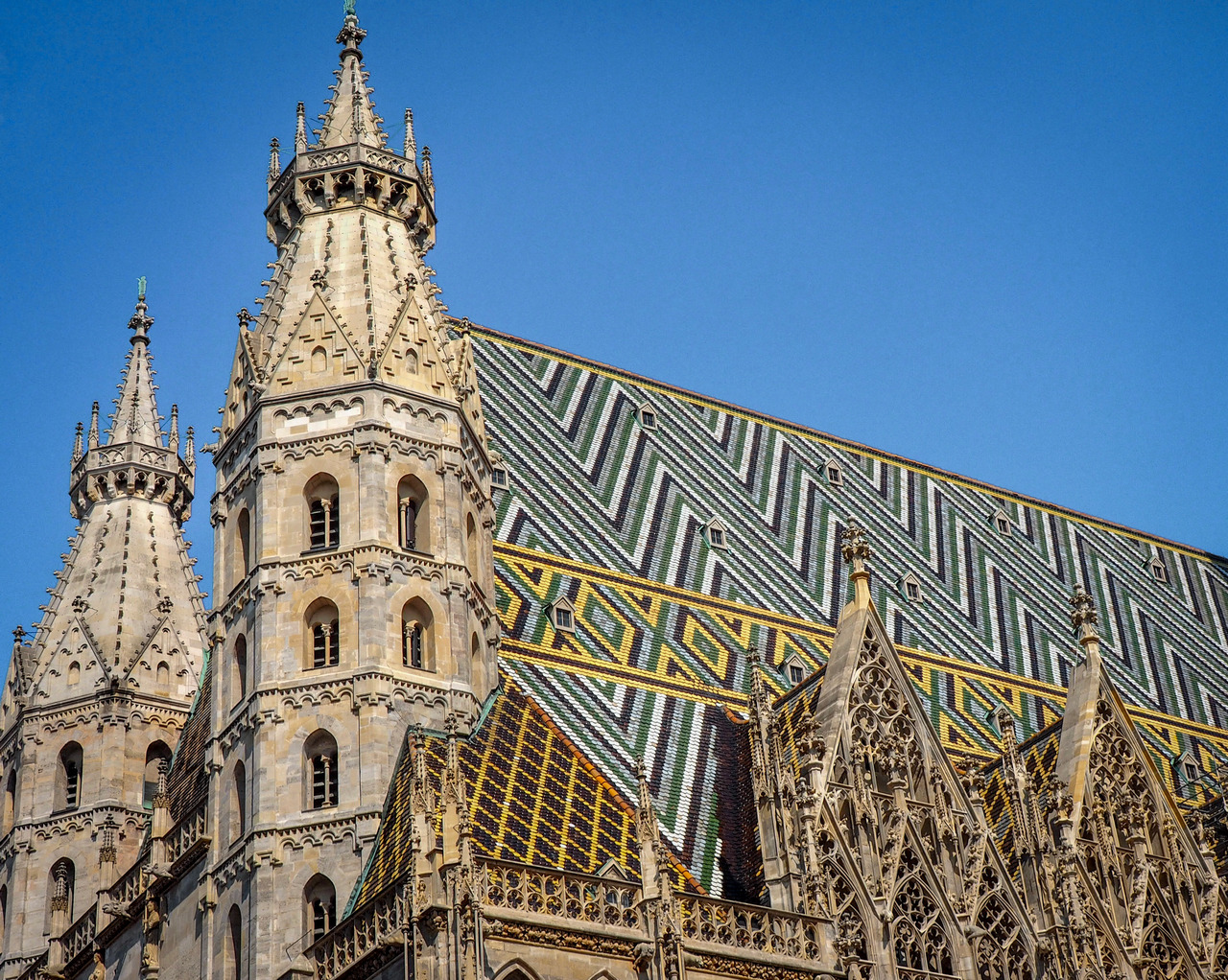
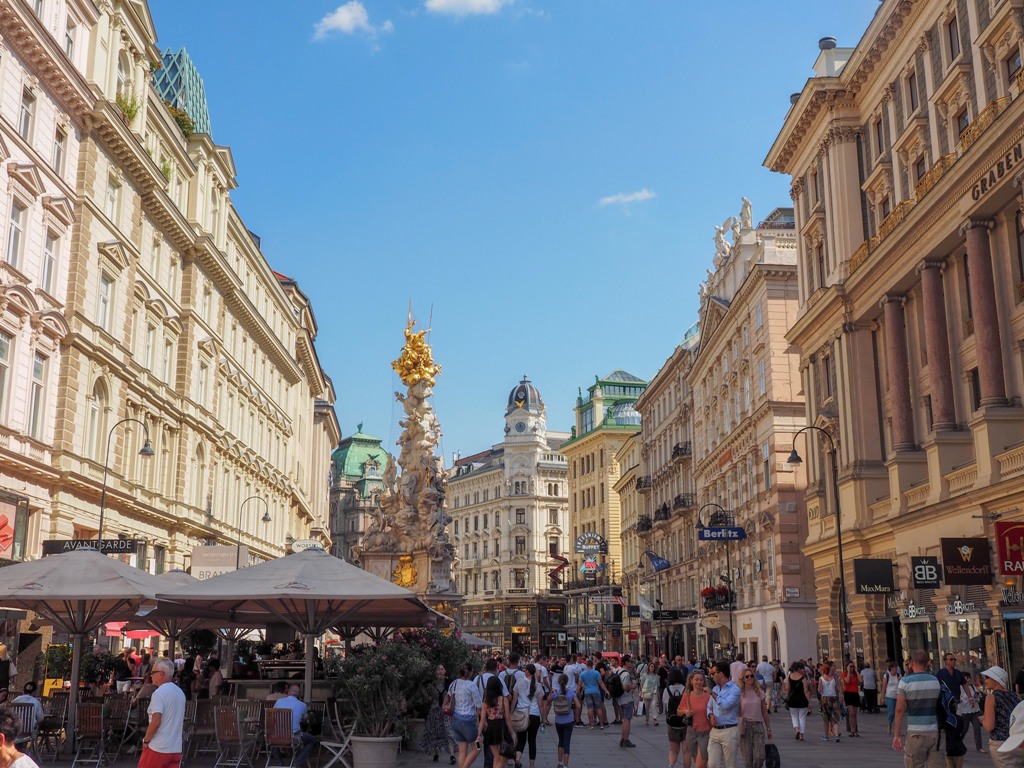
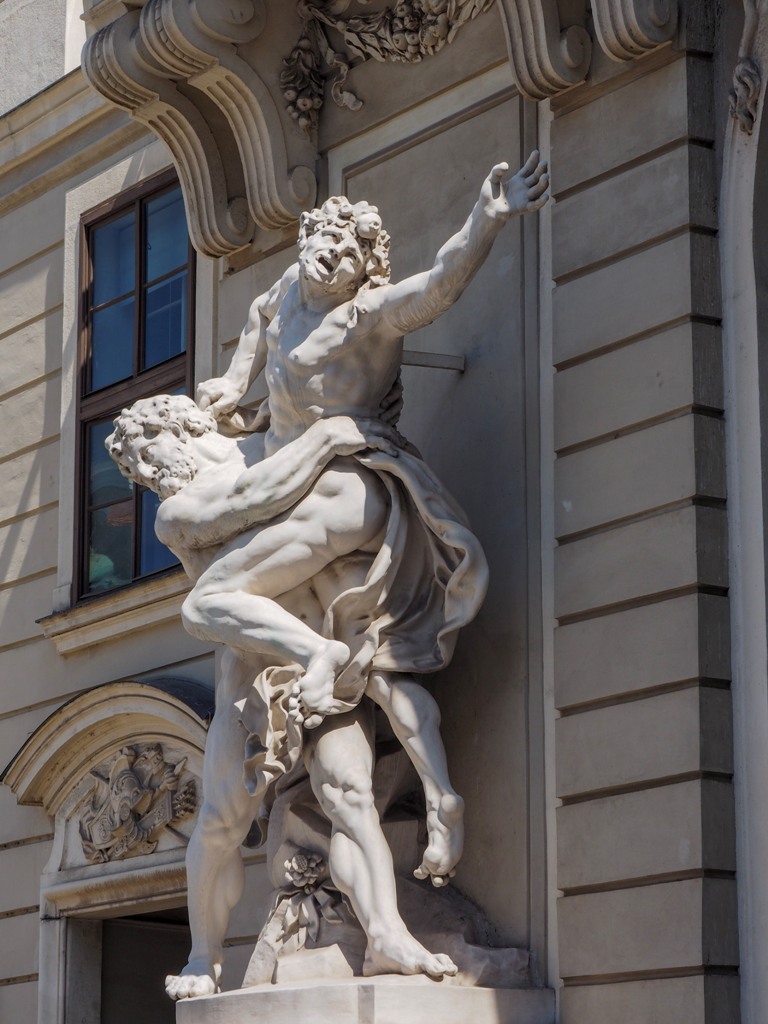
Among these events, one of the most striking is held annually in late September / early October and combines wine tastings with hikes through the vineyards. During the event, local vineyards will open to the public for one weekend and visitors can embark on hikes following four different tails lined by stalls offering local wines and food.
Cost: Access to the trails is free while purchasing wine and food at the stalls / local wineries will be subject to typical retail prices.
Dubrovnik Festiwine, Croatia
Croatia is one of the more recent additions to the European wine map. Though winemaking here goes back to ancient Greet settlers on Dalmatian islands like Hvar and Vis in the 5th century BC, it is only in the last few decades the area has produced notable quality wines.
Launched in 2014, Festiwine is likewise a recent addition to the European wine festival calendar. Taking place annually in spring, the event predominantly features winemakers from Dalmatia, Istria, and Slovakia along with some international additions.
One of the festival highlights is the ‘Festiwine Gala’ where renowned chefs and wineries offer various workshops and educational sessions. Festiwine Gala concludes with a gourmet dinner held at the Dubrovnik Palace Hotel.
Cost: Pricing is not fixed, with typical local retail pricing for restaurant menus while the Festiwine gala dinner comes with a significant price tag.
Foire aux Vins d’Alsace, Colmar, France
One of the many picturesque wine events around the Alsace region in France, the Foire aux Vins typically held in late July / early Augusts at the Parc des Expositions de Colmar features a combination of local wines, food and music.
Taking place over 10 days, it combines a wine trade exhibition including over 300 Alsatian winegrowers and local culinary products with a large music festival featuring many life acts.
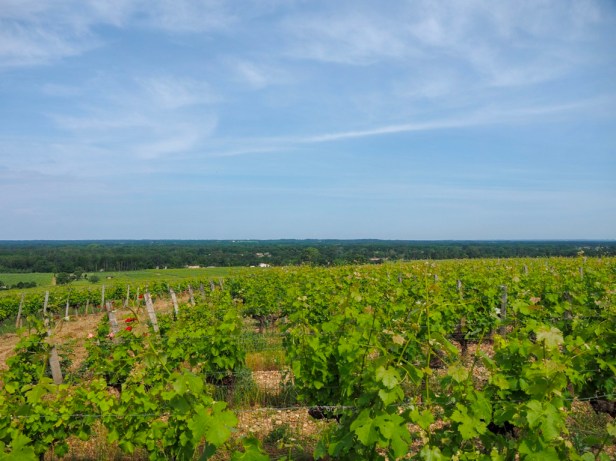
The election of the years’ Reine des Vins d’Alsace (the Alsace Wine Queen) also takes place at the event.
Cost: The event evolves costs for entering the fairground (around EUR 5 to 8 depending on the time of arrival on the day), separate costs for special premium tastings / food and wine pairing which can range from EUR 15 to 75, and separate higher costs for the music festival.
La Fête du Cognac, Cognac, France
You can certainly debate if a festival dedicated to cognac should qualify as wine event, though cognac is made from a base of fermented white grape wine. While the final product is not a wine, the region where it originates is a prestigious winegrowing area.
Located in the southwest of France within the Charente and Charente-Maritime departments near the town of Cognac, this under-the-radar wine region is well worth a trip, and the fête du cognac held annually during the later part of July featuring cognac tastings and cocktails with local food and music very much resembles a wine festival.
The festival is known for its large, communal dining tables, allowing visitors to share a meal with friends, family, and even strangers. Food stalls will serve typical local delicacies, including oysters, mussels, Charentais melons, and local cheeses.
Cost: Entry fee to the festival is around EUR 25; food and drinks are not included in the fee and must be purchased via the cashless bracelet.
Mainzer Winemarket, Mainz, Germany
The capital city of Germany’s Rheinland Pfalz is one of the country’s hidden gems. The old town, with half-timbered houses and medieval market squares, a Romanesque Cathedral, built of deep red sandstone and the Gutenberg Museum honouring the inventor of the printing press are just few of its attractions.
The city is also the gateway to the nearby Rheinhessen wine regions which basically starts at its doorstep. Thus, it is an acknowledged Great Wine Capital city.
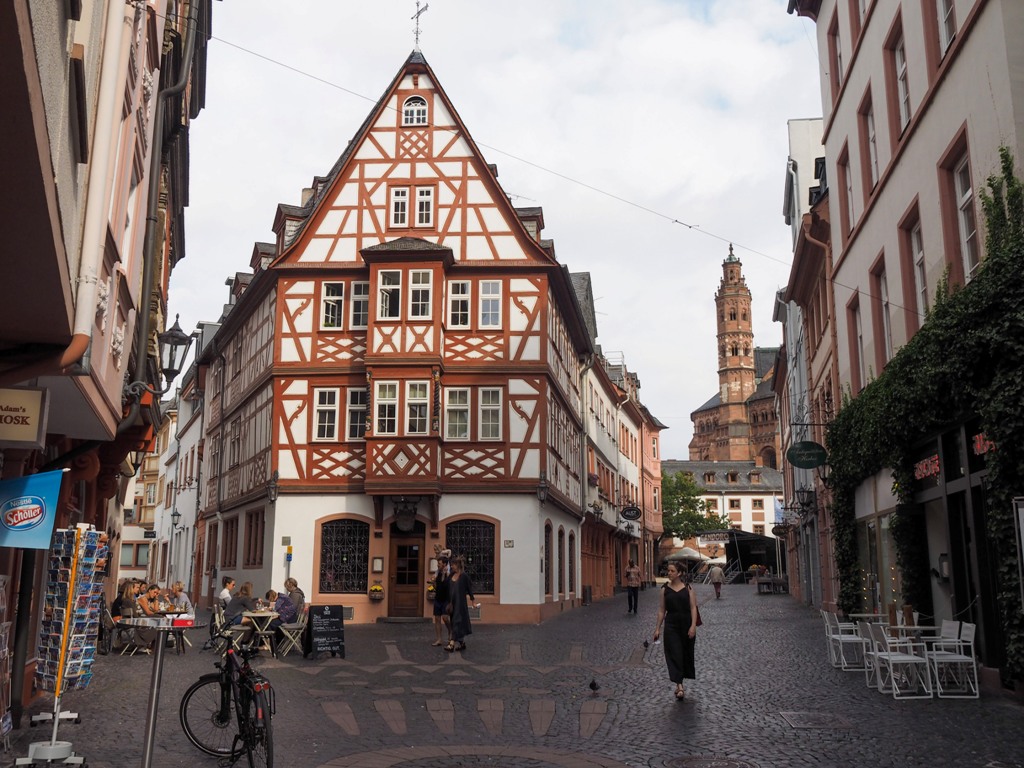
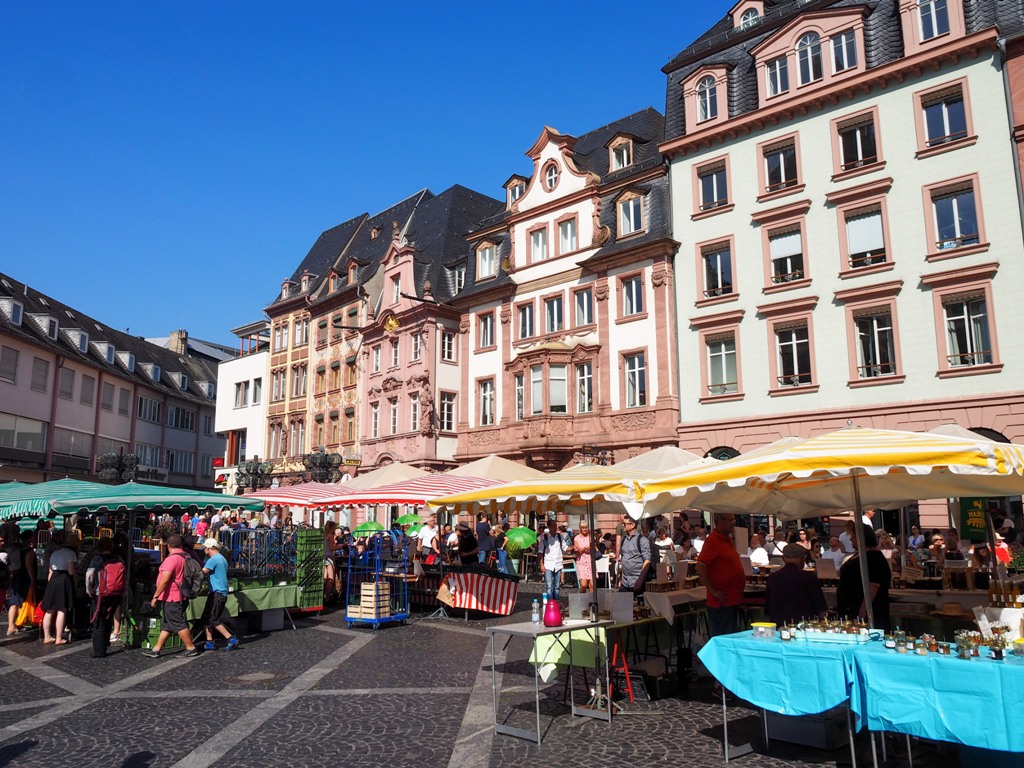
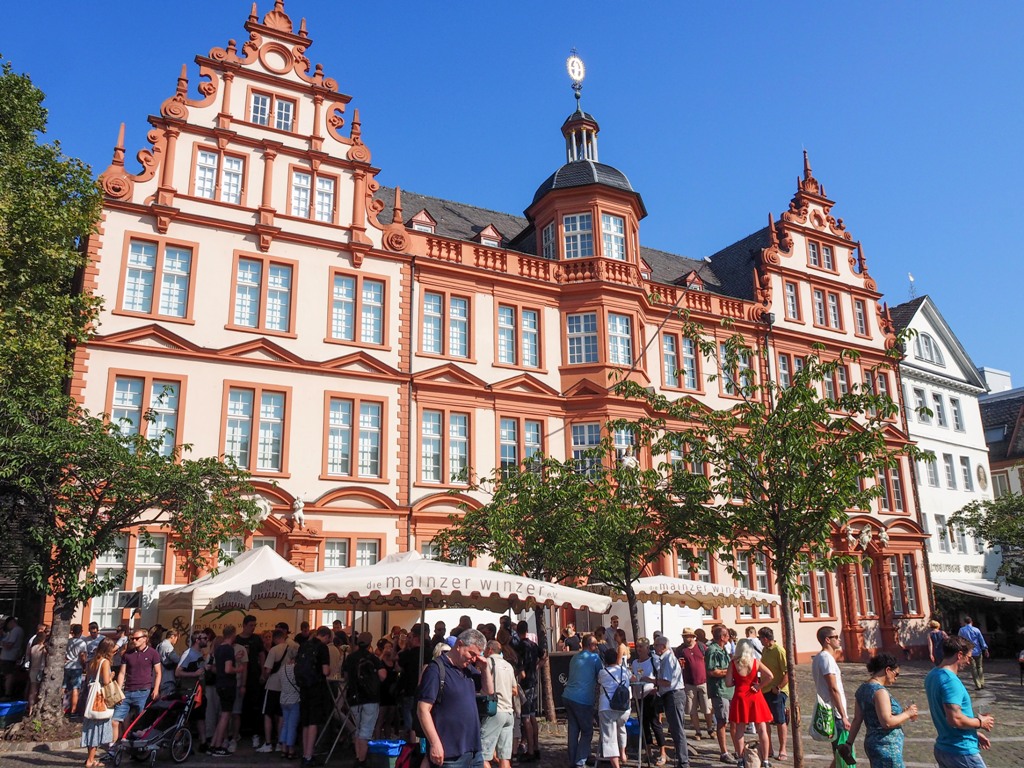
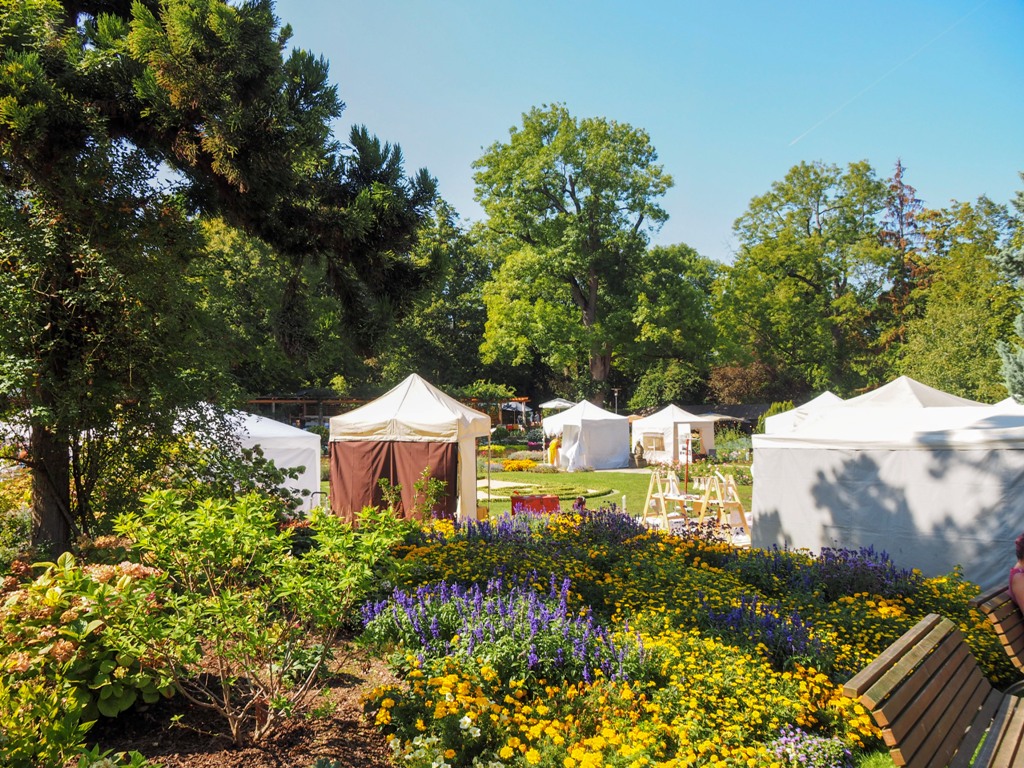
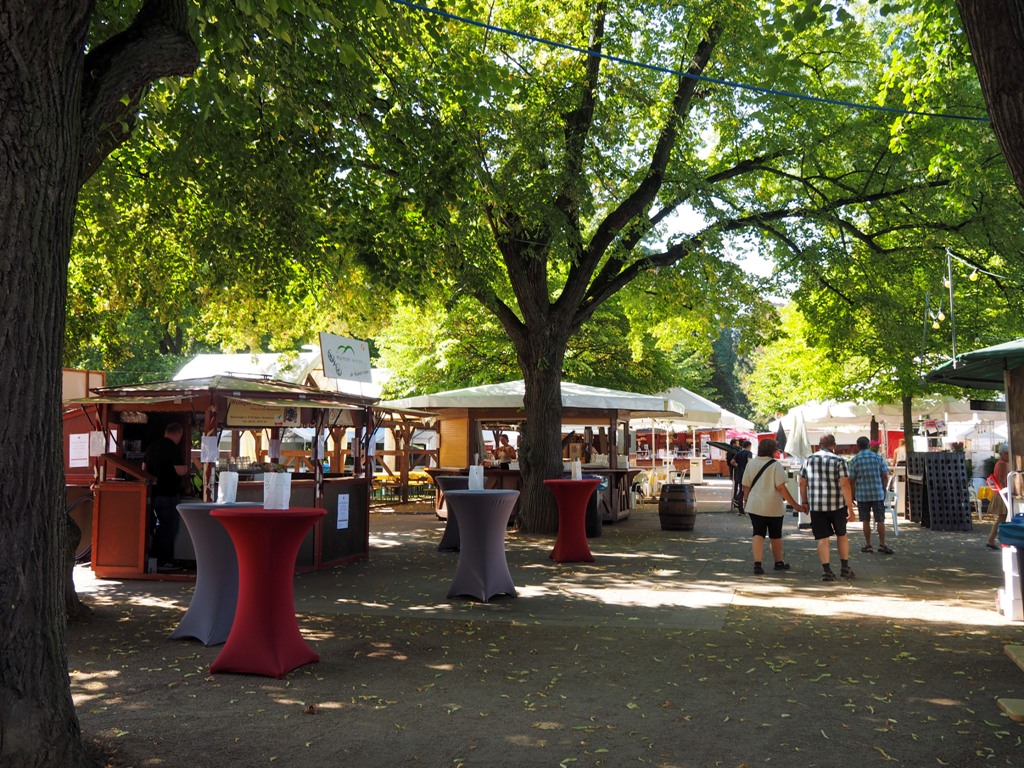
Held annually in late August / early September over two weekends, the large city park will transform in a veritable ‘wine village’ featuring over 100 winemakers from the Rheinhessen area along with a large food offering.
Cost: Access to the park is free, the wine and food offer is subject to typical gastronomic pricing.
Madeira Wine Festival, Portugal
With two weeks of events, this is one of the longer wine festivals in Europe. Held annually from late August to mid-September, the event marks the start of the local harvest season. It takes place in the island’s capital city, Funchal with events stretching over the city centre and the harbour area as well as some of the nearby wineries.
One of the highlights is the grape crushing event, where participants crush grapes by foot. Otherwise, there will be plenty of Madeira wine flowing along with local food and life music. In addition, some of the local wineries will offer dedicated tastings and cellar tours.
Cost: The street festival is free while dedicated wine tastings require a modest fee.
Saint Emilion Heritage Night, Bordeaux, France
Not strictly a wine festival, the event is usually taking place mid to end-September to align with UNESCO’s European Heritage Days.
There will be torchlight processions by the Jurade wine brotherhood with participants dressed in red robes with white capes, the Lumières sur la Tour pyrotechnic show and special access to historic monuments around the village. Which makes this event a true cultural event well beyond wine. Though off course, there will be plenty of opportunities to taste local wines at the local restaurants.
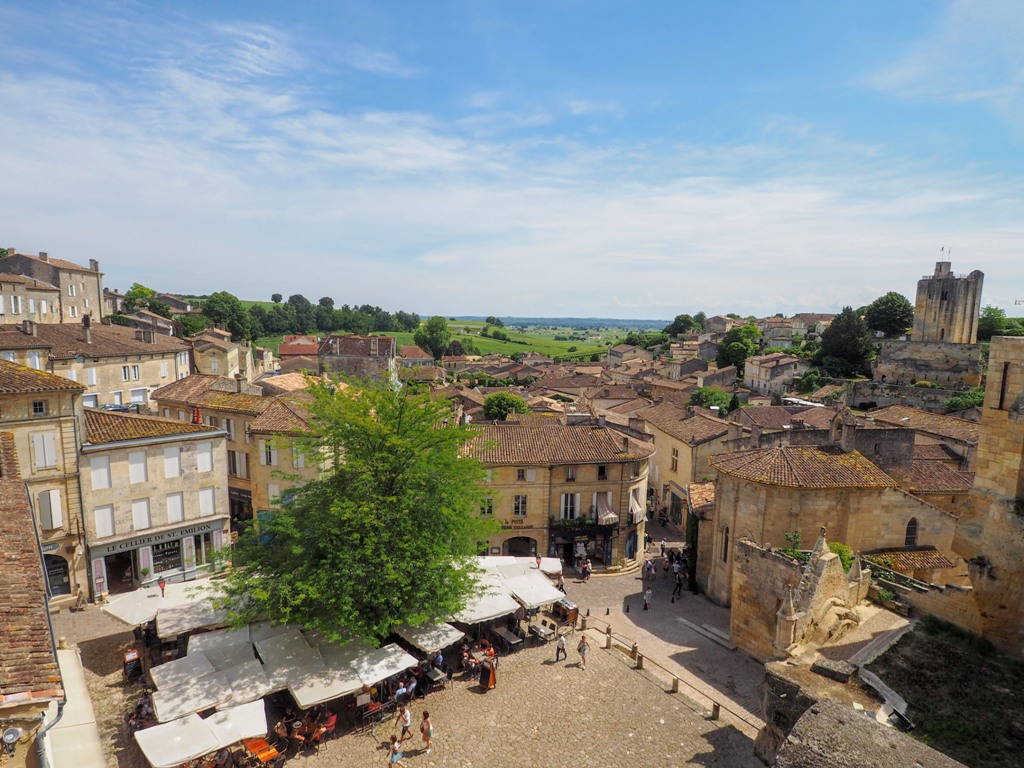
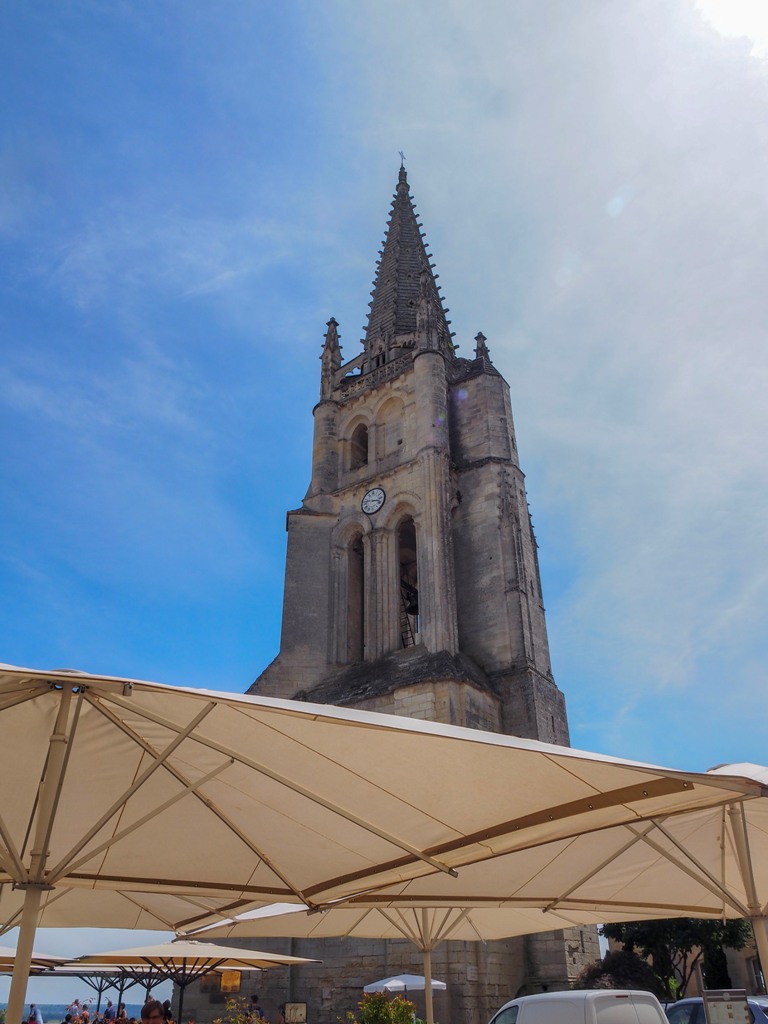
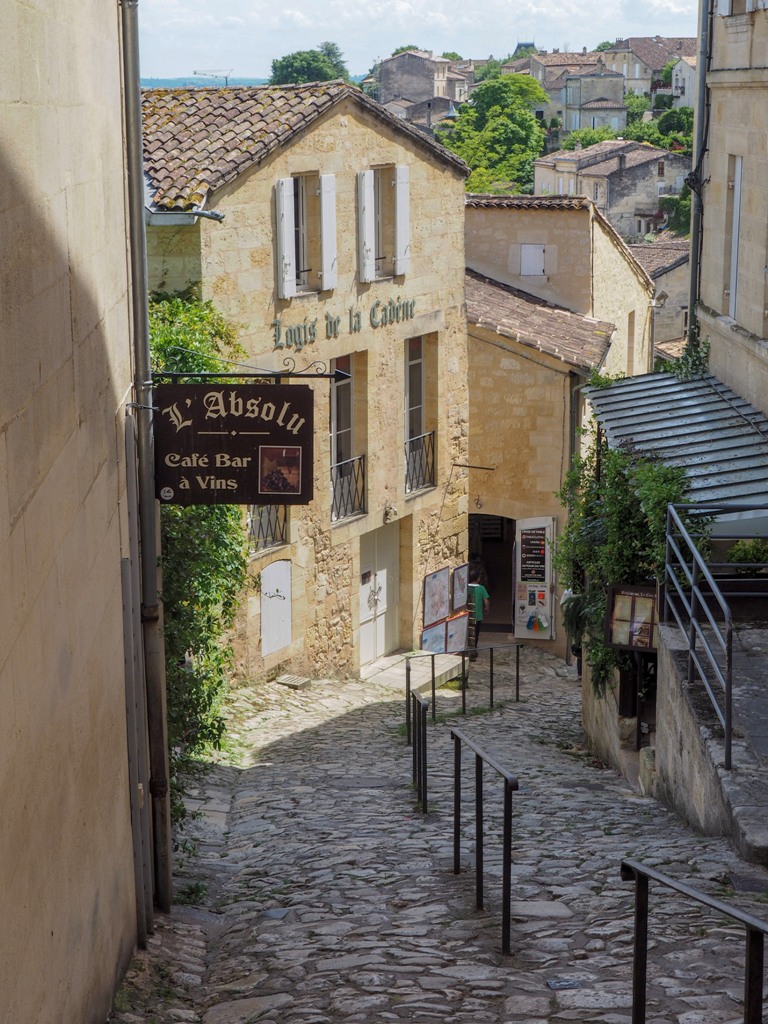
Plus, one of the event highlights is the proclamation of the year’s harvest start date which occurs from the tower of the church.
Cost: Guided tours of the town’s monuments typically range from EUR 5 to 20. There will be no free tastings, so additional costs include regular restaurant fees.
Wurstmarkt, Bad Dürkheim, Germany
Literally translating to sausage market, this annual event is said to be the world’s largest wine festival and also one of the oldest, going back over 600 years.
Hold annually over two long weekends from early to mid-September, the small town in Germany’s Palatinate wine region will turn into a fairground of events from live music to parades, fireworks, and market stalls offering local culinary specialities.
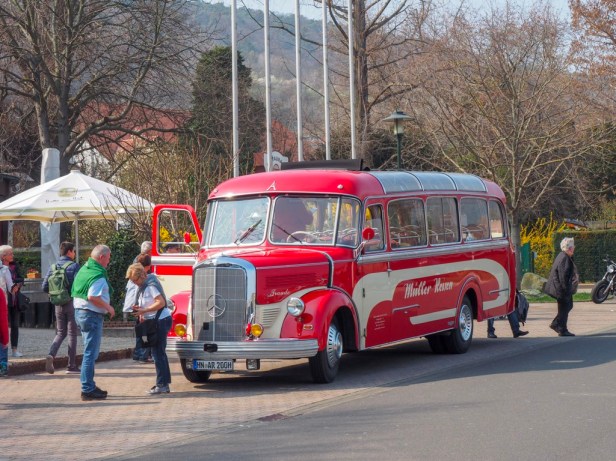
The main attraction will be the more than 300 still and sparkling wines from the Palatinate wine region on offer in the wine village.
Cost: Entrance to the festival is free, food and drinks will be offered at typical local retail prices.
Merano Wine Festival, South Tyrol, Italy
Winemaking in the Alto Adige (South Tyrol) region has a long history, going back over 2,500 years to the pre-Roman Rhaetian tribe. While this makes it one of the oldest winemaking regions in German-speaking Europe, it was only since the late 1980s that the region started to shift away from bulk-quantity, low-quality wines to focus on quality and sustainability.
Held annually in early November, the Merano Wine Festival features over 700 carefully selected, by-invitation only, exhibitors. Focus of the event is on quality wines, with dedicated sections for natural and organic wines, including national and international names.
Beyond wine, there is a huge gastronomic programme with renowned chefs and elaborate artisans will create a range of outstanding culinary experiences.
The festival takes place in the Merano Kurhaus and along the beautiful promenade lining the Adige River.
Cost: Day tickets offering access to a large range of special tastings and events usually range around EUR 100 to 150, while special events including wine pairing dinners will cost more.
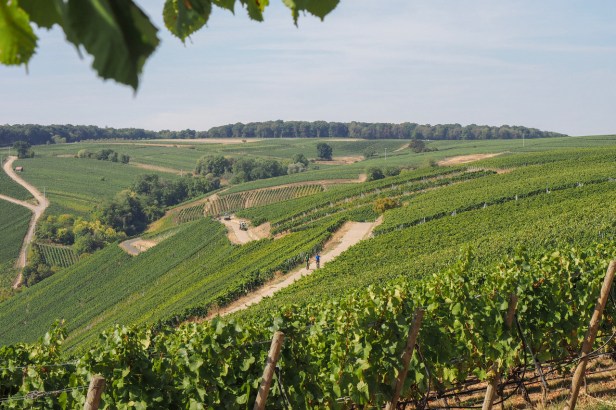
The list of Europe’s wine festivals worth a visit is certainly much longer, with events taking place across all European winegrowing areas and many larger cities. However, if you are just getting started or simply looking for new inspiration, these 12 festivals clearly deserve to be on your next wine-themed itinerary.
 Carrots and Tigers